3 days ago
Articles, Blood Glucose Control, Blood Glucose Control, Cardiology, Nephrology, Safety, SGLT-2 Therapy Center, Type 1 Diabetes, Type 1 Diabetes
1,375 views
SGLT inhibitors have changed the treatment landscape for cardiovascular and kidney disease, particularly in people with type 2 diabetes, heart failure, and chronic kidney disease. That success raises an obvious question: why are SGLT inhibitors in type 1 diabetes still largely outside routine clinical practice? The answer is not a …
Read More »
3 weeks ago
Articles, Blood Glucose Control, Blood Glucose Control, Devices, Diabetes, Prevention, Safety, Type 1 Diabetes, Type 1 Diabetes
2,019 views
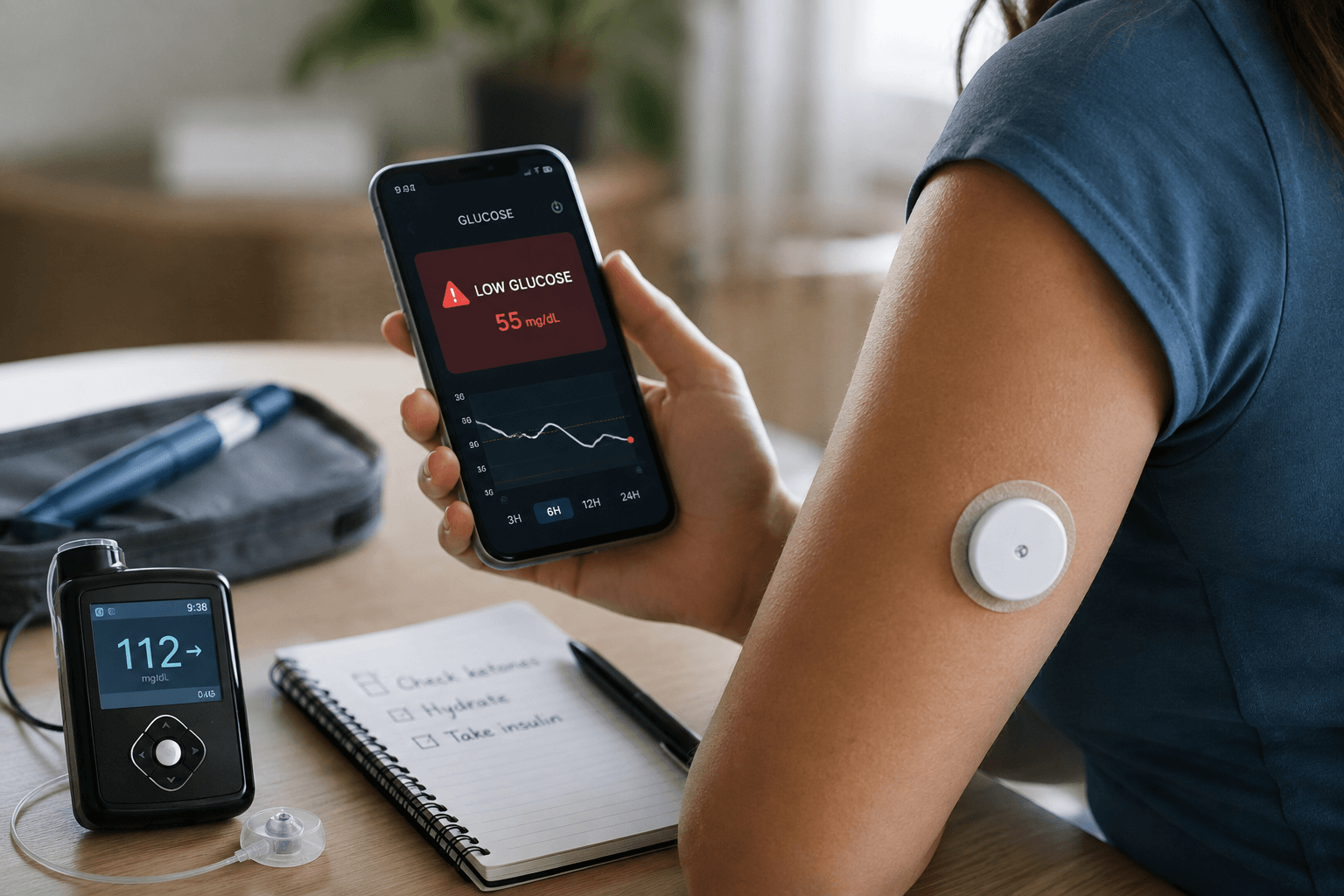
Continuous glucose monitoring has changed how clinicians and people with diabetes think about glucose control. Yet the next question is more important than whether CGM improves A1C or Time in Range. Can it prevent events that send patients to the emergency department or hospital? Growing evidence suggests that CGM may …
Read More »
4 weeks ago
Articles, Blood Glucose Control, Blood Glucose Control, Diabetes, Physician oriented, SGLT-2 Therapy Center
561 views
For people with diabetes, an unexpected glucose spike may have a less obvious cause than food or missed medication. Dehydration and high blood sugar can create a self-reinforcing cycle. When the body loses too much fluid, glucose becomes more concentrated in the bloodstream. At the same time, rising glucose can …
Read More »
Aug 18, 2026
Articles, Blood Glucose Control, Blood Glucose Control, Diabetes, Safety, SGLT-2 Therapy Center
4,283 views
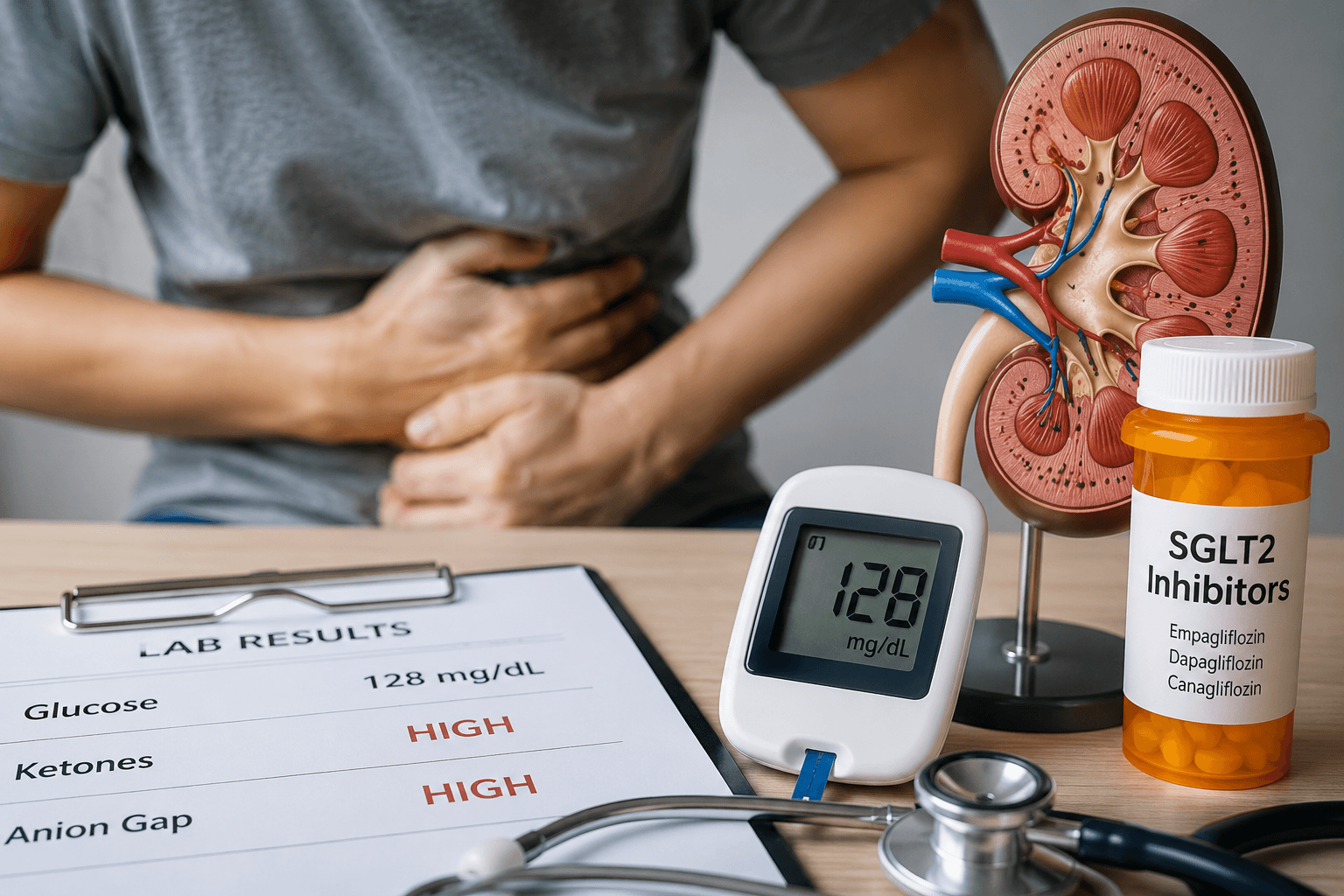
Euglycemic diabetic ketoacidosis can challenge one of the most familiar clinical shortcuts in diabetes care: DKA should come with markedly elevated glucose. In patients taking sodium-glucose cotransporter 2 (SGLT2) inhibitors, however, dangerous ketoacidosis may develop while glucose remains normal or only modestly elevated. As a result, euglycemic DKA in patients …
Read More »
Jun 15, 2026
Articles, Blood Glucose Control, Blood Glucose Control, Diabetes, Oncology, Therapies
1,596 views
As cancer treatment becomes increasingly sophisticated, clinicians are encountering a growing metabolic challenge. Cancer therapy–induced hyperglycemia has emerged as an important concern with the expanding use of immunotherapies and targeted therapies. In some patients, hyperglycemia develops gradually. In others, particularly those receiving immune checkpoint inhibitors, severe diabetes and diabetic ketoacidosis …
Read More »
Jun 12, 2026
Articles, Blood Glucose Control, Blood Glucose Control, Diabetes, Insulin Therapy Center, Type 1 Diabetes, Type 1 Diabetes, Type 2 Diabetes, Type 2 Diabetes
3,167 views
For many people living with diabetes, insulin is more than a medication—it is a lifeline. Yet despite its critical role, some patients stop taking insulin without informing their healthcare provider. The reasons vary widely and may include medication costs, treatment fatigue, fear of side effects, weight gain concerns, or misunderstandings …
Read More »
Jun 5, 2026
Articles, Blood Glucose Control, Blood Glucose Control, Diabetes, Diet and Nutrition, Safety, Type 1 Diabetes, Type 1 Diabetes, Type 2 Diabetes, Type 2 Diabetes
4,648 views
Patients with diabetes are increasingly exploring fasting for religious, cultural, and metabolic health reasons. From Ramadan observance to intermittent fasting trends, many individuals choose to abstain from food and fluids for extended periods despite potential risks. For clinicians, this creates an important challenge. Simply advising patients not to fast often …
Read More »
Jun 3, 2026
Articles, Blood Glucose Control, Blood Glucose Control, Diabetes, Mental Health, Type 1 Diabetes, Type 1 Diabetes
6,368 views
Patients with type 1 diabetes already face the daily burden of balancing insulin, food intake, exercise, and glucose monitoring. However, for some individuals, insulin becomes more than a treatment tool. It becomes a method for weight control. This dangerous behavior, commonly referred to as diabulimia, involves the intentional restriction or …
Read More »
May 18, 2026
Articles, Blood Glucose Control, Blood Glucose Control, Devices, Diabetes, Type 1 Diabetes, Type 1 Diabetes, Type 2 Diabetes, Type 2 Diabetes
1,242 views
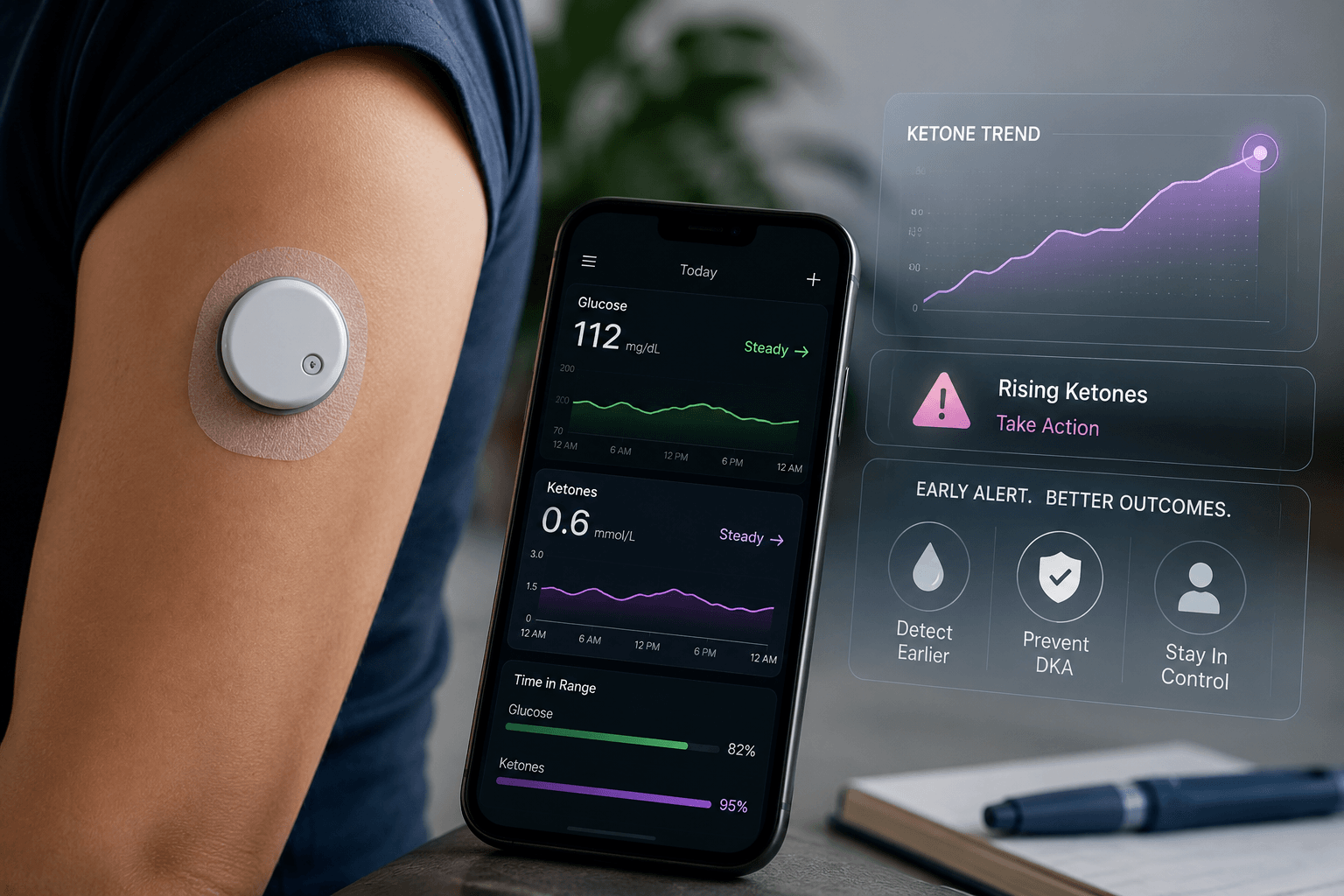
New advances in diabetes technology are moving beyond glucose alone. While continuous glucose monitoring transformed diabetes management over the last decade, wearable ketone monitoring systems are now emerging as the next major innovation. Researchers, device manufacturers, and international diabetes organizations are increasingly focused on whether real-time ketone data can help …
Read More »
Apr 28, 2026
Articles, Blood Glucose Control, Blood Glucose Control, Devices, Diabetes
1,914 views
Diabetic ketoacidosis remains one of the most serious complications of diabetes, yet managing it often relies on intermittent data points. What if clinicians could see ketone levels change in real time instead of waiting hours between lab tests? Continuous ketone monitoring for DKA is now emerging as a promising concept …
Read More »
 Diabetes In Control. A free weekly diabetes newsletter for Medical Professionals. News and information for Medical Professionals.