Jul 23, 2026
Articles, Blood Glucose Control, Blood Glucose Control, Diabetes, Pediatrics, Prevention, Type 1 Diabetes, Type 1 Diabetes
2,024 views
The transition from pediatric to adult diabetes care is one of the most challenging periods in the lives of young people with diabetes. While many adolescents successfully manage their condition with the support of pediatric diabetes teams, moving into adult healthcare often coincides with worsening blood glucose control, missed appointments, …
Read More »
Jul 21, 2026
Articles, Blood Glucose Control, Blood Glucose Control, Type 1 Diabetes, Type 1 Diabetes
1,181 views
Receiving a diagnosis of type 1 diabetes can feel overwhelming. Yet for many adults, the weeks or months that follow bring an unexpected twist. Blood glucose levels often become easier to control, insulin needs decrease, and some people wonder if their diabetes is actually improving. This temporary period is known …
Read More »
Jul 1, 2026
Articles, Blood Glucose Control, Blood Glucose Control, Diabetes, Diet and Nutrition, Type 2 Diabetes, Type 2 Diabetes
1,308 views
For decades, diabetes management has focused on what patients eat and how much they consume. However, emerging research suggests another factor deserves attention: when they eat. The growing field of chrono-nutrition research in diabetes explores how meal timing interacts with the body’s internal clock to influence glucose metabolism, insulin sensitivity, …
Read More »
Jun 22, 2026
Articles, Diabetes, Mental Health, Type 2 Diabetes, Type 2 Diabetes
1,509 views
When most people think about diabetes risk factors, they picture blood sugar levels, diet, exercise habits, or genetics. However, researchers and clinicians are increasingly focusing on another factor that may have a profound impact on health outcomes: loneliness. The connection between loneliness and diabetes is gaining attention as evidence continues …
Read More »
Jun 19, 2026
Articles, Blood Glucose Control, Blood Glucose Control, Devices, Diabetes, Type 1 Diabetes, Type 1 Diabetes, Type 2 Diabetes, Type 2 Diabetes
1,042 views
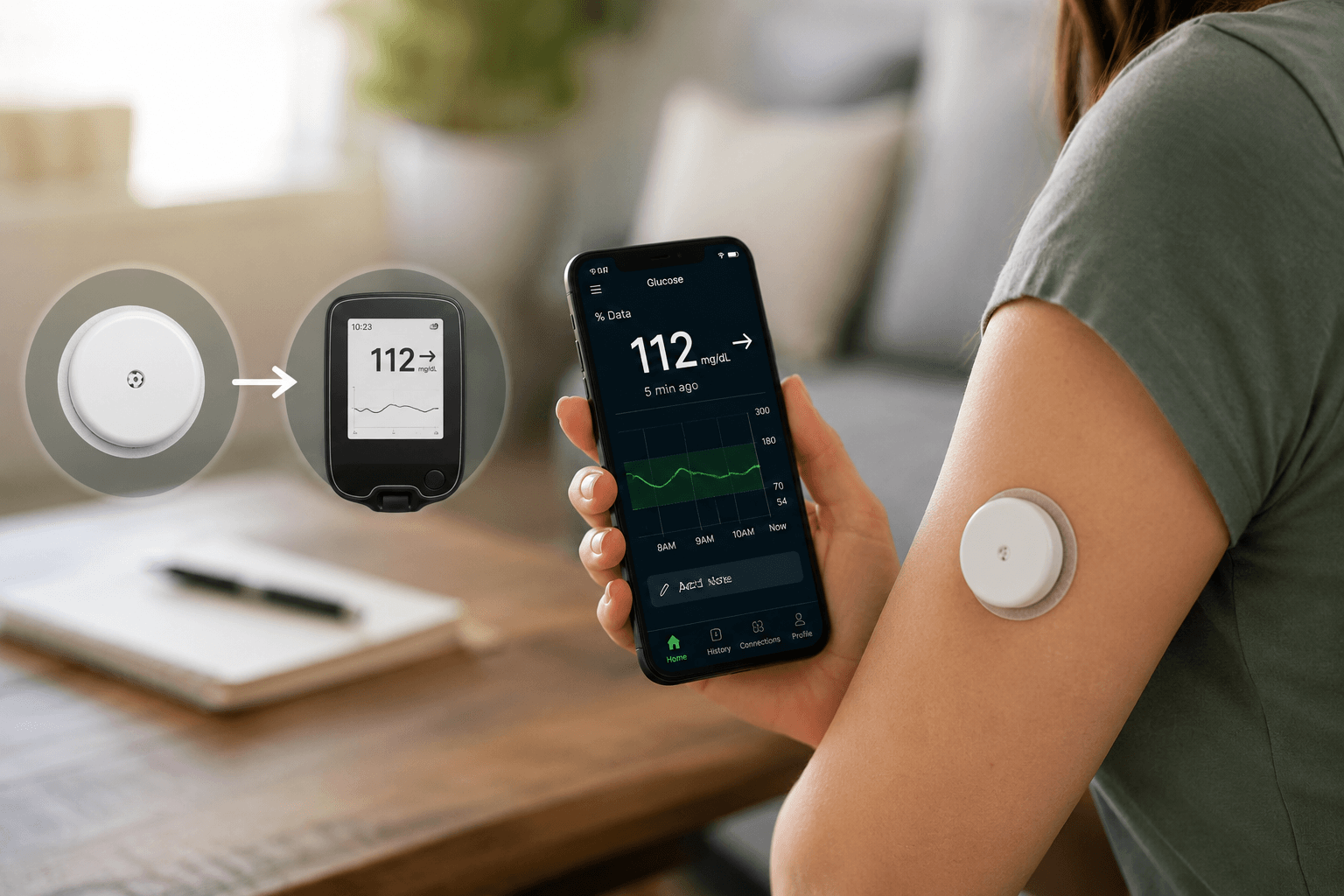
As diabetes technology continues to evolve, clinicians are increasingly faced with an important question: should patients still be using flash continuous glucose monitoring (CGM), or is it time to switch to real-time CGM? While flash CGM systems have significantly improved glucose monitoring and patient engagement over traditional fingerstick testing, real-time …
Read More »
Jun 12, 2026
Articles, Blood Glucose Control, Blood Glucose Control, Diabetes, Insulin Therapy Center, Type 1 Diabetes, Type 1 Diabetes, Type 2 Diabetes, Type 2 Diabetes
3,167 views
For many people living with diabetes, insulin is more than a medication—it is a lifeline. Yet despite its critical role, some patients stop taking insulin without informing their healthcare provider. The reasons vary widely and may include medication costs, treatment fatigue, fear of side effects, weight gain concerns, or misunderstandings …
Read More »
Jun 4, 2026
Articles, Blood Glucose Control, Blood Glucose Control, Diabetes, Insulin Therapy Center, Type 2 Diabetes
15,746 views
Patients treated with corticosteroids for asthma, COPD exacerbations, rheumatologic disease, inflammatory bowel disease, or cancer-related complications often develop significant elevations in blood glucose. In many cases, these patients have no prior history of diabetes. Yet within days of therapy initiation, blood glucose levels can rise dramatically, creating a challenging clinical …
Read More »
Jun 3, 2026
Articles, Blood Glucose Control, Blood Glucose Control, Diabetes, Mental Health, Type 1 Diabetes, Type 1 Diabetes
6,368 views
Patients with type 1 diabetes already face the daily burden of balancing insulin, food intake, exercise, and glucose monitoring. However, for some individuals, insulin becomes more than a treatment tool. It becomes a method for weight control. This dangerous behavior, commonly referred to as diabulimia, involves the intentional restriction or …
Read More »
May 4, 2026
Articles, Blood Glucose Control, Blood Glucose Control, Diabetes, Therapies, Type 2 Diabetes, Type 2 Diabetes
2,209 views
Why do so many patients begin treatment with good intentions, only to fall off track later? Staying consistent with diabetes treatment continues to challenge both patients and clinicians despite medical advances. While new therapies offer better control, long-term success still depends on consistency. However, many patients struggle to maintain routines, …
Read More »
Feb 16, 2026
Articles, Diabetes, Obesity, Obesity
2,630 views
Patients taking GLP-1 receptor agonists often describe a surprising change: the “volume” of food thoughts seems to turn down. This experience, often described as a reduction in food noise with GLP-1 therapy, reflects measurable neuroendocrine shifts in appetite regulation and reward signaling. For clinicians, understanding and explaining this phenomenon is …
Read More »
 Diabetes In Control. A free weekly diabetes newsletter for Medical Professionals. News and information for Medical Professionals.