Home / Tag Archives: diabetes education (page 2)

Tag Archives: diabetes education

Diabetes Treatment Persistence: Why Patients Stop Therapy and What Clinicians Can Do
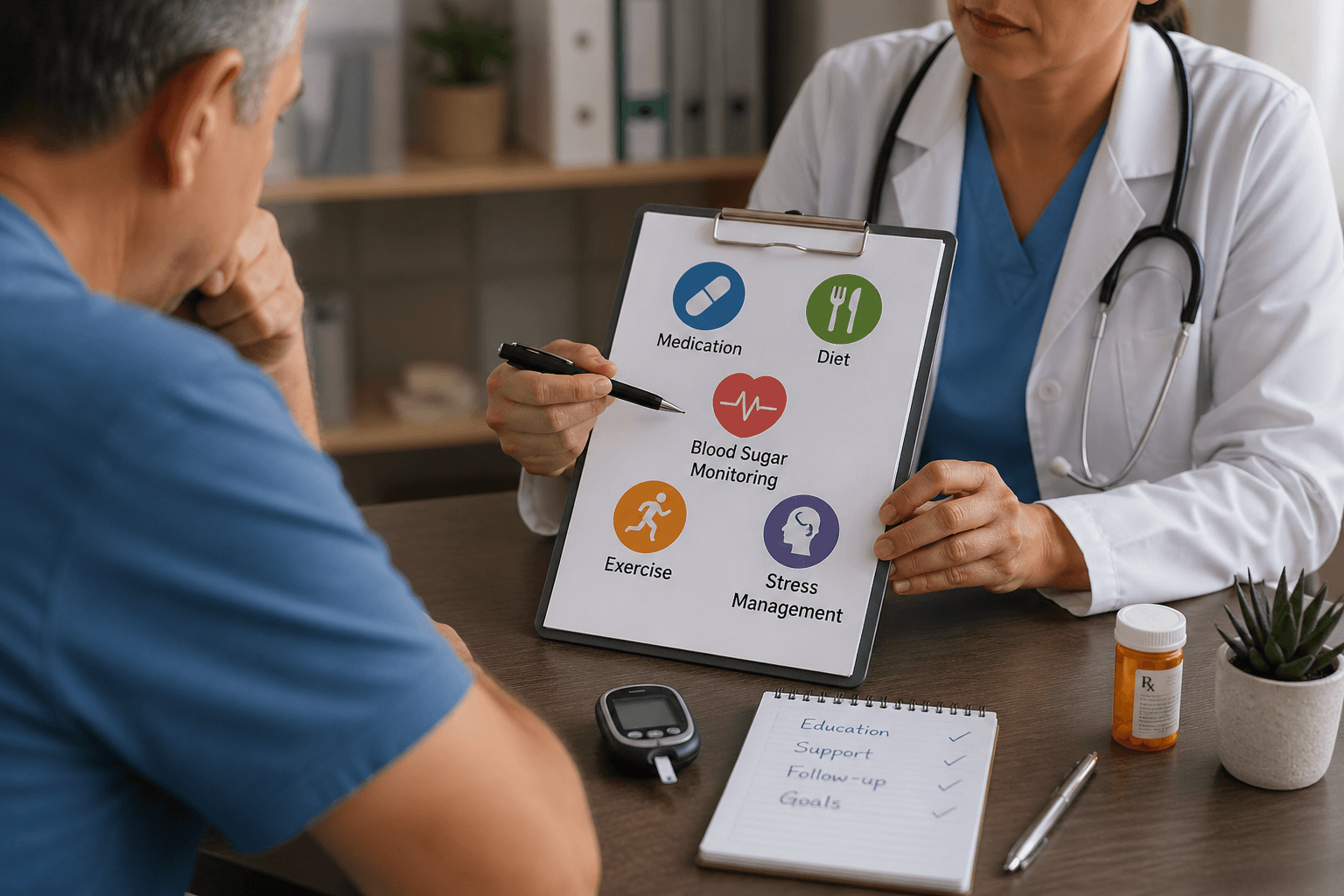
Doctor discussing diabetes treatment plan and adherence strategies with a patient during a clinical consultation

Why do so many patients begin treatment with good intentions, only to fall off track later? Staying consistent with diabetes treatment continues to challenge both patients and clinicians despite medical advances. While new therapies offer better control, long-term success still depends on consistency. However, many patients struggle to maintain routines, …

Read More »

GLP-1s and Food Noise: Helping Patients Understand Hunger, Cravings, and Control

Woman calmly eating a healthy meal while unhealthy foods fade around her, illustrating reduced GLP-1 food noise and improved appetite control.

Patients taking GLP-1 receptor agonists often describe a surprising change: the “volume” of food thoughts seems to turn down. This experience, often described as a reduction in food noise with GLP-1 therapy, reflects measurable neuroendocrine shifts in appetite regulation and reward signaling. For clinicians, understanding and explaining this phenomenon is …

Read More »

Making Diabetes Care Culturally Responsive: Tools for Personalized Counseling and Education

A diverse group of patients engaging in a diabetes education session with a South Asian female doctor explaining glucose monitoring, surrounded by healthy foods and educational tools.

Diabetes doesn’t look the same for every patient—so why should the care plan? Culturally tailored diabetes care recognizes that one-size-fits-all approaches often fall short in reaching patients from different backgrounds. Whether it’s language, food traditions, or health beliefs, culture plays a critical role in diabetes self-management. This article explores how …

Read More »

CGM in Primary Care: Bridging the Endocrinology Gap

A smartphone displaying CGM glucose data surrounded by diabetes monitoring tools including a stethoscope, insulin pen, syringe, and CGM sensor on a clinic desk.

Could continuous glucose monitoring (CGM) soon become the norm in primary care? Once considered a specialty tool reserved for endocrinologists, CGM is now recommended far earlier in diabetes treatment — even for patients with type 2 diabetes on basal insulin alone. Despite these guideline shifts, primary care adoption has lagged. …

Read More »