Feb 27, 2026
AI-news, Articles, Devices, Diabetes, Ophthalmology
4,170 views
In 2026, diabetic retinopathy screening is entering a new era driven by artificial intelligence, tele-retinal imaging, and smarter integration into primary care workflows. Despite improved glucose monitoring and widespread use of CGM systems, diabetic retinopathy remains a leading cause of preventable blindness in adults with diabetes. So how can clinicians …
Read More »
Dec 11, 2025
Diabetes, Prevention, Type 2 Diabetes, Type 2 Diabetes, Wound Care
2,281 views
Why do people with diabetes face such frequent infections—and what can clinicians do to reduce the risk? With elevated blood glucose impairing immune function and circulation, patients with diabetes are more vulnerable to infections that can escalate quickly, from respiratory issues to stubborn foot ulcers. Understanding this connection is critical …
Read More »
Dec 11, 2025
Articles, Diabetes, Gastroenterology, Geriatric Medicine, Neurology, Oncology, Prevention, Type 2 Diabetes, Type 2 Diabetes
1,929 views
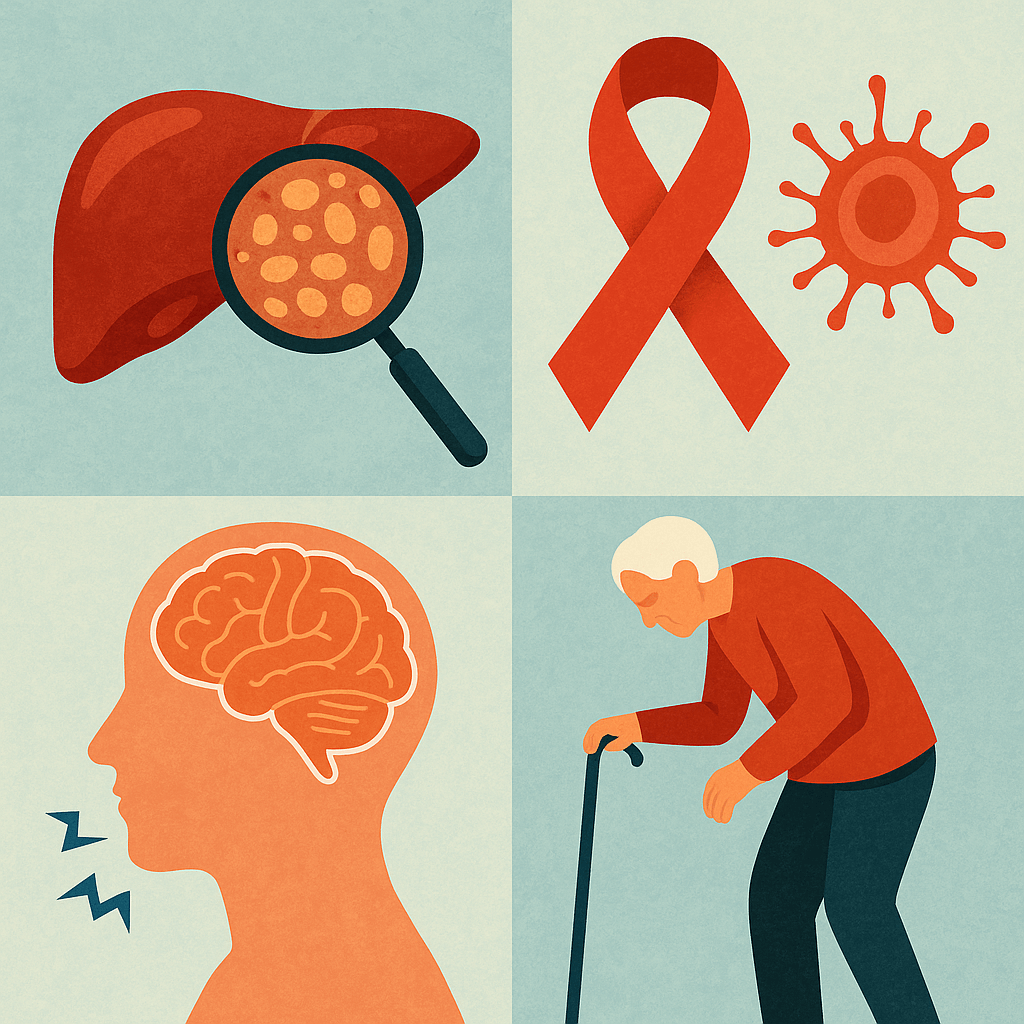
Early in training, many clinicians learn the classic “eye–kidney–foot” framework for recognizing and managing complications of diabetes. However, as science advances, the range of recognized consequences of diabetes—and opportunities for earlier intervention—continues to broaden. Today, the concept of diabetes complications screening must evolve to include conditions such as metabolic dysfunction–associated …
Read More »
Dec 4, 2025
Articles, Clinical Presentations, Diabetes, Physician oriented, Therapies, Type 2 Diabetes
1,509 views
In diabetes care, “therapeutic inertia” refers to the failure to escalate or modify treatment when a patient’s glucose control is suboptimal. Even now — when newer, more effective treatments and monitoring tools are widely available — therapeutic inertia in diabetes remains a stubborn barrier. Providers often wait too long before …
Read More »
Sep 21, 2023
Blog, Nephrology, Ophthalmology, Type 1 Diabetes, Type 2 Diabetes
6,095 views
Diabetes is a chronic condition affecting millions of people worldwide. One of the most serious complications of diabetes is microvascular disease, which can cause damage to the small blood vessels in the body and lead to a range of serious health problems. To help prevent and manage microvascular complications, it …
Read More »
 Diabetes In Control. A free weekly diabetes newsletter for Medical Professionals. News and information for Medical Professionals.