Mar 20, 2026
Blood Glucose Control, Blood Glucose Control, Diabetes, Type 2 Diabetes, Type 2 Diabetes
1,739 views
Early onset type 2 diabetes is no longer rare, and its rise among younger adults raises serious concerns. What happens when a chronic condition that typically appears later in life begins decades earlier? Much like starting a marathon with added weight, younger patients face a longer disease course and a …
Read More »
Mar 11, 2026
Articles, Diabetes, GLP- 1 Agonist Therapy Center, Nephrology, Type 2 Diabetes, Type 2 Diabetes
1,846 views
Chronic kidney disease (CKD) remains one of the most serious complications associated with diabetes, affecting millions of patients worldwide. While SGLT2 inhibitors have become foundational therapies for protecting kidney function, researchers are increasingly examining whether other drug classes may also slow renal decline. In particular, growing interest surrounds how GLP-1 …
Read More »
Mar 2, 2026
Articles, Diabetes, Neuropathy & Pain, Type 2 Diabetes, Type 2 Diabetes
2,734 views
Cardiovascular outcomes often dominate discussions about GLP-1 receptor agonists, but what about nerve health? Growing interest in GLP-1 diabetic neuropathy reflects a broader shift toward understanding microvascular complications beyond heart disease. While medications such as semaglutide (Ozempic), dulaglutide (Trulicity), and liraglutide (Victoza) have proven cardiovascular benefits, their potential influence on …
Read More »
Feb 27, 2026
AI-news, Articles, Devices, Diabetes, Ophthalmology
2,996 views
In 2026, diabetic retinopathy screening is entering a new era driven by artificial intelligence, tele-retinal imaging, and smarter integration into primary care workflows. Despite improved glucose monitoring and widespread use of CGM systems, diabetic retinopathy remains a leading cause of preventable blindness in adults with diabetes. So how can clinicians …
Read More »
Dec 11, 2025
Diabetes, Prevention, Type 2 Diabetes, Type 2 Diabetes, Wound Care
1,802 views
Why do people with diabetes face such frequent infections—and what can clinicians do to reduce the risk? With elevated blood glucose impairing immune function and circulation, patients with diabetes are more vulnerable to infections that can escalate quickly, from respiratory issues to stubborn foot ulcers. Understanding this connection is critical …
Read More »
Dec 11, 2025
Articles, Diabetes, Gastroenterology, Geriatric Medicine, Neurology, Oncology, Prevention, Type 2 Diabetes, Type 2 Diabetes
1,532 views
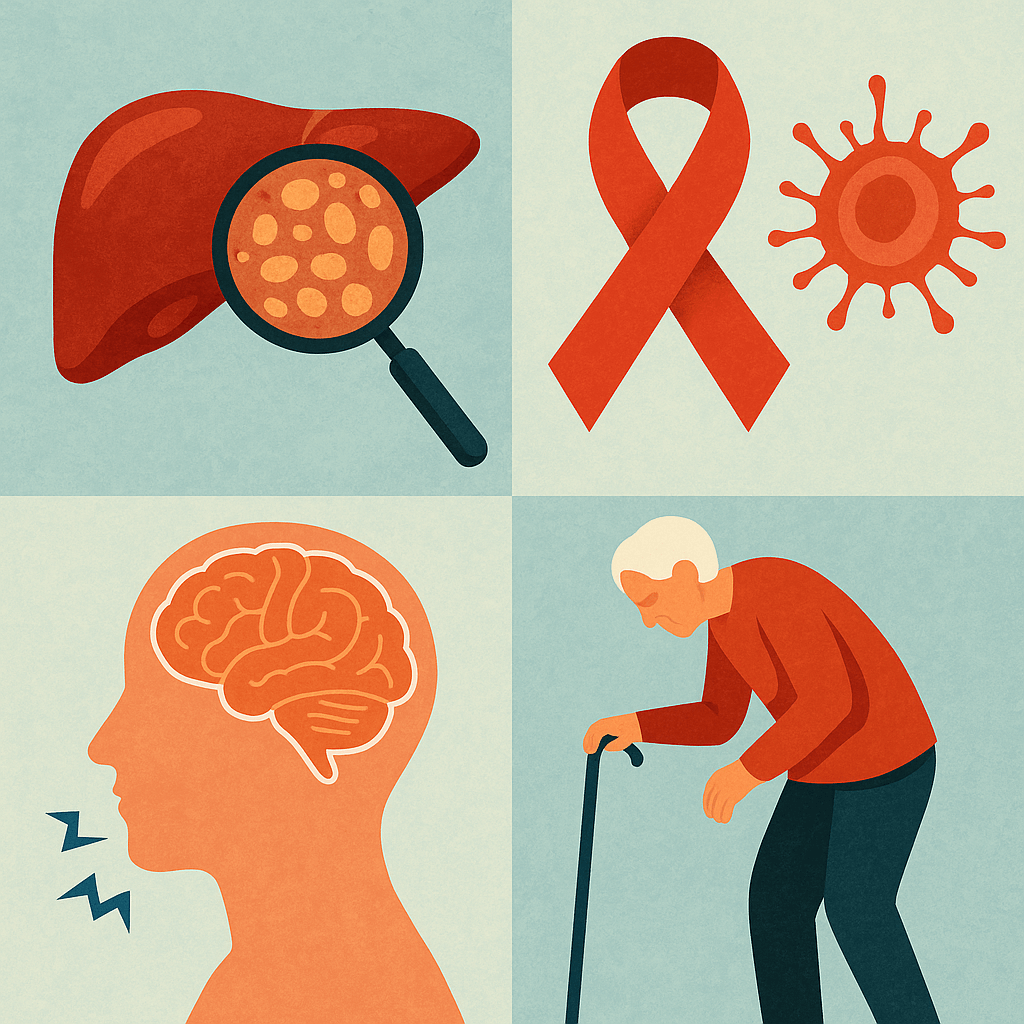
Early in training, many clinicians learn the classic “eye–kidney–foot” framework for recognizing and managing complications of diabetes. However, as science advances, the range of recognized consequences of diabetes—and opportunities for earlier intervention—continues to broaden. Today, the concept of diabetes complications screening must evolve to include conditions such as metabolic dysfunction–associated …
Read More »
Dec 4, 2025
Articles, Clinical Presentations, Diabetes, Physician oriented, Therapies, Type 2 Diabetes
1,114 views
In diabetes care, “therapeutic inertia” refers to the failure to escalate or modify treatment when a patient’s glucose control is suboptimal. Even now — when newer, more effective treatments and monitoring tools are widely available — therapeutic inertia in diabetes remains a stubborn barrier. Providers often wait too long before …
Read More »
Sep 21, 2023
Blog, Nephrology, Ophthalmology, Type 1 Diabetes, Type 2 Diabetes
5,573 views
Diabetes is a chronic condition affecting millions of people worldwide. One of the most serious complications of diabetes is microvascular disease, which can cause damage to the small blood vessels in the body and lead to a range of serious health problems. To help prevent and manage microvascular complications, it …
Read More »
 Diabetes In Control. A free weekly diabetes newsletter for Medical Professionals. News and information for Medical Professionals.