Jul 22, 2026
Articles, Cardiology, Diabetes, News, Therapies, Type 2 Diabetes, Type 2 Diabetes
772 views
For many people with diabetes, lowering LDL cholesterol is just as important as controlling blood sugar. However, not everyone reaches their cholesterol goals with statins alone, and injectable PCSK9 inhibitors can be inconvenient or intimidating. Now, a new option has arrived. The FDA has approved the first oral PCSK9 inhibitor, …
Read More »
Jul 14, 2026
Articles, Blood Glucose Control, Blood Glucose Control, Diabetes, Prediabetes, Type 2 Diabetes, Type 2 Diabetes
1,263 views
Diabetes often develops silently for years before blood sugar levels become high enough for a diagnosis. What if tiny biological packages circulating in the bloodstream could reveal those hidden changes long before symptoms appear? Researchers are increasingly studying how exosomes may serve as biomarkers for diabetes because these microscopic messengers …
Read More »
Jul 9, 2026
Articles, Blood Glucose Control, Blood Glucose Control, Diabetes, Type 1 Diabetes, Type 1 Diabetes, Type 2 Diabetes, Type 2 Diabetes
1,841 views
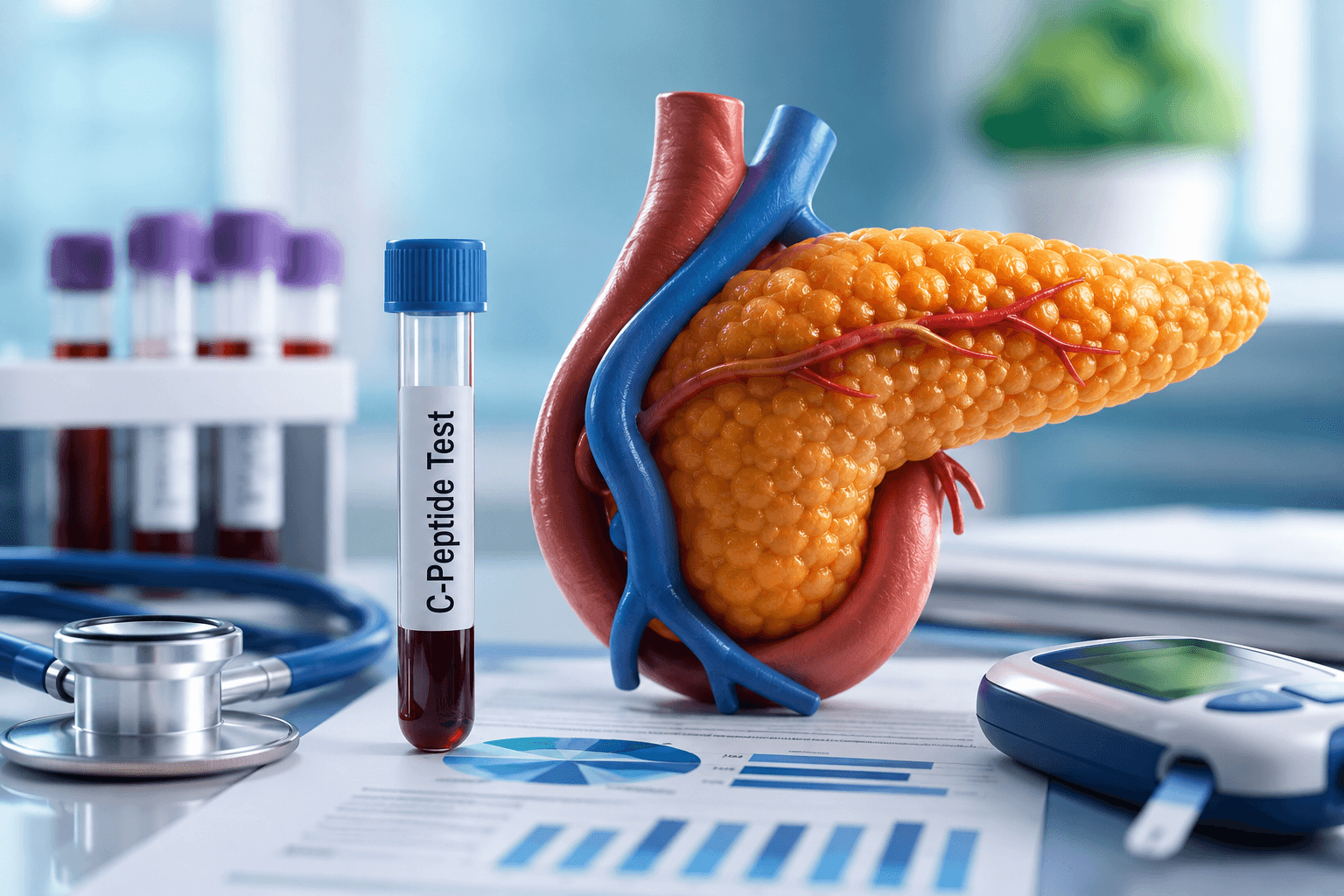
For many years, C-peptide testing was viewed as a simple tool to distinguish type 1 diabetes from type 2 diabetes. However, the story has changed. As researchers gain a better understanding of pancreatic beta-cell function, C-peptide testing in diabetes has become much more valuable than a diagnostic aid alone. Today, …
Read More »
Jul 9, 2026
Articles, Cardiology, Diabetes, Type 2 Diabetes, Type 2 Diabetes
1,147 views
Not long ago, diabetes management focused primarily on controlling blood glucose levels. Today, that approach has evolved dramatically as cardiologists and endocrinologists increasingly work together to reduce cardiovascular risk. Thanks to groundbreaking cardiovascular outcome trials (CVOTs), clinicians now understand that treating type 2 diabetes means protecting the heart, kidneys, and …
Read More »
Jun 23, 2026
Articles, Diabetes, Mental Health, Neurology, Type 2 Diabetes, Type 2 Diabetes
4,110 views
For decades, diabetes care has focused on preventing complications such as retinopathy, nephropathy, neuropathy, and cardiovascular disease. Yet another complication may be developing much earlier and often without obvious symptoms: diabetes-related cognitive decline. While memory loss and dementia have traditionally been viewed as concerns of older age, growing evidence suggests …
Read More »
Jun 22, 2026
Articles, Diabetes, Mental Health, Type 2 Diabetes, Type 2 Diabetes
1,511 views
When most people think about diabetes risk factors, they picture blood sugar levels, diet, exercise habits, or genetics. However, researchers and clinicians are increasingly focusing on another factor that may have a profound impact on health outcomes: loneliness. The connection between loneliness and diabetes is gaining attention as evidence continues …
Read More »
Jun 19, 2026
Articles, Conditions, Diabetes, Geriatric Medicine, Type 2 Diabetes, Type 2 Diabetes
3,199 views
For decades, scientists have known that people with type 2 diabetes face a higher risk of heart disease, kidney disease, cognitive decline, and other age-related conditions. However, emerging research suggests these complications may be linked to something even more fundamental: accelerated biological aging in diabetes. In other words, diabetes may …
Read More »
Jun 18, 2026
Articles, Blood Glucose Control, Blood Glucose Control, Diabetes, Type 2 Diabetes, Type 2 Diabetes
1,185 views
Blood pressure control remains one of the most powerful tools for reducing cardiovascular and kidney complications in people with diabetes. While clinicians have traditionally focused on achieving targets below 140/90 mmHg, recent evidence and the 2026 American Diabetes Association Standards of Care support a more intensive approach for selected high-risk …
Read More »
Jun 12, 2026
Articles, Blood Glucose Control, Blood Glucose Control, Diabetes, Insulin Therapy Center, Type 1 Diabetes, Type 1 Diabetes, Type 2 Diabetes, Type 2 Diabetes
3,170 views
For many people living with diabetes, insulin is more than a medication—it is a lifeline. Yet despite its critical role, some patients stop taking insulin without informing their healthcare provider. The reasons vary widely and may include medication costs, treatment fatigue, fear of side effects, weight gain concerns, or misunderstandings …
Read More »
Jun 11, 2026
Articles, Diabetes, Men's Health, Women's Health
2,203 views
Sexual health remains one of the most overlooked aspects of diabetes management, despite its significant impact on quality of life. While clinicians routinely discuss glycemic control, cardiovascular risk, and medication adherence, conversations about sexual function are often avoided by both patients and healthcare providers. Yet sexual health concerns related to …
Read More »
 Diabetes In Control. A free weekly diabetes newsletter for Medical Professionals. News and information for Medical Professionals.