Aug 5, 2026
Articles, Blood Glucose Control, Blood Glucose Control, Diabetes, Therapies, Type 2 Diabetes, Type 2 Diabetes
1,260 views
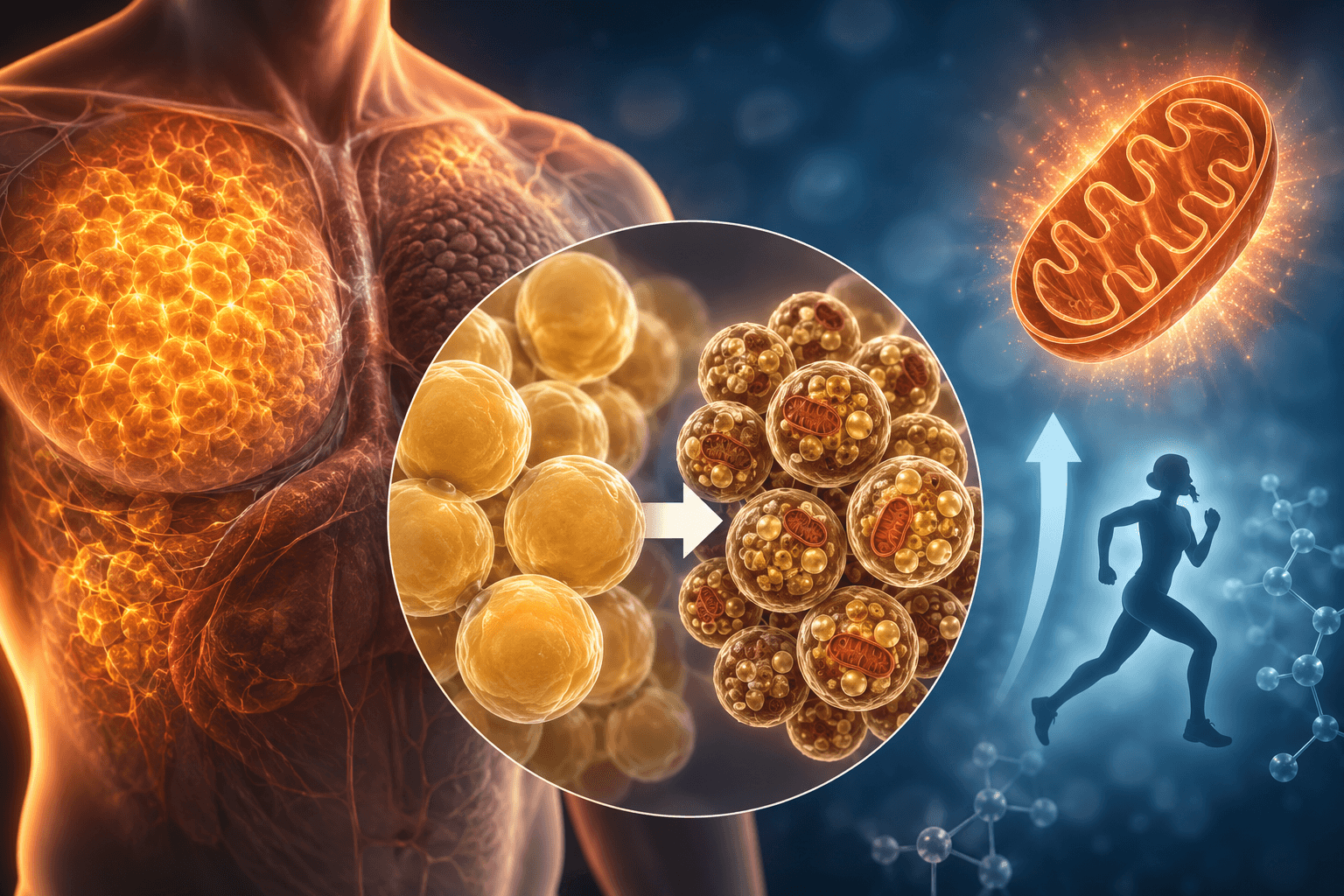
For decades, diabetes research has focused on protecting insulin-producing beta cells or replacing those that have been lost. However, scientists are now exploring a completely different strategy. Instead of repairing the pancreas, researchers are investigating whether the body’s own fat can become a powerful tool for improving glucose control. This …
Read More »
Aug 4, 2026
Articles, Blood Glucose Control, Blood Glucose Control, Diabetes, Prevention, Type 1 Diabetes, Type 1 Diabetes, Type 2 Diabetes, Type 2 Diabetes
2,352 views
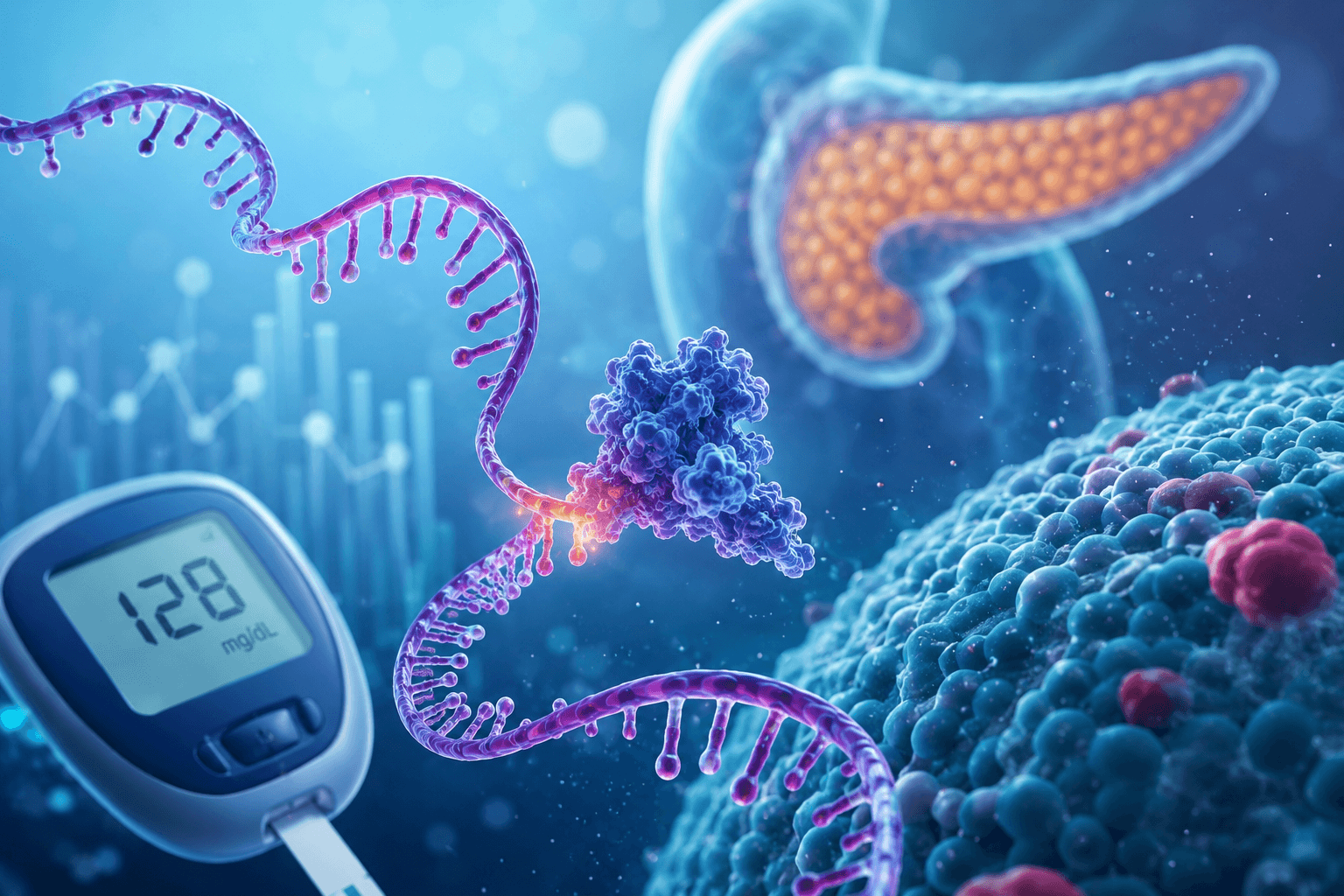
Diabetes research is moving beyond blood sugar measurements and insulin therapy into an exciting new frontier. One of the most promising areas involves microRNAs, tiny RNA molecules that quietly regulate hundreds of genes throughout the body. Although they are microscopic, their influence on insulin production, inflammation, and blood vessel health …
Read More »
Aug 4, 2026
Articles, Blood Glucose Control, Blood Glucose Control, Cardiology, Diabetes, Type 2 Diabetes, Type 2 Diabetes
1,171 views
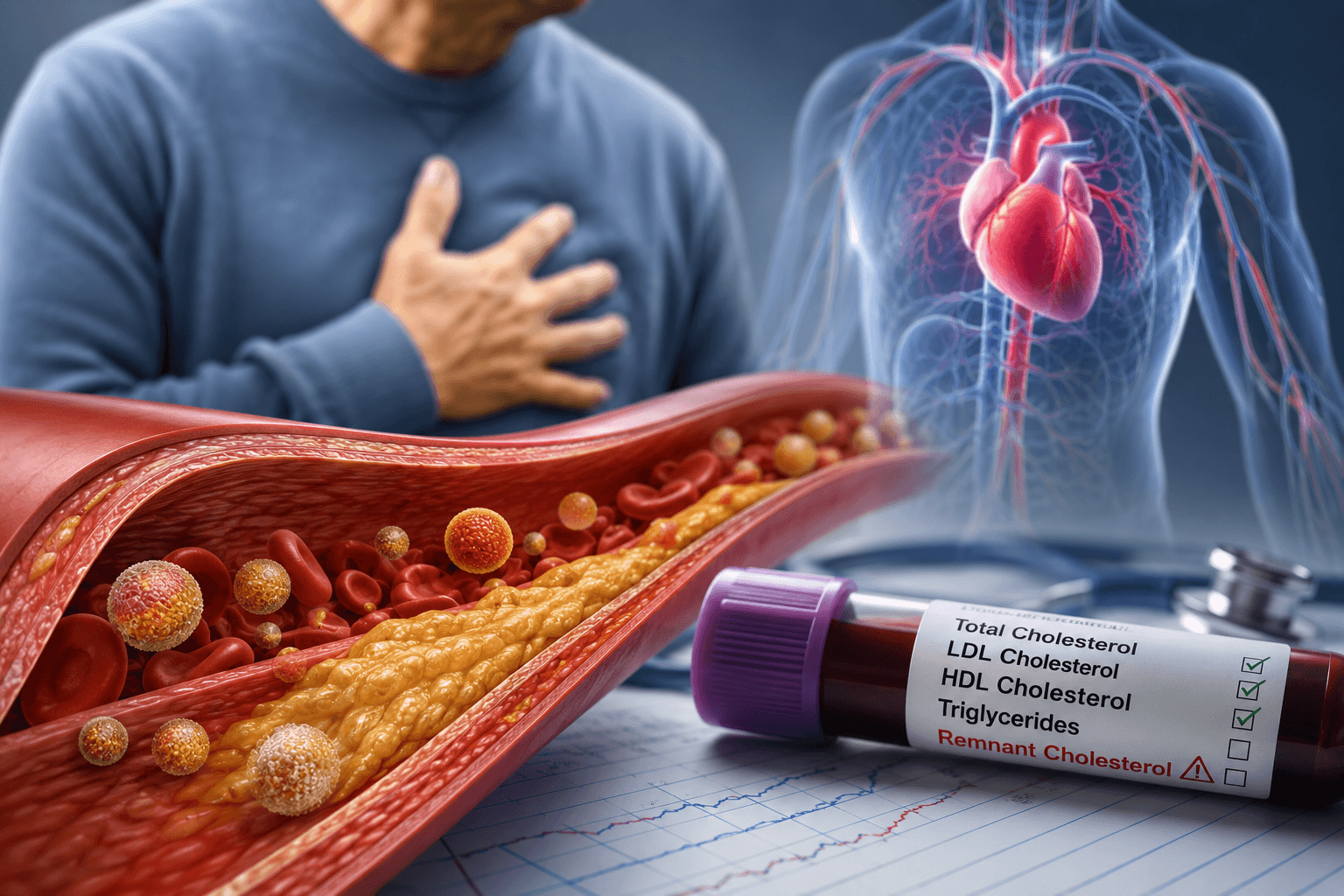
For years, lowering LDL cholesterol has been the cornerstone of preventing heart disease in people with diabetes. Statins and other cholesterol-lowering therapies have dramatically reduced cardiovascular events. Yet many patients continue to experience heart attacks, strokes, or other cardiovascular complications despite reaching recommended LDL cholesterol goals. Why does this happen? …
Read More »
Jul 31, 2026
Articles, Cardiology, Diabetes, Prevention
4,093 views
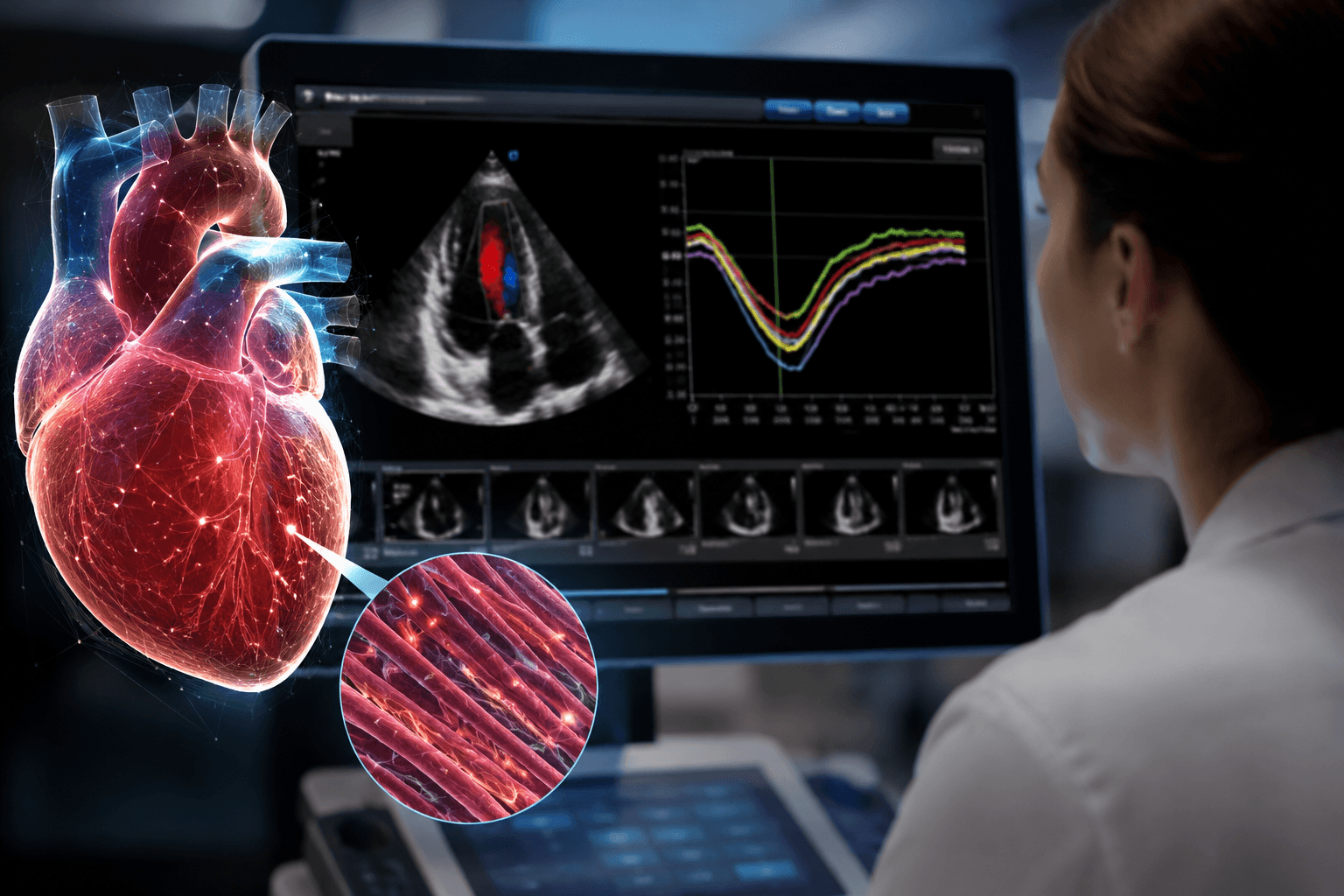
Heart disease remains the leading cause of illness and death among people with diabetes. However, one of the most concerning complications, diabetic cardiomyopathy, often develops quietly for years before symptoms emerge. During this silent phase, routine echocardiograms frequently show a normal ejection fraction, creating a false sense of reassurance. Fortunately, …
Read More »
Jul 31, 2026
Articles, Therapies, Type 1 Diabetes, Type 1 Diabetes
2,517 views
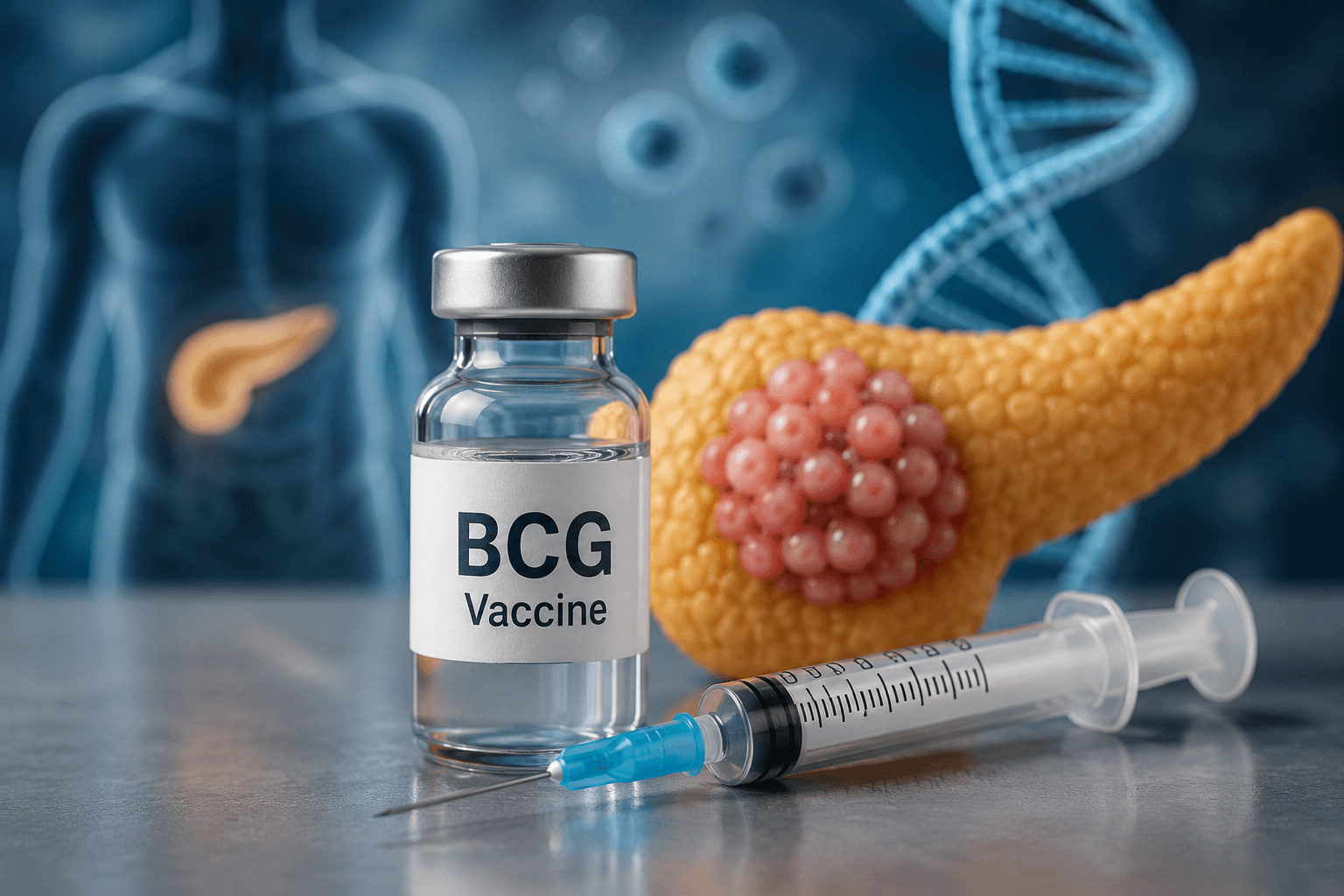
For more than 100 years, the Bacillus Calmette-Guérin (BCG) vaccine has been used worldwide to help prevent tuberculosis. However, researchers are now exploring another possible role for this familiar vaccine. Recent studies suggest that the BCG vaccine may play a role in treating type 1 diabetes by modifying the immune …
Read More »
Jul 30, 2026
Articles, Blood Glucose Control, Blood Glucose Control, Devices, Therapies, Type 1 Diabetes, Type 1 Diabetes
1,527 views
Many people with type 1 diabetes live with the constant fear of blood glucose dropping too low. Even today’s most advanced automated insulin delivery systems cannot actively raise glucose once levels begin to fall. Instead, they can only reduce or suspend insulin delivery. A dual-hormone artificial pancreas system changes that …
Read More »
Jul 30, 2026
Articles, Cardiology, Therapies, Type 2 Diabetes, Type 2 Diabetes
1,490 views
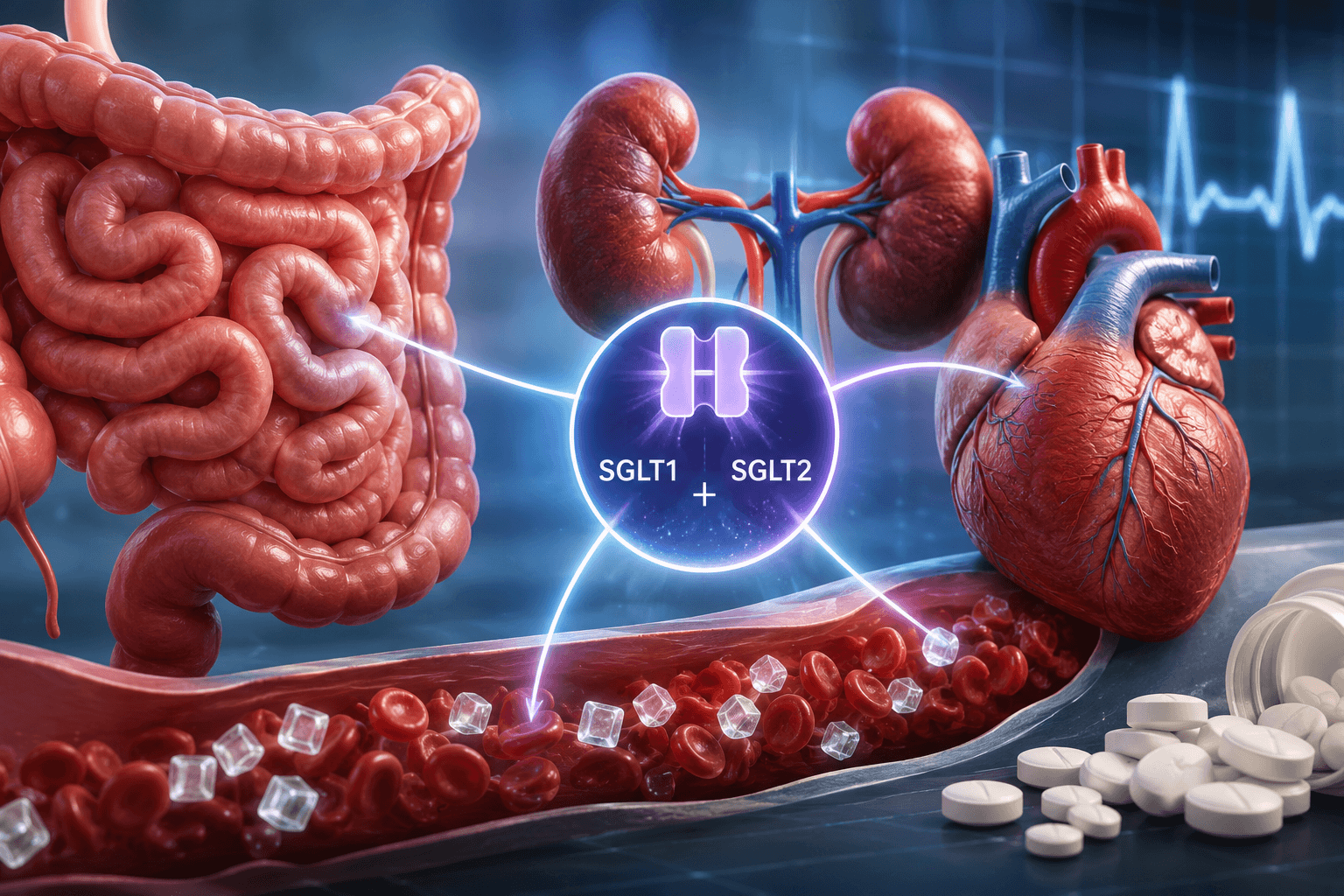
The treatment landscape for type 2 diabetes has changed dramatically over the past decade. While selective SGLT2 inhibitors have become a cornerstone of diabetes management because of their proven cardiovascular and kidney benefits, researchers are now exploring the added potential of dual SGLT1/2 inhibitor therapy for people with diabetes. By …
Read More »
Jul 29, 2026
Articles, Diabetes, Nephrology, Neuropathy & Pain, Type 2 Diabetes, Type 2 Diabetes
1,985 views
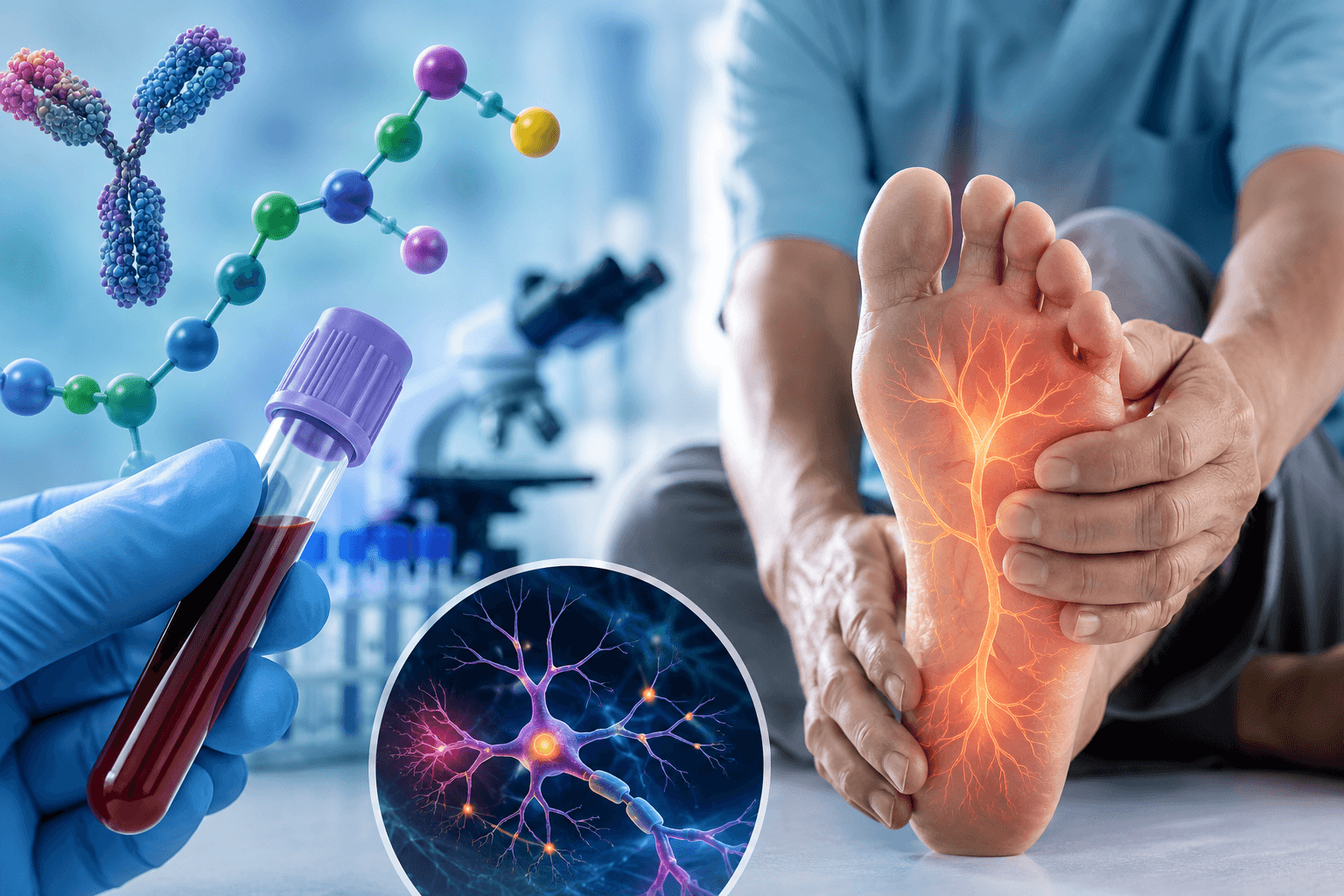
Early detection has always been one of the biggest challenges in diabetes care. What if doctors could identify patients at high risk for diabetic neuropathy or kidney disease years before symptoms developed? That possibility is driving exciting new research into IgG glycosylation in diabetes, an emerging area that examines subtle …
Read More »
Jul 28, 2026
Articles, Blood Glucose Control, Blood Glucose Control, Diabetes, News, Ophthalmology, Type 2 Diabetes, Type 2 Diabetes
1,560 views
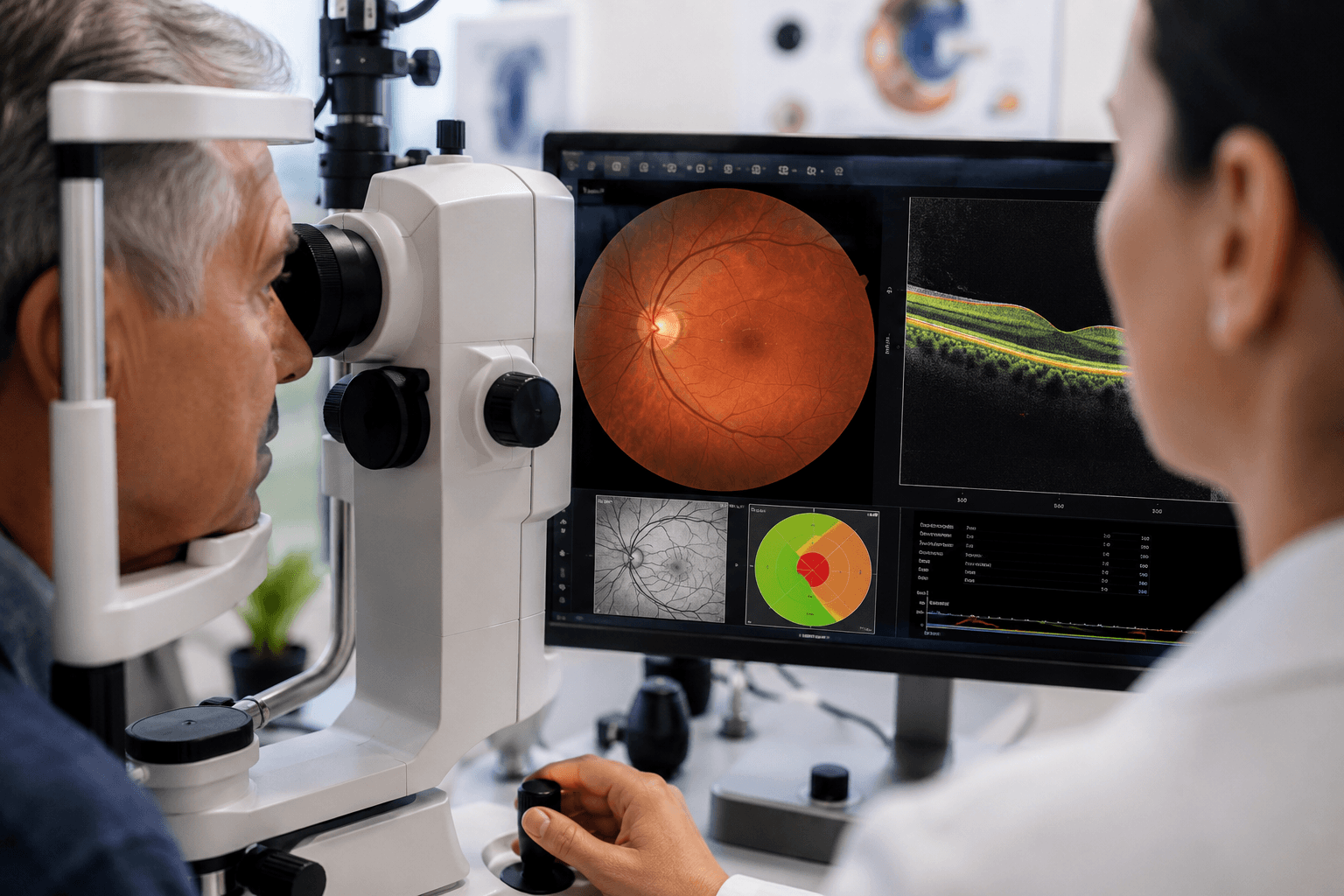
Diabetes affects far more than blood sugar. In fact, the earliest stages of diabetic retinal disease may begin years before an eye doctor can see the classic signs of diabetic retinopathy during a routine examination. Imagine a smoke detector that alerts you before you ever see flames. That is the …
Read More »
Jul 27, 2026
Articles, Blood Glucose Control, Blood Glucose Control, Diabetes, Nephrology, Neurology, Ophthalmology, Prevention, Type 2 Diabetes, Type 2 Diabetes
2,100 views
Diabetes is known for raising blood sugar levels, but its long-term complications often have the greatest impact on health. Kidney disease, vision loss, nerve damage, and cardiovascular disease affect millions of people living with diabetes. For years, researchers focused on inflammation, oxidative stress, and poor circulation to explain these complications. …
Read More »
 Diabetes In Control. A free weekly diabetes newsletter for Medical Professionals. News and information for Medical Professionals.