May 25, 2015
Clinical Gems, Ophthalmology, Surgery
3,734 views
David Levy, MD, FRCP Cataract Diabetes is a strong risk factor for cataract, and it occurs earlier and progresses faster than in the non-diabetic population. Cortical cataract is the most frequent, with its typical radial spoke opacities. Indications for cataract surgery include impairment of vision that reduces quality of life, and …
Read More »
May 25, 2015
Clinical Gems, Ophthalmology, Surgery
3,406 views
David Levy, MD, FRCP Pre-proliferative retinopathy An important diagnosis, as there is a very high risk of progression to proliferative retinopathy and significant visual loss. Pre-proliferative changes are characterized by the following. Multiple (> 5) cotton-wool spots. Multiple large blot hemorrhages. Venous abnormalities: irregularities, beading, looping or reduplication. Intraretinal microvascular abnormalities: …
Read More »
May 25, 2015
Clinical Gems, Ophthalmology, Surgery
3,752 views
David Levy, MD, FRCP Non-proliferative diabetic retinopathy Background retinopathy Microaneurysms Small, red, intraretinal lesions usually found at the posterior pole of the eye, around the disc and macula. They occur in areas of capillary non-perfusion and show leakage of fluorescein. It is worthwhile estimating the number of microaneurysms as it has …
Read More »
May 25, 2015
Clinical Gems, Ophthalmology, Surgery
4,250 views
David Levy, MD, FRCP Introduction Diabetic retinopathy is the most common clinically significant microvascular complication of diabetes, but cataract is the most common ocular complication, with a prevalence of about 60% in those aged 30–54, five times more frequent than in those without diabetes. Diabetes is also associated with raised intraocular …
Read More »
May 25, 2015
Blood Glucose Control, Disasters Averted, GLP-1 Agonist Therapy Center, Insulin Therapy Center, Metformin Therapy Center, Type 2 Diabetes
3,330 views
The patient, a woman, 52 years of age, has type 2 diabetes and is on metformin, a GLP-1 agonist, and a long-acting insulin. Over the past few months, I’ve received calls and emails from her every now and then to let me know her glucose levels were rising, but whenever …
Read More »
May 24, 2015
Videos
2,757 views
Dr. Joe Houmard address the issue of “healthy obesity” noting that although recent data does seem to support the concept, especially for those who are overweight rather than obese, it is still preferable for patients to be at a normal weight…. Joe Houmard, Ph.D. has been at East Carolina University in …
Read More »
May 24, 2015
Clinical Presentations
3,402 views
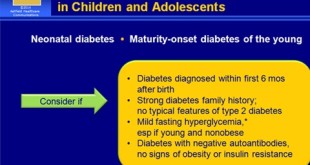
In this week’s Homerun Slides, we review some of the 2015 ADA Guidelines focusing on children and adolescents: Children and Adolescents with Type 1 Diabetes: High Blood Pressure; Type 2 Considerations in Children and Adolescents; and Monogenic Diabetes Syndromes in Children and Adolescents….
Read More »
May 22, 2015
Articles, Periodontal, Prediabetes
3,649 views
Score proposed to help facilitate diagnosis among population that infrequently sees primary physicians… As a part of campaigns to alleviate the health and financial burdens of undiagnosed diabetes, and because many Americans regularly visit their dentists, but not medical doctors, diabetes screening in dental offices has emerged as a promising …
Read More »
May 22, 2015
Articles
3,377 views
Studies show reduction in CGM levels and hypoglycemia compared to insulin-pump therapy…
Read More »
May 22, 2015
Articles
2,453 views
Professionals trained by endocrinologists shown effective in reducing patients’ glycemia, blood pressure, lipids and body weight…
Read More »
 Diabetes In Control. A free weekly diabetes newsletter for Medical Professionals. News and information for Medical Professionals.