Jul 20, 2015
Clinical Presentations, SGLT-2 Therapy Center
3,064 views
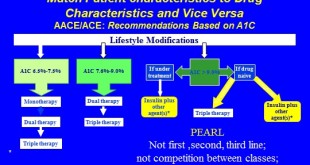
In this week’s Homerun Slides, we continue our short series on introducing SGLT-2 inhibitor therapy to your patients. Topics this week include: Logic for SGLT-2 Inhibition, But Won’t Sugar Hurt My Kidneys, and CV Risk factor Changes with SGLT-2 Inhibitors…
Read More »
Jul 17, 2015
Articles, Diet & Nutrition, Type 2 Diabetes
2,856 views
In a 12-year study with over 50 generations, rats who had undernourished ancestors were found to be more susceptible to diabetes and other metabolic diseases… The middle classes from developing countries are more susceptible than western Caucasians to obesity, type 2 diabetes and cardiovascular disease in today’s changing environment. New …
Read More »
Jul 17, 2015
Articles, Dermatology, Sulfonylurea
3,482 views
The way that type 2 diabetics respond to initial treatment could predict the long term effectiveness of their treatment regimen… There are a variety of treatment options for type 2 diabetics, with no clear reason why some drugs work better than others in some individuals. That is why diabetes treatment …
Read More »
Jul 17, 2015
Articles, Geriatric Medicine, Neurology, Type 2 Diabetes
4,383 views
Scores of the diabetes patients decreased by an additional 12 percent during the two-year period… Type 2 diabetes is known to put individuals at risk for numerous health complications. Now a study led by researchers at Beth Israel Deaconess Medical Center (BIDMC) sheds new light on the often overlooked toll …
Read More »
Jul 17, 2015
Articles, Obesity
2,872 views
Binge-eating cavefish share mutated gene with some obese people. Blind cavefish have evolved to be starvation resistant, constantly hungry, and fat but healthy. New research shows they share genetic mutations with some obese people. Narration by study co-author Nicolas Rohner. Blind cavefish that have adapted to annual cycles of starvation …
Read More »
Jul 17, 2015
Articles, Bone & Joint
3,057 views
Investigators are targeting individualized diabetes therapy using the genetic approach… Dr. Lazar and his team focused on a fat molecule called PPARγ, which is also the target for the thiazolidinedione (TZD) class of drugs. PPARγ binds to DNA and activates the expression of other genes. The researchers hypothesized that genetic …
Read More »
Jul 17, 2015
Articles, Insulin Therapy Center, Surgery
2,411 views
Oxidized LDL (oxLDL) cholesterol and fructosamine are associated with severe heart disease in women…. Insulin resistance is known to increase risk for cardiovascular diseases. However some patients with insulin resistance appear to experience only moderate symptoms of coronary blockage while others suffer severe coronary atherosclerotic and continue to progress after …
Read More »
Jul 17, 2015
Articles, DPP-4 Therapy Center, Geriatric Medicine, Type 2 Diabetes
6,604 views
In a study, older patients taking Januvia reduced their A1c’s without an increased risk of hypoglycemia…. The mortality rate for elderly individuals with type 2 diabetes is twice that of elderly individuals without type 2 diabetes. That is why it is very important for elderly individuals with diabetes to optimize …
Read More »
Jul 17, 2015
Articles, Blood Glucose Control, Type 2 Diabetes
2,459 views
Visit-to-visit glucose variability may play a key role in cognitive function in type 2 diabetic patients…. Previous studies have shown an association with hypoglycemic/hyperglycemic episodes and change in cognitive function in diabetic patients, however it remains uncertain whether long-term exposure to glucose variability prompts cognitive changes in diabetic patients. A …
Read More »
Jul 17, 2015
Articles, Surgery
2,502 views
Current weight management programmes focused on dieting and exercise may not be effective in tackling obesity at population level…. The chance of an obese person attaining normal body weight is 1 in 210 for men and 1 in 124 for women, increasing to 1 in 1,290 for men and 1 …
Read More »
 Diabetes In Control. A free weekly diabetes newsletter for Medical Professionals. News and information for Medical Professionals.