 Diabetes In Control. A free weekly diabetes newsletter for Medical Professionals. News and information for Medical Professionals.
In this week's Homerun Slides, the cost of the current diabetes classification.
Read More »Diagnosing Diabetes Mellitus in Adults Part 7

In this week's Homerun Slides, the cost of the current diabetes classification.
Read More »
Dysregulation of the insulin gene: There is convincing evidence that abnormalities in insulin gene sequence or function play a role in pancreatic beta-cell dysfunction in type 2 diabetes. Abnormalities in the insulin gene structure consist of rare control region mutations, while insulin gene expression appears to be reduced by metabolic conditions associated with the diabetic state.
Read More »
New guidelines cite effectiveness, cost efficiency, and safety as reasons to consider procedure.
Read More »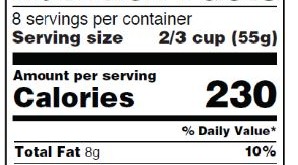
New FDA nutrition facts label aims to make it easier for consumers to make informed choices about what they’re eating.
Read More »
Higher level of cardiorespiratory fitness (CRF) over two decades was shown to reduce risk for developing prediabetes and T2, even after adjusting for changes in BMI.
Read More »
A recent study published in Obesity in May 2016 reported very discouraging findings for a group of participants who had lost weight on “The Biggest Loser” (TBL) reality TV show: not only did almost all of them regain a significant amount of weight over the 6-year period following the show, but they also had lower resting metabolic rates than expected for their body weights, even six years later. With the way the media ran with this story, it will not be a surprise if everyone just gives up staying thinner and blames excess weight on a faulty, and unchangeable, metabolism.
Read More »
With over 33,000 yearly accidental deaths from guns, should medical professionals have the responsibility to talk about safety to their patients who own guns? Follow the link to respond -- and to see what others think.
Read More »
(Continued from Question #835) Mr. Fontello is an overweight, Caucasian 63-year-old patient who comes in for a 6-month check-up. He has a 12-year history of type 2 diabetes. He was diagnosed at age 33 with high blood pressure, but had never really done much about it as it was “too much of a hassle” and he felt “just fine.” At the time his diabetes was diagnosed, he was referred to a diabetes education program and was started on metformin, lovastatin, losartan and aspirin. He has an individualized A1C goal of 7%. Four years after diagnosis, pioglitazone was added to Mr. Fontello’s diabetes regimen. Three years ago, he came in for an appointment complaining of polyuria, polydipsia and fatigue with an office A1C of 9.3%. At that time he was started on nightly basal insulin detemir. Since that time, he has made concerted efforts to eat a healthy diet and get to the gym. Today, he reports his SBGM fasting plasma glucose levels are on target (FPG<130mg/dL). He also states that his feet always feel a little bit swollen. BP 128/78, HR 73, RR 19. Physical exam is remarkable for peripheral edema and mildly decreased pedal pulses. Current medications: metformin, pioglitazone, insulin detemir, lovastatin, losartan, aspirin. At today’s visit, his office A1C is 8.1%. A rapid-acting insulin analogue was added to his largest meal of the day. Labs taken last year show Mr. Fontello had a serum creatinine 1.2mg/dL with an eGFR 61mL/min. Today, his serum creatinine is 1.6 mg/dL and his eGFR is 44 mL/min. Because guidelines indicate when a patient’s eGFR falls below 60mL/min, dose reduction of medications should be considered, you decide to adjust Mr. Fontello’s medication. In type 2 diabetes, which one of the following medications does not need to be considered for dose reduction? Select one answer: A. Glyburide B. Metformin C. Insulin D. Pioglitazone E. Exenatide Are you right? Follow the link to find out!
Read More »
37-year-old woman has had type 1 diabetes since she was five years old. She was referred to me to help her manage her glucose levels because she wants to have a baby. She was wearing an insulin pump at the time, and had been for the past 20 years. Her glucose levels were very erratic. No pattern in sight.
Read More »
In part 6 of this Exclusive Interview, Steve Freed asks about the possibility of a future app and expanding patient access to their service.
Read More »