Oct 26, 2012
Featured Writers
2,607 views
By Sheri Colberg, PhD What causes diabetes? Now that’s a loaded question if I have ever heard one. What doesn’t cause it? That would actually be an easier question to answer.
Read More »
Sep 28, 2012
Featured Writers, Physical Activity
4,227 views
By Sheri Colberg, PhD Any type of exercise training can make your insulin work better, regardless of what type of diabetes you have and whether you have to take insulin.
Read More »
Aug 24, 2012
Featured Writers, Physical Activity
19,991 views
By Sheri Colberg, PhD How much exercise are kids actually getting nowadays? Not nearly enough!
Read More »
Jul 26, 2012
Cardiology, Featured Writers, GLP-1 Agonist Therapy Center
5,385 views
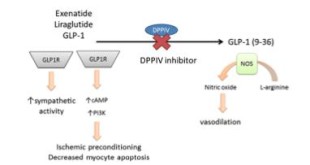
Tina Burge, Doctor of Pharmacy Candidate, FAMU College of Pharmacy Reviewed by Dave Joffe, BSPharm, CDE It’s well-known that patients with diabetes have an increased risk of cardiovascular disease when compared to patients without diabetes. Diabetes type 2 has a high prevalence in the obese (BMI ³ 25kg/m2) and overweight …
Read More »
Jul 20, 2012
Featured Writers
11,022 views
Sheri Colberg, PhD A lot of my clinical research of late has been on a collision course with heart rate variability, or HRV for short. In fact, it has gotten to the point that I now believe that maintaining your HRV is the key to your well-being, …
Read More »
Jul 6, 2012
Featured Writers
2,392 views
David Joffe, BSPharm, CDE, Editor-in-chief, Diabetes In Control The Endocrine Society has published a new set of recommendations on the definition of endocrine-disrupting chemicals (EDC) and screening programs for such chemicals.
Read More »
Jun 29, 2012
Featured Writers
2,085 views
Learn how to get your patients to increase their physical activity.
Read More »
Jun 27, 2012
Featured Writers
35,151 views
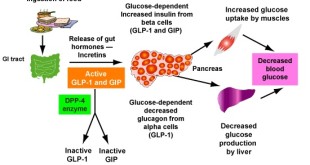
David Joffe, BSPharm, CDE Tina Burge, PharmD Candidate Florida A&M University Kiet Ngo, Pharm D Candidate Mercer University Abnormalities in incretin hormones such as the glucagon-like peptide-1 (GLP-1) contribute to the development of hyperglycemia. GLP-1 was discovered as a peptide encoded by the proglucagon gene and was named glucagon-like because …
Read More »
Jun 26, 2012
Featured Writers, Periodontal
3,499 views
Oral Disease TREATMENT Can Help Control High Glycemic Levels San Francisco, CA (June 6, 2008) – Critical links between periodontal (gum) disease and the development of type 2 diabetes, as well as the development and progression of its complications, were reported here today in the first ever symposium presented by …
Read More »
Jun 26, 2012
Featured Writers, Periodontal
2,832 views
Maria Emanuel Ryan, DDS, PhD; Oana Carnu, DMD; Angela Kamer, DMD, PhD The pathogenesis of periodontal disease is complex because it reflects a combination of the initiation and maintenance of the chronic inflammatory process by a diverse microbial flora and its numerous bacterial products. The subsequent host response to this infection mediates …
Read More »
 Diabetes In Control. A free weekly diabetes newsletter for Medical Professionals. News and information for Medical Professionals.