Dec 11, 2025
Diabetes, Prevention, Type 2 Diabetes, Type 2 Diabetes, Wound Care
2,122 views
Why do people with diabetes face such frequent infections—and what can clinicians do to reduce the risk? With elevated blood glucose impairing immune function and circulation, patients with diabetes are more vulnerable to infections that can escalate quickly, from respiratory issues to stubborn foot ulcers. Understanding this connection is critical …
Read More »
Dec 11, 2025
Articles, Devices, Diabetes, Patient Resources, Practice Management, Type 1 Diabetes, Type 1 Diabetes, Type 2 Diabetes, Type 2 Diabetes
1,702 views
In the era of smartphones, continuous glucose monitoring (CGM), remote portals, and health apps, digital tools offer powerful ways to support people living with diabetes. However, too much technology can overwhelm patients, leading to digital health fatigue in diabetes—a state where users disengage from tools that were meant to help …
Read More »
Dec 11, 2025
Articles, Diabetes, Diet and Nutrition, Physical Activity, Prediabetes, Prediabetics, Prevention, Type 2 Diabetes, Type 2 Diabetes
1,443 views
Prediabetes affects a striking proportion of adults worldwide, creating a crucial window for intervention before type 2 diabetes develops. While medications like metformin are frequently considered for high-risk individuals, evidence from large clinical trials shows that lifestyle-based strategies — especially the National Diabetes Prevention Program — can dramatically reduce the …
Read More »
Dec 11, 2025
Articles, Diabetes, Gastroenterology, Geriatric Medicine, Neurology, Oncology, Prevention, Type 2 Diabetes, Type 2 Diabetes
1,797 views
Early in training, many clinicians learn the classic “eye–kidney–foot” framework for recognizing and managing complications of diabetes. However, as science advances, the range of recognized consequences of diabetes—and opportunities for earlier intervention—continues to broaden. Today, the concept of diabetes complications screening must evolve to include conditions such as metabolic dysfunction–associated …
Read More »
Jul 30, 2025
Articles, For Your Practice
12,087 views
Discover the "Top 50 Diabetes Influencers of 2025" shaping global conversations and empowering communities in diabetes management and advocacy.
Read More »
Jul 23, 2025
Articles, For Your Practice
6,090 views
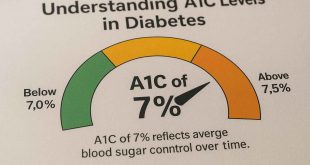
Discover what an A1C of 7% means for diabetes management, its role in blood sugar control, and how it impacts health outcomes.
Read More »
Jul 22, 2025
Articles, For Your Practice, Prevention
28,525 views
Discover the 10-10-10 Rule: a simple approach to managing blood sugar through mindful eating, meal timing, and brief post-meal activity.
Read More »
Jul 17, 2025
Articles, For Your Practice
4,149 views
Discover how Barbie with Diabetes serves as an educational tool, promoting understanding and empathy for young patients managing the condition.
Read More »
Jul 14, 2025
Articles, For Your Practice
3,391 views
Discover essential lifestyle changes for diabetes management, focusing on diet, exercise, stress reduction, and smoking cessation for improved health.
Read More »
Jul 10, 2025
Articles, For Your Practice
4,126 views
Explore the latest diabetes medications to optimize patient care, understanding mechanisms, benefits, and individualized treatment strategies.
Read More »
 Diabetes In Control. A free weekly diabetes newsletter for Medical Professionals. News and information for Medical Professionals.