Aug 20, 2026
Articles, Blood Glucose Control, Blood Glucose Control, Diabetes, Diet and Nutrition, Type 2 Diabetes, Type 2 Diabetes
2,131 views
Could changing the order of foods on your plate improve blood sugar without changing what you eat? Research on food sequencing for diabetes suggests it may. Eating vegetables, fiber-rich foods, and protein before carbohydrate-rich foods can reduce post-meal glucose rises in some people. Rather than removing rice, bread, pasta, or …
Read More »
Aug 18, 2026
Articles, Blood Glucose Control, Blood Glucose Control, Diabetes, Safety, SGLT-2 Therapy Center
5,887 views
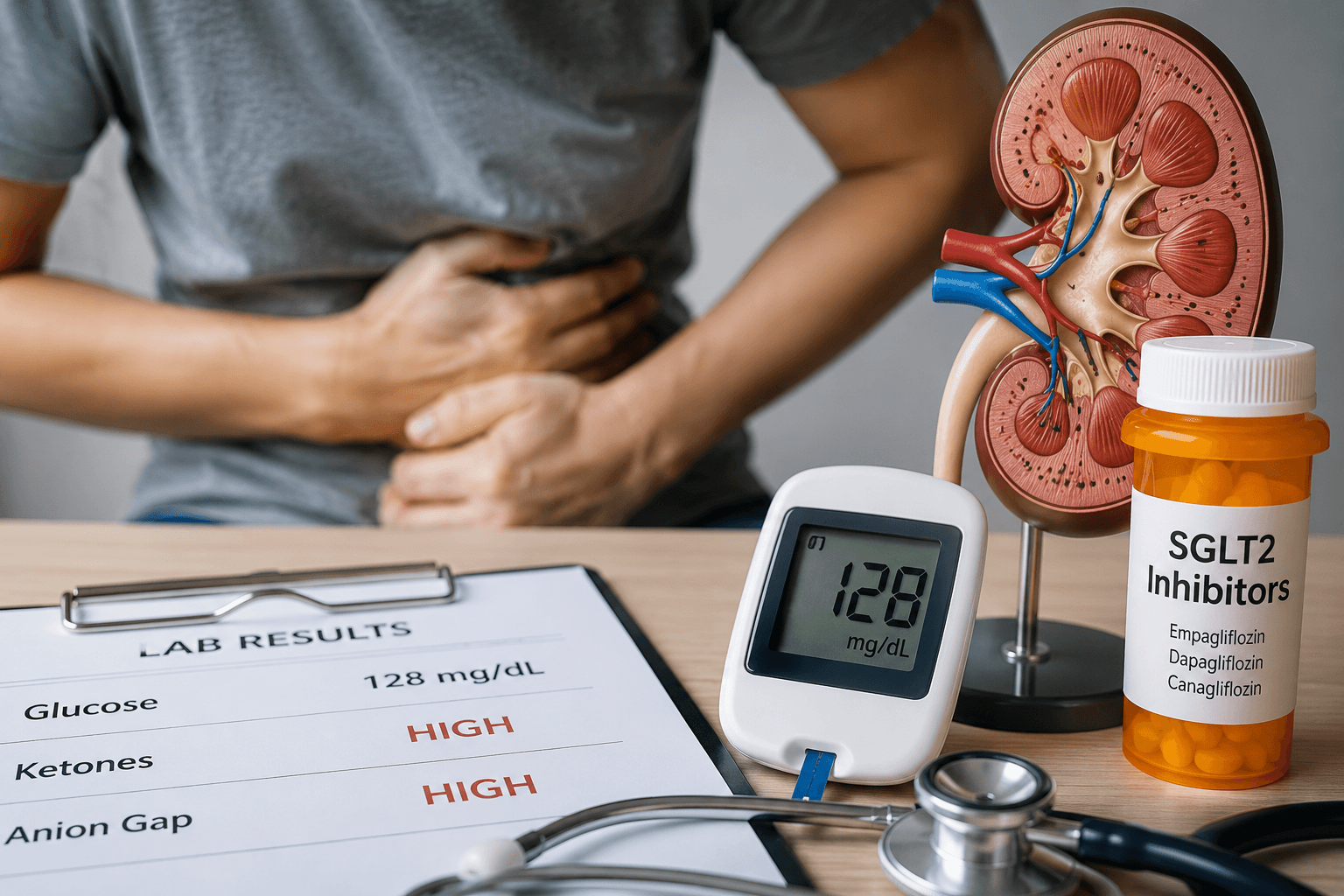
Euglycemic diabetic ketoacidosis can challenge one of the most familiar clinical shortcuts in diabetes care: DKA should come with markedly elevated glucose. In patients taking sodium-glucose cotransporter 2 (SGLT2) inhibitors, however, dangerous ketoacidosis may develop while glucose remains normal or only modestly elevated. As a result, euglycemic DKA in patients …
Read More »
Aug 18, 2026
Articles, Blood Glucose Control, Blood Glucose Control, Dermatology, Devices, Diabetes, Prevention, Safety
2,493 views
Continuous glucose monitors (CGMs) and insulin pumps can transform diabetes management, but the technology only works when patients can comfortably keep wearing it. CGM skin irritation can turn a valuable device into a daily source of itching, redness, pain, or damaged skin. In some cases, the reaction becomes severe enough …
Read More »
Aug 17, 2026
Articles, Blood Glucose Control, Blood Glucose Control, Diabetes, Diet and Nutrition, Obesity, Surgery
1,487 views
Blood glucose may improve dramatically after metabolic or bariatric surgery. Yet, for some patients, a very different glucose problem develops months or years later. Post-bariatric hypoglycemia can cause sudden drops in blood glucose after meals, with symptoms ranging from sweating and tremor to confusion, seizures, or loss of consciousness. Because …
Read More »
Aug 14, 2026
AI-news, Articles, Blood Glucose Control, Blood Glucose Control, Cardiology, Diabetes, Nephrology, Ophthalmology
4,719 views
For people with diabetes, a retinal photograph has traditionally answered one major question: Is diabetic retinopathy developing? However, artificial intelligence is beginning to uncover much more. Emerging retinal AI models for systemic risk assessment can detect patterns associated with cardiovascular disease, kidney disease, blood pressure, and metabolic health. As a …
Read More »
Aug 13, 2026
Articles, Blood Glucose Control, Blood Glucose Control, Cardiology, Diabetes, Prevention
3,321 views
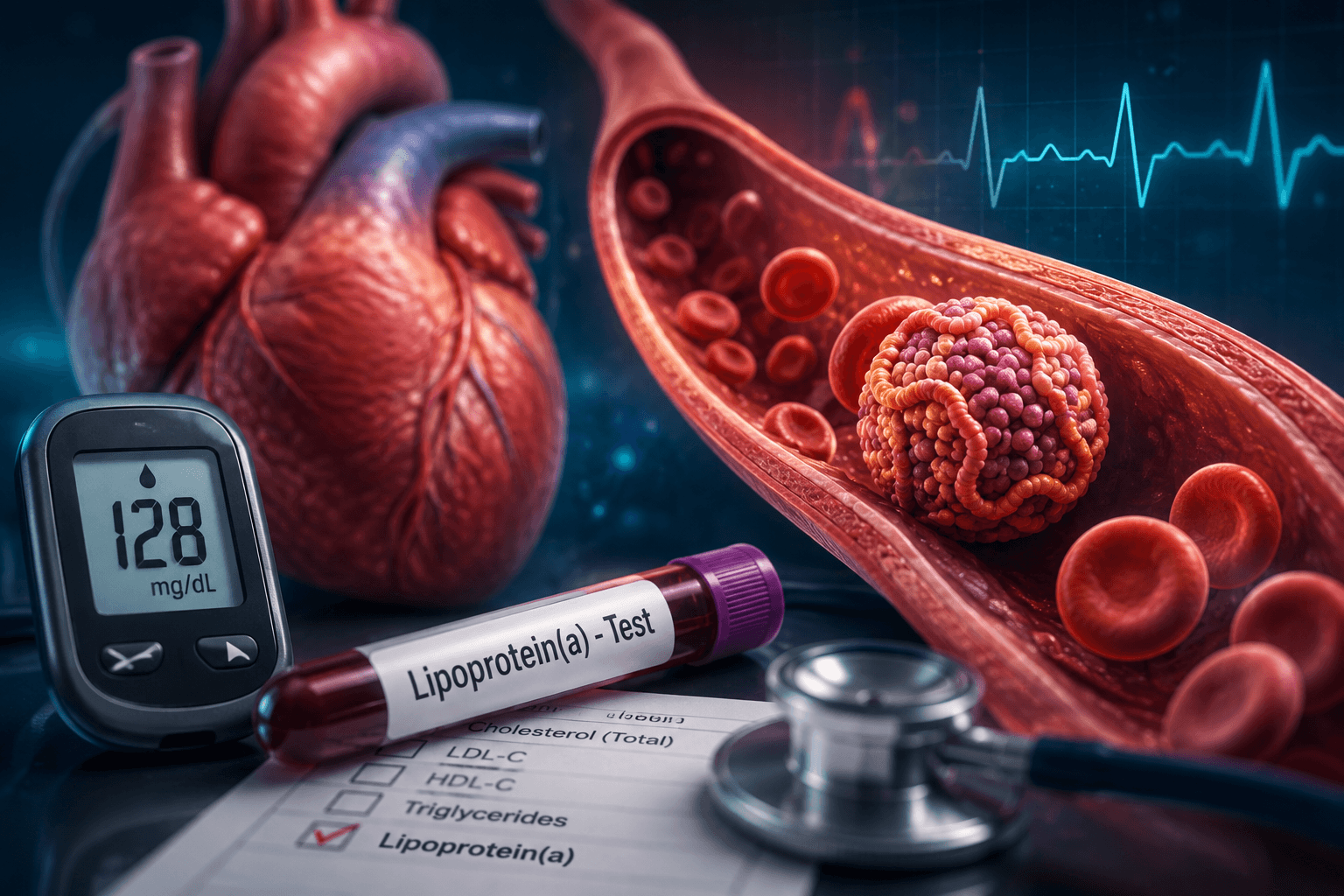
For many people with diabetes, lowering LDL cholesterol is a major part of preventing heart attack and stroke. Yet an important clinical puzzle remains. Why do some patients experience cardiovascular events even after LDL reaches recommended targets? Growing evidence points toward lipoprotein(a), or Lp(a), as one possible piece of that …
Read More »
Aug 13, 2026
Articles, Blood Glucose Control, Blood Glucose Control, Devices, Diabetes, Insulin Therapy Center, Type 1 Diabetes, Type 1 Diabetes
1,873 views
Artificial intelligence is entering diabetes care in a surprisingly quiet way. Rather than appearing as a chatbot or separate decision-support tool, increasingly sophisticated algorithms are being built into automated insulin delivery systems. Adaptive insulin pump hardware can work with continuous glucose monitor (CGM) data, recent insulin delivery, and changing glucose …
Read More »
Aug 12, 2026
Articles, Blood Glucose Control, Blood Glucose Control, Diabetes, Exercise, Physical Activity, Therapies, Type 2 Diabetes, Type 2 Diabetes
1,210 views
What if scientists could capture some of the metabolic benefits of exercise in a medicine? Research into the connection between myokines and diabetes is bringing that possibility closer to serious scientific discussion. When skeletal muscles contract, they do more than move the body. They release signaling molecules called myokines that …
Read More »
Aug 5, 2026
Articles, Blood Glucose Control, Blood Glucose Control, Diabetes, Therapies, Type 2 Diabetes, Type 2 Diabetes
1,258 views
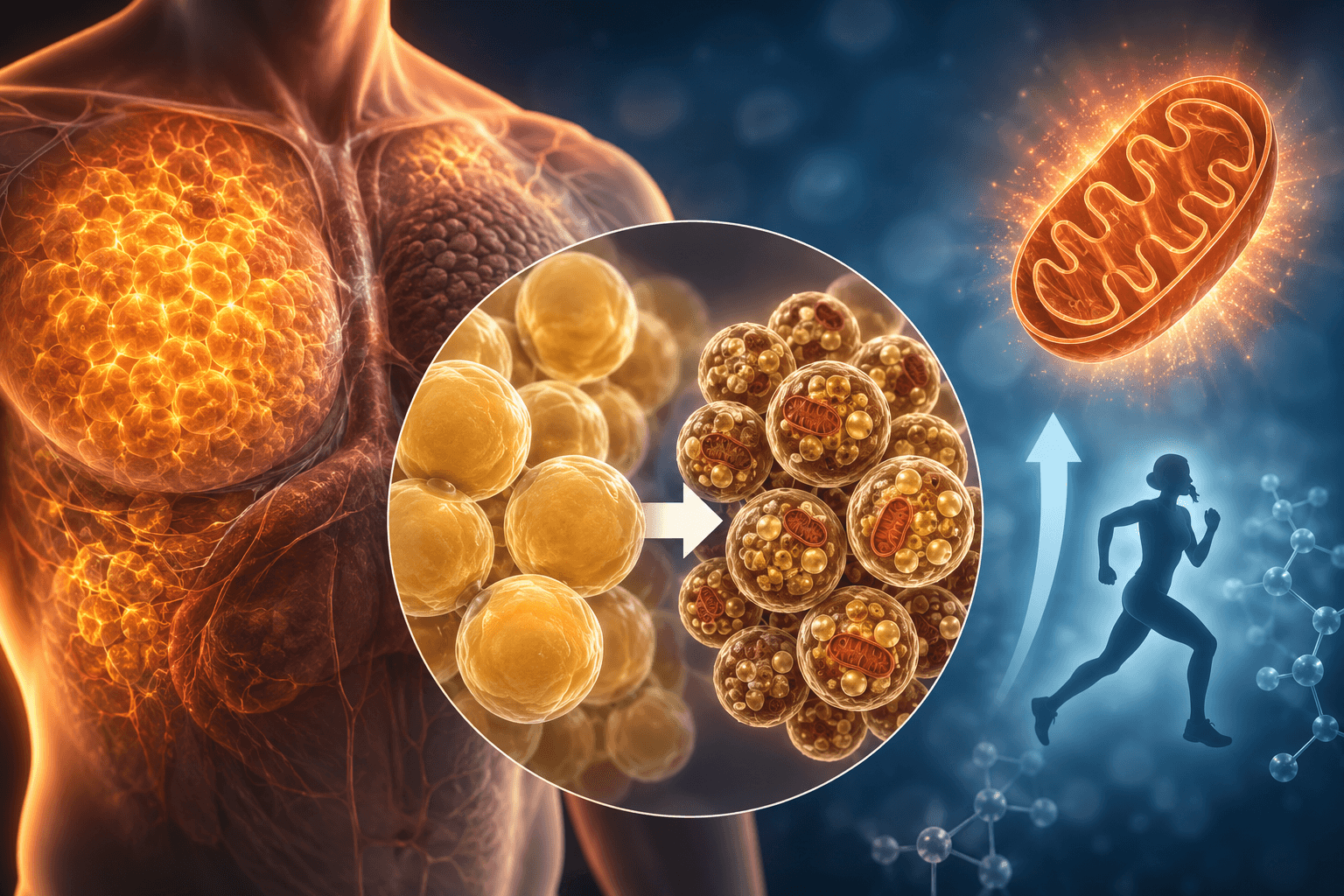
For decades, diabetes research has focused on protecting insulin-producing beta cells or replacing those that have been lost. However, scientists are now exploring a completely different strategy. Instead of repairing the pancreas, researchers are investigating whether the body’s own fat can become a powerful tool for improving glucose control. This …
Read More »
Aug 4, 2026
Articles, Blood Glucose Control, Blood Glucose Control, Diabetes, Prevention, Type 1 Diabetes, Type 1 Diabetes, Type 2 Diabetes, Type 2 Diabetes
2,350 views
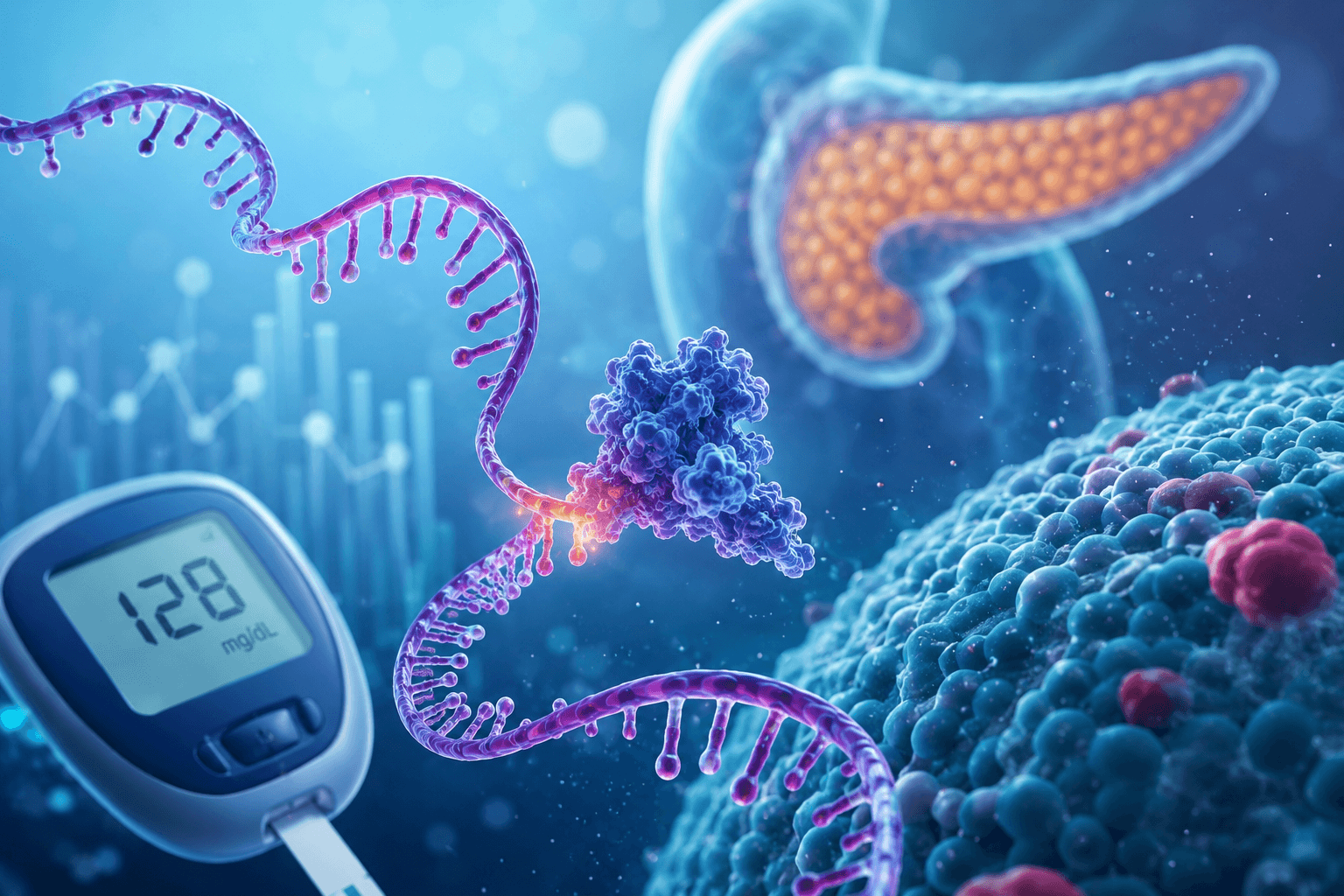
Diabetes research is moving beyond blood sugar measurements and insulin therapy into an exciting new frontier. One of the most promising areas involves microRNAs, tiny RNA molecules that quietly regulate hundreds of genes throughout the body. Although they are microscopic, their influence on insulin production, inflammation, and blood vessel health …
Read More »
 Diabetes In Control. A free weekly diabetes newsletter for Medical Professionals. News and information for Medical Professionals.