Jan 9, 2026
Articles, Blood Glucose Control, Blood Glucose Control, Devices, Diabetes, Type 1 Diabetes, Type 2 Diabetes
5,935 views
With diabetes technology evolving rapidly, clinicians face more choices than ever before. From continuous glucose monitors (CGMs) to insulin pumps and patch devices, today’s tools can transform diabetes care—but only when matched to the right patient. This article provides a comprehensive diabetes technology comparison, helping you understand each option’s features, …
Read More »
Jan 9, 2026
Articles, Blood Glucose Control, Blood Glucose Control, Diabetes, Therapies, Type 2 Diabetes, Type 2 Diabetes
2,465 views
Imagine reducing your patients’ insulin injections from 365 a year to just 52. That’s the promise of once‑weekly insulin — a next-generation option designed to simplify treatment, enhance adherence, and improve patient outcomes. While this innovation is gaining traction, many healthcare providers still have questions about when and how to …
Read More »
Jan 9, 2026
Articles, Blood Glucose Control, Blood Glucose Control, Diabetes, Type 1 Diabetes, Type 1 Diabetes
1,778 views
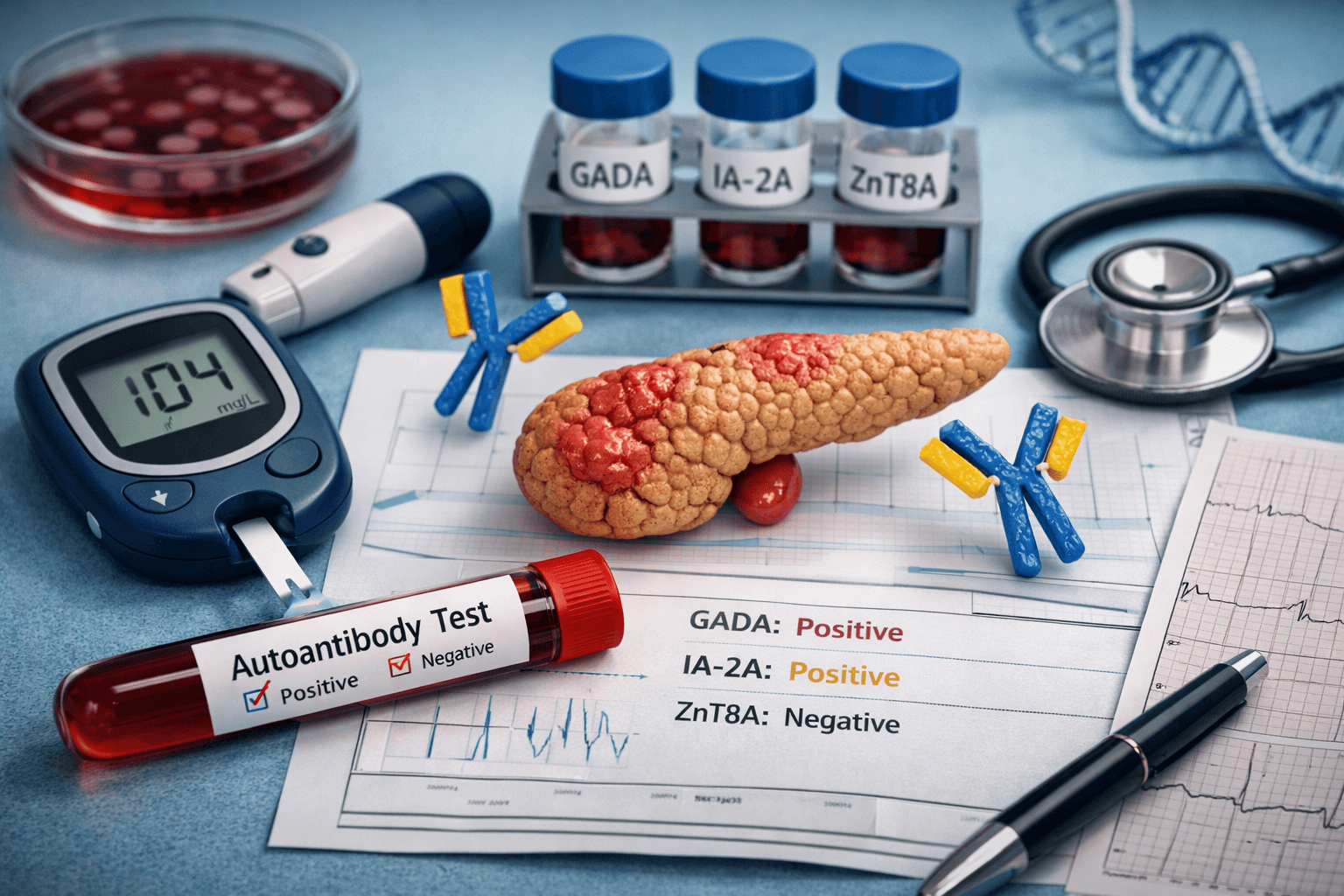
Type 1 diabetes doesn’t have to be a surprise. Thanks to type 1 diabetes autoantibody screening, clinicians can now identify individuals at high risk before symptoms even appear. This early detection opens doors for proactive monitoring, patient education, and potentially delaying or preventing full-blown disease. But who should be screened? …
Read More »
Jan 2, 2026
Articles, Blood Glucose Control, Blood Glucose Control, Diabetes, Prevention, Type 2 Diabetes, Type 2 Diabetes
6,977 views
Hospital discharge marks a critical juncture in the care of people with diabetes. It’s a period often riddled with risk—confusion about medications, fluctuating blood sugar levels, and a lack of follow-up can easily derail recovery. As clinicians, how can we improve post-discharge outcomes and reduce readmissions? This practical checklist offers …
Read More »
Jan 2, 2026
Blood Glucose Control, Blood Glucose Control, Diabetes, Diet and Nutrition, Type 2 Diabetes, Type 2 Diabetes
1,700 views
In a typical primary care or endocrinology visit, time is a precious resource. And while most clinicians understand the importance of diabetes nutrition counseling, it can be hard to know what to say—or how to say it—in just a few minutes. This article equips healthcare providers with brief, evidence-based scripts …
Read More »
Jan 2, 2026
Articles, Blood Glucose Control, Blood Glucose Control, Devices, Diabetes, Type 2 Diabetes, Type 2 Diabetes
1,237 views
As diabetes technology advances, hybrid closed‑loop systems are no longer exclusive to type 1 diabetes. In recent years, their use in insulin-treated type 2 diabetes has gained attention. These systems promise better glucose control and improved quality of life by automating much of the insulin delivery process. But are they …
Read More »
Jan 2, 2026
Articles, Blood Glucose Control, Blood Glucose Control, Diabetes, Therapies, Type 2 Diabetes, Type 2 Diabetes
3,086 views
Treating type 2 diabetes is no longer a one-size-fits-all endeavor. As new therapies emerge, clinicians face the ongoing challenge of selecting and sequencing medications in a way that balances efficacy, safety, cost, and patient preference. This comprehensive guide to type 2 diabetes drug sequencing outlines practical strategies for initiating, intensifying, …
Read More »
Dec 25, 2025
Blood Glucose Control, Blood Glucose Control, Diabetes, Geriatric Medicine, Therapies, Type 2 Diabetes, Type 2 Diabetes
2,825 views
Managing diabetes in older adults isn’t just about adjusting medications—it’s about seeing the full picture of aging, frailty, and functionality. New 2025 standards highlight the need to assess frailty and functional status when setting A1C goals in elderly patients. But how do clinicians know when it’s time to de-intensify therapy …
Read More »
Dec 25, 2025
Articles, Blood Glucose Control, Blood Glucose Control, Diabetes, Prevention, Type 1 Diabetes, Type 1 Diabetes, Type 2 Diabetes, Type 2 Diabetes
2,605 views
Diabetic ketoacidosis (DKA) and hyperosmolar hyperglycemic state (HHS) are still two of the most dangerous acute complications facing people with diabetes. However, a large portion of these cases can be prevented outside of the hospital. In 2025, the American Diabetes Association (ADA) released expanded guidance focused on DKA outpatient prevention, …
Read More »
Dec 25, 2025
Articles, Blood Glucose Control, Blood Glucose Control, Diabetes, Surgery, Therapies, Type 2 Diabetes, Type 2 Diabetes
2,675 views
GLP‑1 receptor agonists and dual agonists like tirzepatide have become indispensable in managing type 2 diabetes and obesity. However, their effect on gastric emptying introduces specific risks during surgery that can’t be ignored. As their use grows, the need for clear, coordinated GLP‑1 perioperative management is more important than ever. …
Read More »
 Diabetes In Control. A free weekly diabetes newsletter for Medical Professionals. News and information for Medical Professionals.