2 weeks ago
Articles, Blood Glucose Control, Blood Glucose Control, Diabetes, Type 2 Diabetes, Type 2 Diabetes
833 views
Insulin resistance is often discussed as though it were one metabolic problem affecting the entire body equally. However, emerging research suggests the picture is more complex. Tissue-specific insulin resistance means that fat, muscle, the liver, and other tissues may not respond to insulin in the same way. More importantly, resistance …
Read More »
2 weeks ago
Articles, Blood Glucose Control, Blood Glucose Control, Insulin Therapy Center, Pediatrics, Type 1 Diabetes, Type 1 Diabetes
1,348 views
The choice of human vs analogue insulin is especially important for people with Type 1 diabetes who live where healthcare resources are limited. Analogue insulins are often preferred because their action can be more predictable and flexible. However, human insulin is generally less expensive and may be easier for health …
Read More »
2 weeks ago
Articles, Blood Glucose Control, Blood Glucose Control, DPP-4 Therapy Center, Physician oriented, SGLT-2 Therapy Center, Therapies, Type 2 Diabetes, Type 2 Diabetes
1,033 views
Precision diabetes treatment aims to answer a question clinicians and patients face every day: which diabetes drug is most likely to work best for this particular person? A new analysis from the TriMaster crossover trial offers an important clue. Researchers compared several precision-medicine strategies for predicting responses to sitagliptin, canagliflozin, …
Read More »
2 weeks ago
Articles, Blood Glucose Control, Blood Glucose Control, Diabetes, Diet and Nutrition, Physician oriented, Type 2 Diabetes, Type 2 Diabetes
651 views
Why does eating less sometimes improve insulin sensitivity beyond what we might expect from weight loss alone? Human research points to an intriguing connection between ceramides, insulin resistance, and adiponectin. Findings from the CALERIE research program suggest that sustained, moderate calorie restriction changes circulating bioactive lipids in ways that may …
Read More »
3 weeks ago
Articles, Blood Glucose Control, Blood Glucose Control, Diabetes, Pediatrics, Type 1 Diabetes, Type 1 Diabetes
1,011 views
Does being diagnosed with type 1 diabetes at age 6 carry the same long-term risks as being diagnosed at 16? Researchers have been asking that question for years. Increasingly, evidence suggests that age at type 1 diabetes onset may help explain differences in complication patterns later in life. However, age …
Read More »
3 weeks ago
Articles, Gestational Diabetes, Physical Activity, Prevention, Type 2 Diabetes, Type 2 Diabetes, Women's Health
686 views
Diabetes prevention remains important long after a pregnancy affected by gestational diabetes. For people who have had gestational diabetes, the years after delivery are an important window for lowering the risk of Type 2 diabetes. Yet healthy choices do not happen in a vacuum. Where someone lives may affect whether …
Read More »
3 weeks ago
Articles, Blood Glucose Control, Blood Glucose Control, Devices, Diabetes, Prevention, Safety, Type 1 Diabetes, Type 1 Diabetes
2,019 views
Continuous glucose monitoring has changed how clinicians and people with diabetes think about glucose control. Yet the next question is more important than whether CGM improves A1C or Time in Range. Can it prevent events that send patients to the emergency department or hospital? Growing evidence suggests that CGM may …
Read More »
3 weeks ago
Articles, News, Therapies, Type 1 Diabetes, Type 1 Diabetes
843 views
New follow-up research on baricitinib for type 1 diabetes addresses a crucial question: what happens after the drug is stopped? The original BANDIT trial showed that 48 weeks of oral baricitinib helped preserve beta-cell function in people with recently diagnosed type 1 diabetes. However, new follow-up research examines participants through …
Read More »
3 weeks ago
Articles, Blood Glucose Control, Blood Glucose Control, Cardiology, Type 2 Diabetes, Type 2 Diabetes
3,640 views
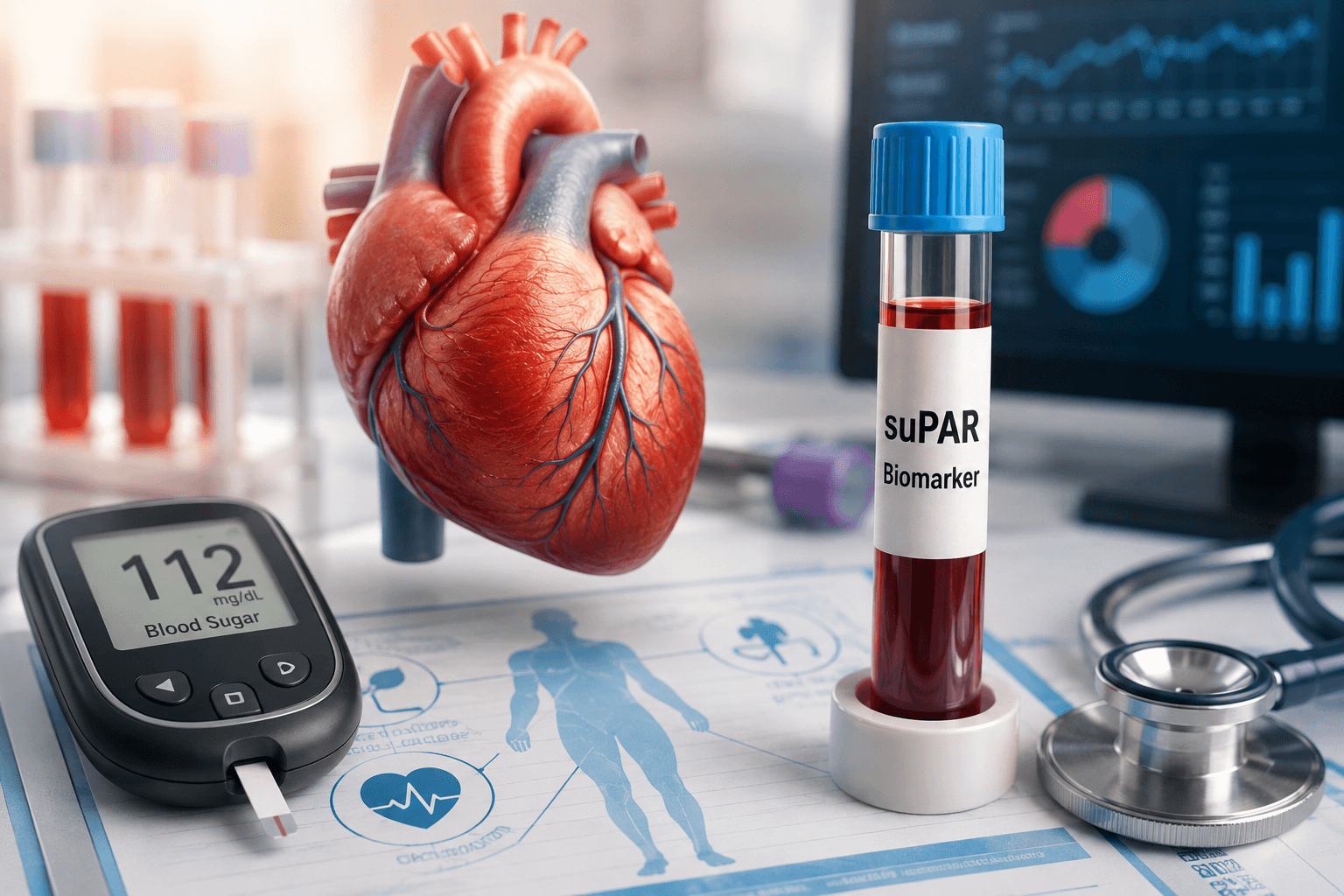
People with type 2 diabetes can face substantial cardiovascular risk even when clinicians address familiar risk factors such as LDL cholesterol, blood pressure, smoking, and blood glucose. Could another blood marker help reveal some of the risk that remains? Emerging research on the suPAR biomarker in diabetes suggests it may …
Read More »
3 weeks ago
Articles, Blood Glucose Control, Blood Glucose Control, Diet & Nutrition, Obesity, Prevention, Type 1 Diabetes, Type 1 Diabetes
946 views
Efforts to prevent or delay type 1 diabetes have traditionally focused on the autoimmune attack that destroys insulin-producing beta cells. However, emerging research suggests metabolic stress may also influence how quickly vulnerable people progress to clinical disease. A 2026 TrialNet analysis found that autoantibody-positive people with overweight or obesity who …
Read More »
 Diabetes In Control. A free weekly diabetes newsletter for Medical Professionals. News and information for Medical Professionals.