 Diabetes In Control. A free weekly diabetes newsletter for Medical Professionals. News and information for Medical Professionals.
New research challenges assumptions about the exocrine pancreas in type 2 diabetes and what pancreatic findings may mean for clinical care.
Read More »Type 2 Diabetes Damages the Pancreas, Or Does It?
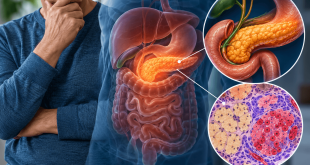
New research challenges assumptions about the exocrine pancreas in type 2 diabetes and what pancreatic findings may mean for clinical care.
Read More »
Discover how psychotherapy for type 2 diabetes may improve A1C, support self-management, and influence weight and metabolic health.
Read More »
TrialNet’s ASCEND T1D trial compares ATG with teplizumab to explore new ways to delay progression of Stage 2 type 1 diabetes.
Read More »
Could the carbohydrates eaten at breakfast affect the blood sugar response to lunch? Research on resistant starch and the second-meal effect suggests they might. Resistant starch escapes much of the digestion that normally occurs in the small intestine. As a result, less of it is immediately converted to glucose, while …
Read More »
Time-restricted eating has become a popular approach to weight management, but what happens when insulin-dependent diabetes enters the picture? Until recently, evidence on time-restricted eating in people with type 1 diabetes was notably limited. A new randomized controlled trial published in Diabetes Care offers some of the first direct evidence. …
Read More »
Could continuous glucose monitoring do more than improve glucose levels and help prevent hypoglycemia? New research raises that possibility. A large observational study examining CGM use and mortality in people with type 1 diabetes found that starting continuous glucose monitoring was associated with a lower risk of death among older …
Read More »When glucose numbers improve, patients are expected to feel better. Yet some people with type 1 diabetes report the opposite. A glucose level that looks reassuring on a continuous glucose monitor may leave them feeling tired, uncomfortable, or simply “off.” New research suggests that glycemic habituation may help explain this …
Read More »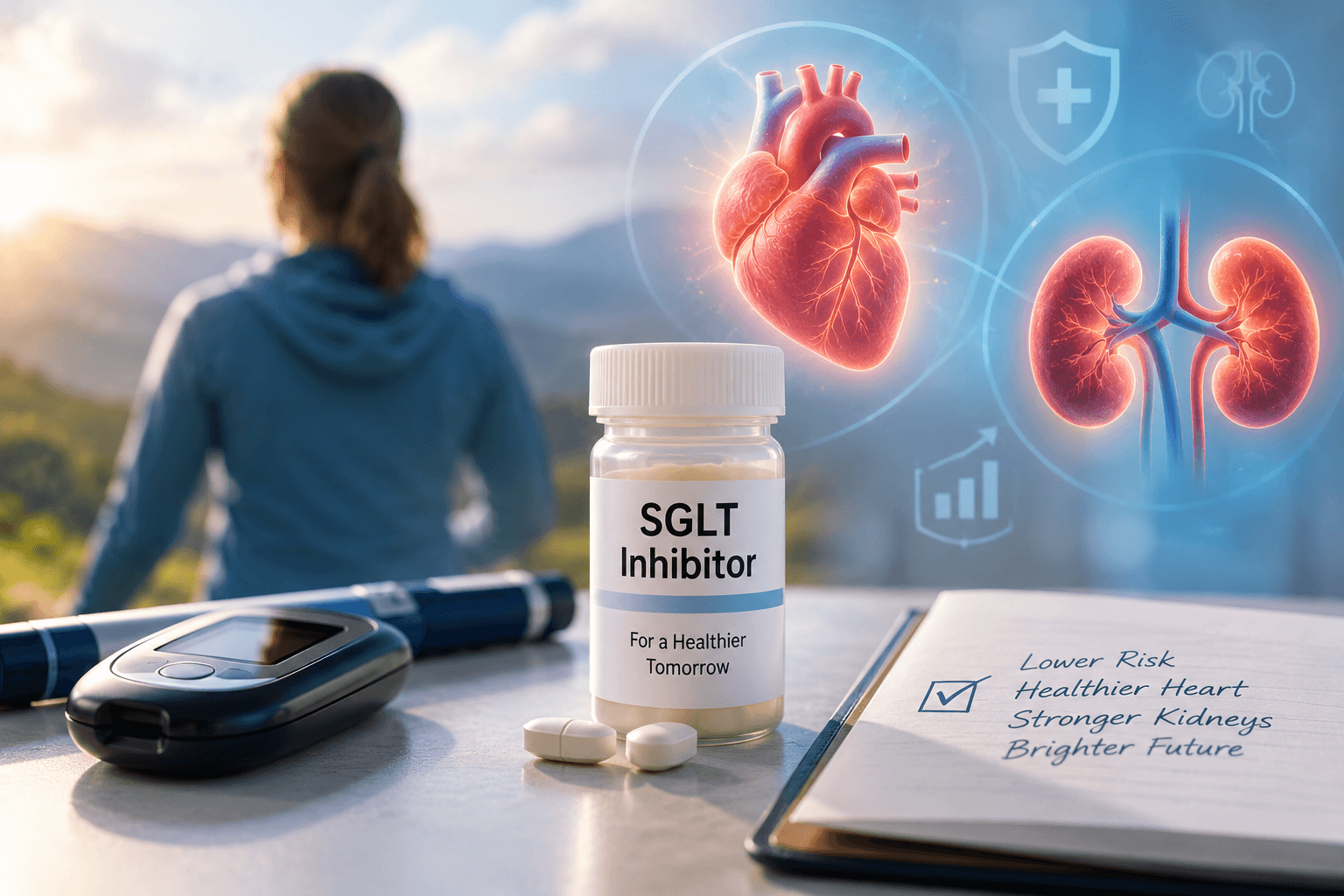
SGLT inhibitors have changed the treatment landscape for cardiovascular and kidney disease, particularly in people with type 2 diabetes, heart failure, and chronic kidney disease. That success raises an obvious question: why are SGLT inhibitors in type 1 diabetes still largely outside routine clinical practice? The answer is not a …
Read More »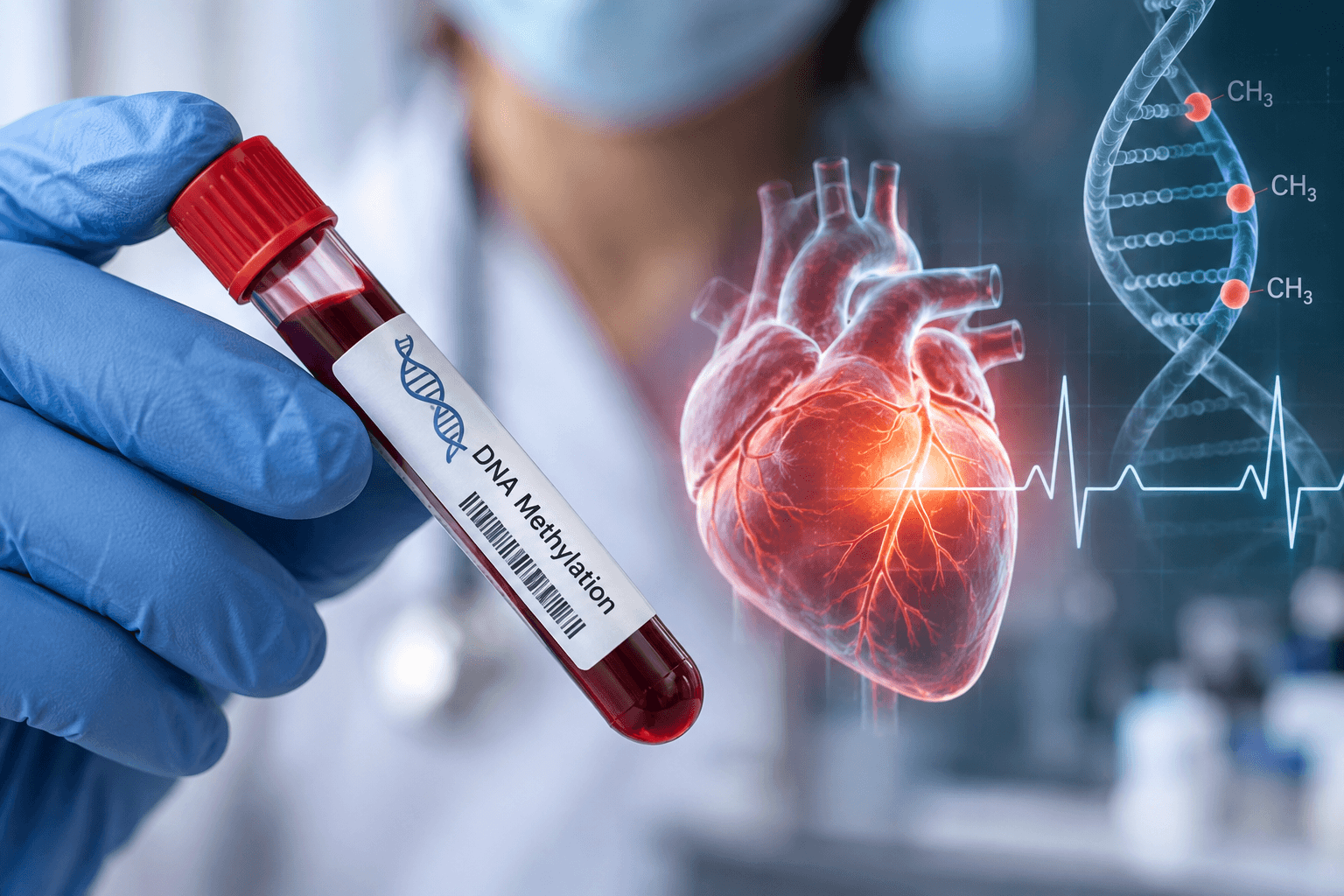
Could a routine blood sample someday reveal cardiovascular danger that cholesterol, blood pressure, and HbA1c do not fully capture? New research suggests that epigenetic cardiovascular risk prediction could offer a new way to identify people with type 2 diabetes who face a higher short-term risk of major cardiovascular events. Instead …
Read More »
GLP-1 receptor agonists have transformed the treatment of type 2 diabetes, but their effects on gastrointestinal motility remain an important clinical consideration. Opioids can also slow gastrointestinal function, raising an obvious question: what happens when patients need both? New research examining GLP-1 and opioid interactions suggests that opioid choice may …
Read More »