 Diabetes In Control. A free weekly diabetes newsletter for Medical Professionals. News and information for Medical Professionals.
In this week's Homerun Slides, we begin a review of the new Eversense CGM system.
Read More »Eversense CGM System Part 1
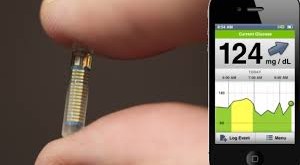

In this week's Homerun Slides, we begin a review of the new Eversense CGM system.
Read More »
The diabetic spectrum: Diabetes is a group of metabolic diseases characterized by hyperglycemia resulting from defects in insulin secretion, insulin action, or both. The chronic hyperglycemia of diabetes is associated with long-term damage, dysfunction, and failure of different organs, especially the eyes, kidneys, nerves, heart, and blood vessels.
Read More »
Even as 2nd-line drugs, sulfonylureas shown to be cardiotoxic with high rate of low blood glucose
Read More »
Patients who have normoglycemia still at risk for glucose spikes and diabetes.
Read More »
Study investigates preservation or improvement of B-cell function using metformin with or without short-term insulin.
Read More »
Guest Post by David Kliff, Editor, Diabetic Investor
This weekend, the most dedicated people in diabetes will gather in Baltimore for the AADE conference. Year after year, these amazing people gather to see all the latest toys in the toy chest, learn about all the new drugs, and share insights into how they are impacting the lives of the patients they work with.

Would you be more open to prescribing a GLP-1 Inhibitor if there was an oral product rather than an injectable? Follow the link to share your opinion and see what your colleagues think.
Read More »
According to a recent study, frequently consuming meat, poultry, or fish cooked at high temperatures increases the risk for hypertension by how much?
A. 11%
B. 17%
C. 23%
D. 25%
E. 38%
Follow the link for the answer.
Read More »
Teach patients what DKA is and how to prevent it. Include in your teaching that glucose can be normal or only slightly elevated and it can still happen. Teach that having an illness and/or dehydration increases this risk.
Read More »
In this week's Homerun Slides, the conclusion of the pathophysiology of type 1 diabetes with the side effects of insulin and treating hypoglycemia.
Read More »