Jul 31, 2018
Disasters Averted, Pediatrics, Type 1 Diabetes
3,322 views
This summer I had the opportunity as a student pharmacist to attend a camp for youth with type 1 diabetes (T1D) and assist as a member of the medical staff. We spent the first few days setting up, going over camp procedures and policies, and preparing for arrival of the campers. This was my first time helping at such an event, and my expectations of how deeply the camp experience would impact the lives of the campers (and myself included!) were greatly exceeded.
Read More »
Jul 31, 2018
Clinical Presentations, Insulin Therapy Center, Type 1 Diabetes
3,886 views
In this week's Homerun Slides, insulin initiation and a comparison of pharmacokinetic and pharmacodynamic insulins.
Read More »
Jul 31, 2018
Clinical Presentations
3,563 views

Cellular mechanisms of insulin resistance: The cellular events via which insulin initiates its stimulatory effect on glucose metabolism start with binding of the hormone to specific receptors that are present on the cell surface of all insulin target tissues. After insulin has bound to and activated its receptor, “second messengers” are generated and these second messengers activate a cascade of phosphorylation-dephosphorylation reactions that result in stimulation of intracellular glucose metabolism. The first step in glucose utilization involves activation of the glucose transport system, leading to glucose influx into insulin target tissues, primarily muscle. The free glucose, which has entered the cell, subsequently is metabolized by a series of enzymatic steps that are under the control of insulin. Of these, the most important are glucose phosphorylation (catalyzed by hexokinase), glycogen synthase (which controls glycogen synthesis), and phosphofructokinase (PFK) and PDH (which regulate glycolysis and glucose oxidation, respectively).
Read More »
Jul 28, 2018
Articles, Cardiology, Pediatrics, Prediabetes
9,405 views
Getting diabetes in our later years increases risk for CVD, but getting diabetes or prediabetes as a youth increases risk for CVD and death dramatically.
Read More »
Jul 28, 2018
Articles, Oncology, Type 2 Diabetes
5,035 views
New study shows that within the first two years of a diagnosis of cancer, the risk for type 2 diabetes increases.
Read More »
Jul 28, 2018
Articles, Devices
11,195 views
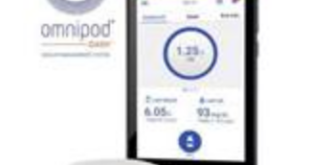
The Omnipod Dash™ device approved for commercialization and release in the U.S. by mid-2018.
Read More »
Jul 28, 2018
Articles, Blood Glucose Control, Exercise
4,049 views
Addition of glucagon prevents exercise-induced hypoglycemia.
Read More »
Jul 28, 2018
Articles, Devices
9,030 views
Guest Post by David Kliff, Editor, Diabetic Investor
With each passing day, it’s becoming more apparent that CGM will replace BGM as the standard for glucose measurement. CGM systems are becoming more patient-friendly, i.e. no calibrations, simple insertion, and cheaper too. The data provided by CGM is transformative, leading to improved outcomes. It is no longer a question of if this will happen but when this will happen.
Read More »
Jul 28, 2018
Polls
2,378 views
Would you be open to using a CGM for your type 2 patients who are not on insulin? Follow the link to share your response.
Read More »
Jul 28, 2018
Test Your Knowledge
2,136 views
Which one of the following is NOT associated with increased Alzheimer's disease risk?
A. Diabetes mellitus
B. Statin use
C. High hemoglobin levels
D. Lower social engagement
Follow the link for the answer.
Read More »
 Diabetes In Control. A free weekly diabetes newsletter for Medical Professionals. News and information for Medical Professionals.