In this week’s Homerun Slides, the breakdown of the different CGM categories. To download the complete set in PowerPoint format, just use this link: New CGM Categories and Technologies Part 2. Catch up on past Homerun Slides for New CGM Categories and Technologies: New CGM Categories and Technologies Part 1.
Read More »Production Assistant, Diabetes In Control
International Textbook of Diabetes Mellitus, 4th Ed., Excerpt #159: Immunopathogenesis of Type 1 Diabetes in Western Society Part 2
Genetic predisposition is an important component of the multifactorial pathogenesis of T1DM. Although often diagnosed in individuals with no known family history of T1DM, the disease is about 15 times more common in siblings of a patient than in the general population. Siblings have an average risk of 6%, although individual risk varies significantly in relation to the extent of sharing predisposing genes with the proband, which allele variants are shared, and other factors. The risk to the offspring of affected mothers and fathers is about 2–3% and 6–7%, respectively. Among twins, the observed disease concordance rates are approximately 8–10% in dizygotic twins and, with extended follow-up, more than 60% in monozygotic twins.
Read More »Common Diabetes Drugs Linked to Higher Risk of Heart Attack and Stroke
Even though most diabetes drugs can help in managing blood sugar levels, they can also be detrimental to the heart.
Read More »Association Between Use of Sodium Glucose Cotransporter 2 Inhibitors and Serious Adverse Effects
Study findings warrant cautious consideration and discussions about risk vs benefit when considering therapy.
Read More »Time In Range Associated With Diabetic Retinopathy
Study compares enhanced patient care experience with standard shared medical appointments to determine if a significant benefit will result.
Read More »CGM for the Less-Intensive Patient Population
Guest Post by David Kliff, Editor, Diabetic Investor
Although we haven’t gotten there just yet, it’s no longer a question of if type 2’s start using CGM, but when they do and how they use it. CGM is not like an insulin pump when it comes to having a finite market size. CGM is a valuable tool regardless of whether the patient uses insulin.
Antihyperglycemic Therapy
John S. is a 63-year-old Caucasian man with significant abdominal obesity, type 2 diabetes, hypertension, and dyslipidemia as well. On the basis of an exercise stress test, John was recently diagnosed with silent ischemia. John’s current medications include metformin, a DPP-4 inhibitor, an ACE inhibitor/HCTZ agent, a calcium channel blocker, a high-dose statin, and ezetimibe. John’s relevant physical exam and laboratory findings are as follows:
BMI 34.8 kg/m2
Blood pressure 140/86 mm Hg
HbA1C 7.2%
Total cholesterol 150 mg/dL
LDL-C 79 mg/dL
HDL-C 42 mg/dL
Triglycerides 145 mg/dL
non-HDL-C 118 mg/dL
eGFR 65 mL/min/1.73 m2
ACR 100 mg albumin/g creatinine
You explain John’s options for antihyperglycemic therapy. Which of the following answers most accurately describes the extraglycemic benefits of the different options?
A. The GLP-1 receptor agonists may improve endothelial function and reduce infarct size and the SGLT2 inhibitors are likely to improve arterial blood flow.
B. The DPP-4 inhibitors are not safe for people with cardiovascular disease, while the proven cardiovascular benefits of GLP-1 receptor agonists are consistent across the class.
C. DPP-4 inhibitors and SGLT2 inhibitors both reduce blood pressure, which accounts for their similar effects on heart failure.
D. The cardiovascular benefits of both the GLP-1 receptor agonists and SGLT2 inhibitors derive mainly from their effects on weight.
Follow the link for the answer.
Read More »Pump Preference
Which insulin pump do you prefer for most of your patients? Medtronic, Tandem, or Omnipod? Follow the link to share your opinion.
Read More »Diabetes Advisor
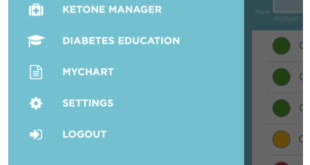
Children's Health Diabetes Advisor provides children and families with diabetes a mobile resource to complement the diabetes education programs at Children's Health System of Texas (CHST), providing a one stop source for an Education library and Ketone Manager.
Read More »New CGM Categories and Technologies Part 1
In this week's Homerun Slides, the benefit of introducing CGM early in a diabetes diagnosis.
Read More »
Diabetes In Control. A free weekly diabetes newsletter for Medical Professionals. News and information for Medical Professionals.