 Diabetes In Control. A free weekly diabetes newsletter for Medical Professionals. News and information for Medical Professionals.
SLE (Stressful Life Events) experienced by child during first 14 years of life associated with higher risk of diabetes… Genetic and environmental factors are involved in the development of type 1 diabetes. Multiple environmental factors have been studied, such as viral infections, dietary habits in infancy, birthweight, early weight gain, …
Read More »Diabetes In Control

HBV Vaccine Unaffected by Type 2 Diabetes
But vaccine still recommended for diabetes patients due to increased risk of disease… Information presented at the Annual Conference on Vaccine Research states there is no statistical evidence that type 2 diabetes affects the hepatitis B vaccine (HBV). The committee also added that patients aged 19 to 59 who are …
Read More »Maternal Diabetes and the Risk of Autism Spectrum Disorders in Offspring
Early screening in mothers with diabetes may be help to reduce ASD risk in children…
Read More »Fasting At Night Lowers Risk of Breast Cancer and Diabetes
Individuals should avoid eating snacks at night because this could increase the risk of developing diabetes and breast cancer, according to a new study. Women had a 20% lower risk of developing hyperglycemia for every three hours of fasting at night, which could be a strategy to reduce the risk …
Read More »Diabetes Risk Higher Among Indians in India Than US
Asian Indians who live in the U.S. have a 20% higher prevalence of having prediabetes than those residing in India, but Indian residents have a 50% higher prevalence of type 2 diabetes compared with those in the U.S. The cross-sectional analyses, involved Asian Indians enrolled in the Centre for Cardiometabolic …
Read More »Type 2 Diabetes Screening Doesn’t Lower Mortality Rates
After 10 years of follow-up, type 2 diabetes screening is not associated with improved mortality rates. The investigators conducted a systematic literature review using data from Cochrane databases and MEDLINE, and relevant studies from previous task force reviews. Screening for diabetes correlated with no 10-year mortality benefit versus no screening …
Read More »Glucose Sensing Contact Lens
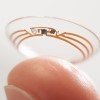
Google gets the patent on a system that would likely contain a couple of parts: the contact lens, which would sense glucose levels; a "reader" device, which would communicate and power the contact lens; and a user display, where the reader and user display could be on the same …
Read More »Practical Diabetes Care, 3rd Ed., Excerpt #16: Diabetic Renal Disease Part 5 of 5

David Levy, MD, FRCP Renal replacement therapy The decision to start dialysis is often difficult. The clinical decision is based on many factors, including the presence of uremic symptoms and weight loss, and biochemical measurements including serum creatinine (e.g. serum creatinine 700–800 μmol/L(small mu), eGFR < 12–14 mL/min, falling albumin, hyperkalemia). …
Read More »Practical Diabetes Care, 3rd Ed., Excerpt #15: Diabetic Renal Disease Part 4 of 5
David Levy, MD, FRCP Other management problems in diabetic nephropathy Glycemic control Once nephropathy is established, good control of blood pressure and lipids is probably more important than glycemic control. Observational studies abound and show that, for example, patients with advanced renal failure entering renal replacement programmes survive longer with a …
Read More »Practical Diabetes Care, 3rd Ed., Excerpt #14: Diabetic Renal Disease Part 3 of 5
David Levy, MD, FRCP Management of diabetic nephropathy Investigations Mid-stream urine if leucocytes on routine urinalysis. Renal tract ultrasound scan: a. Normal renal length is about 11 cm, correlating weakly with height and BMI; it is about 10 cm in South Asian and oriental subjects. Kidneys are large in the poorly …
Read More »