 Diabetes In Control. A free weekly diabetes newsletter for Medical Professionals. News and information for Medical Professionals.
We have been at the AACE meeting in Nashville, and the information presented was overwhelming to say the least. Between Steve, Joy, and I we interviewed over 40 thought leaders, practitioners, and researchers so that we can bring you the best of their knowledge. Rather than rush these top professionals, …
Read More »Diabetes In Control

Asking the Question: “Are You Wearing Your CPAP?”
A male patient, 56 years of age, with type 2 diabetes, hypertension, congestive heart failure, and sleep apnea visited. We hadn’t seen him for 6 months. His blood pressure was up, in the 140-160/90–102 range, glucose levels were higher than his targets, he was gaining weight, and continually complaining of …
Read More »Joseph Houmard, PhD: Communicating the Benefits of Physical Activity

Dr. Joe Houmard continues his discussion of the benefits of physical activity and emphasizes that, when communicating with patients, it’s especially important to tell them not to rely on a scale for results, especially if they are just starting out. One important aspect that a scale will not show is …
Read More »ADA 2015 Guidelines, Part 4
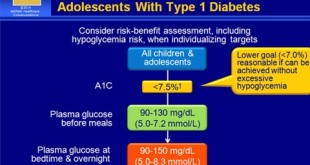
In this week’s Homerun Slides, we continue with the 2015 ADA Guidelines with slides on: CHD Screening and Treatment, Nephropathy Screening and Treatment, Diabetes Care in Older Adults, and Glycemic Targets for Children and Adolescents with Type 1 Diabetes…. To download the complete set of slides in PowerPoint (.ppt) format, just …
Read More »Circulating Progenitor Cells Predict Microvascular Outcomes in Type 2 Patients
A low CD34+ count also diminished the protective effects of ACE inhibitors/ARBs on microalbuminuria progression… Low circulating progenitor cells have been shown to predict future cardiovascular events and mortality in patients with CKD and low levels in diabetic patients may indicate microvascular complications. Diabetes lowers the levels of circulating and …
Read More »Fish Oil May Help with Diabetic Neuropathy
Omega-3 fatty acids in found to improved nerve damage in mice with type 1 and type 2… Approximately 50 percent of patients with diabetes suffer from nerve damage, or neuropathy. No cure exists, and the most effective treatment, keeping blood sugar in control, only slows neuropathy. But a new study …
Read More »Alzheimer’s and Diabetes Linked?
Elevated blood glucose caused increase in amyloid beta leveles in the brain… While many earlier studies have pointed to diabetes as a possible contributor to Alzheimer’s, the new study – in mice – shows that elevated glucose in the blood can rapidly increase levels of amyloid beta, a key component …
Read More »Is Diet or Exercise the Best Way to Reduce Diabetes Risk?
Researchers study effects of calorie restriction and physical activity as separate and combination weight-loss methods… In a new study, Saint Louis University associate professor of nutrition and dietetics Edward Weiss, Ph.D, and colleagues found that, though people often think of the benefits from exercise, calorie restriction and weight loss as …
Read More »Using a Grocery List Linked to Better BMI
Study finds low-income shoppers who used list made higher quality food choices and had lower body weight…
Read More »Vitamin D Supplements May Help Patients Lose Weight
Italian study suggests that a daily pill may boost dieting efforts in those already low in the nutrient…
Read More »