3 weeks ago
Articles, Gestational Diabetes, Physical Activity, Prevention, Type 2 Diabetes, Type 2 Diabetes, Women's Health
685 views
Diabetes prevention remains important long after a pregnancy affected by gestational diabetes. For people who have had gestational diabetes, the years after delivery are an important window for lowering the risk of Type 2 diabetes. Yet healthy choices do not happen in a vacuum. Where someone lives may affect whether …
Read More »
3 weeks ago
Articles, Blood Glucose Control, Blood Glucose Control, Cardiology, Type 2 Diabetes, Type 2 Diabetes
3,639 views
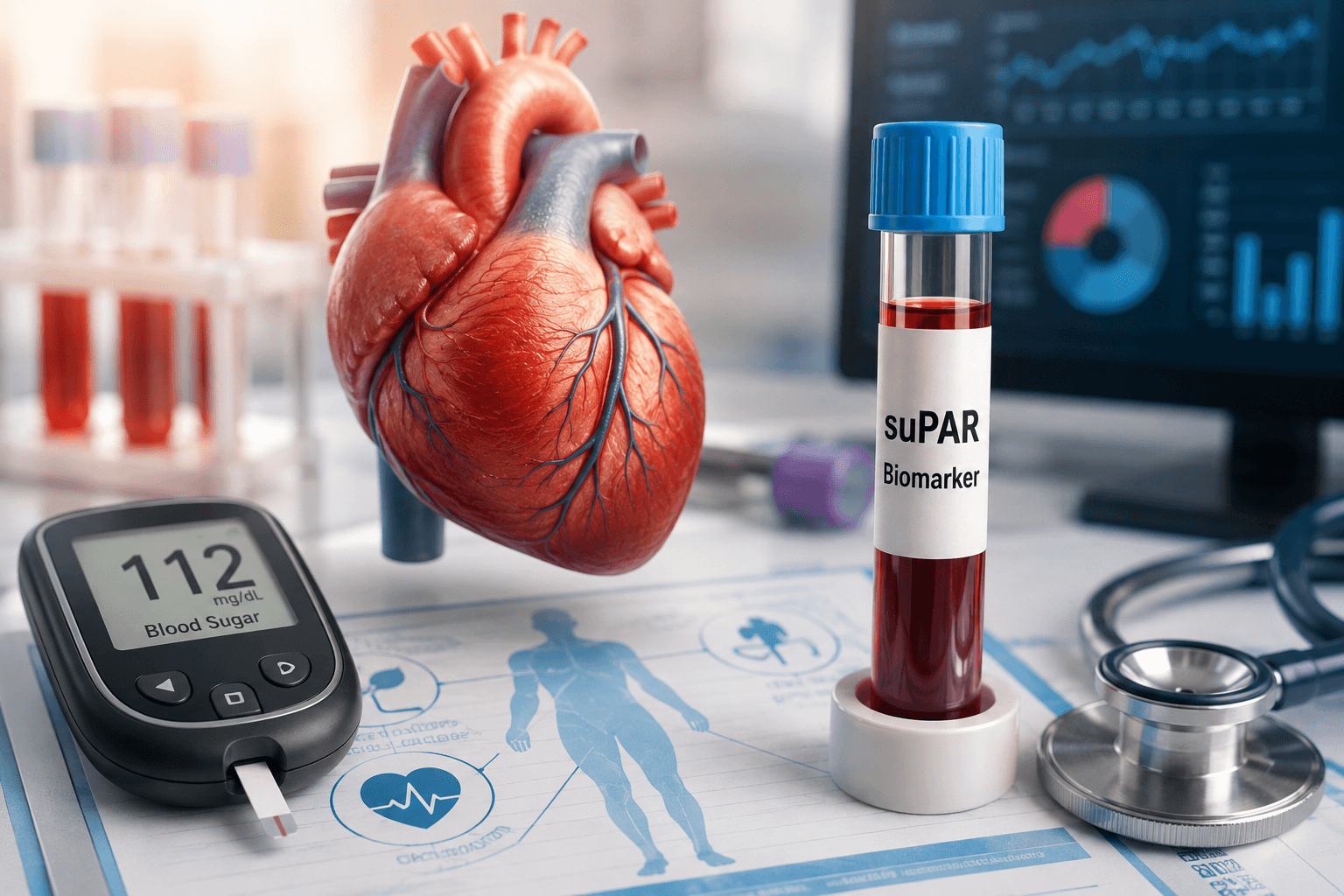
People with type 2 diabetes can face substantial cardiovascular risk even when clinicians address familiar risk factors such as LDL cholesterol, blood pressure, smoking, and blood glucose. Could another blood marker help reveal some of the risk that remains? Emerging research on the suPAR biomarker in diabetes suggests it may …
Read More »
4 weeks ago
Articles, Cardiology, Diabetes, Therapies, Type 2 Diabetes, Type 2 Diabetes
1,547 views
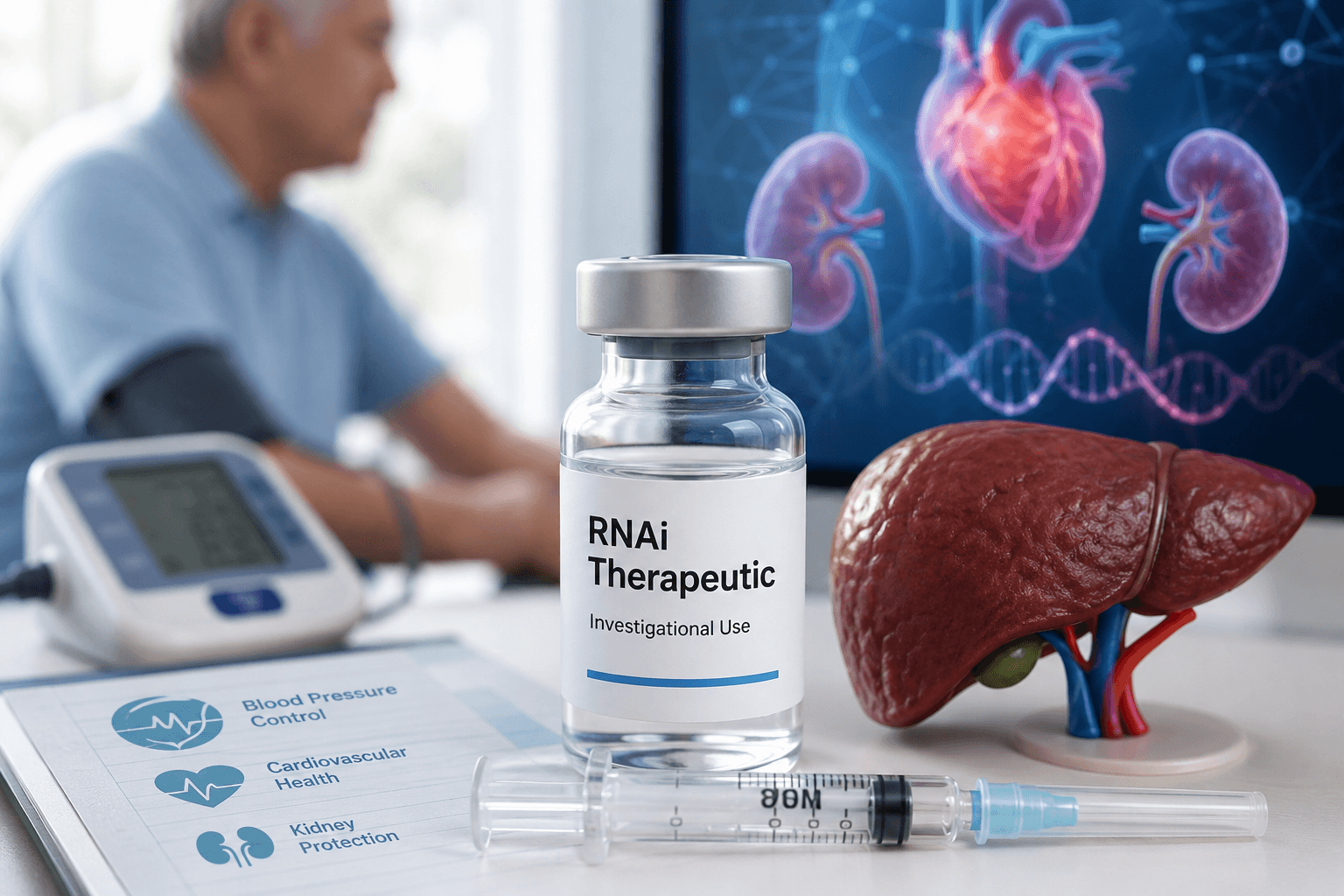
Poor medication persistence remains one of the hardest barriers to long-term blood pressure control. For people with diabetes, the stakes are especially high because hypertension adds to cardiovascular and kidney risk. Now, research into RNAi for hypertension in people with diabetes is raising an intriguing possibility: could an injection given …
Read More »
Aug 21, 2026
Articles, Blood Glucose Control, Blood Glucose Control, Diabetes, Exercise, Physical Activity, Type 2 Diabetes, Type 2 Diabetes
1,019 views
Finding time for a full workout can be difficult, but what if two minutes of movement still mattered? Emerging research on exercise snacking for diabetes suggests that brief bursts of activity spread throughout the day may reduce post-meal glucose excursions and limit some metabolic effects of prolonged sitting. Instead of …
Read More »
Aug 20, 2026
Articles, Blood Glucose Control, Blood Glucose Control, Diabetes, Diet and Nutrition, Type 2 Diabetes, Type 2 Diabetes
688 views
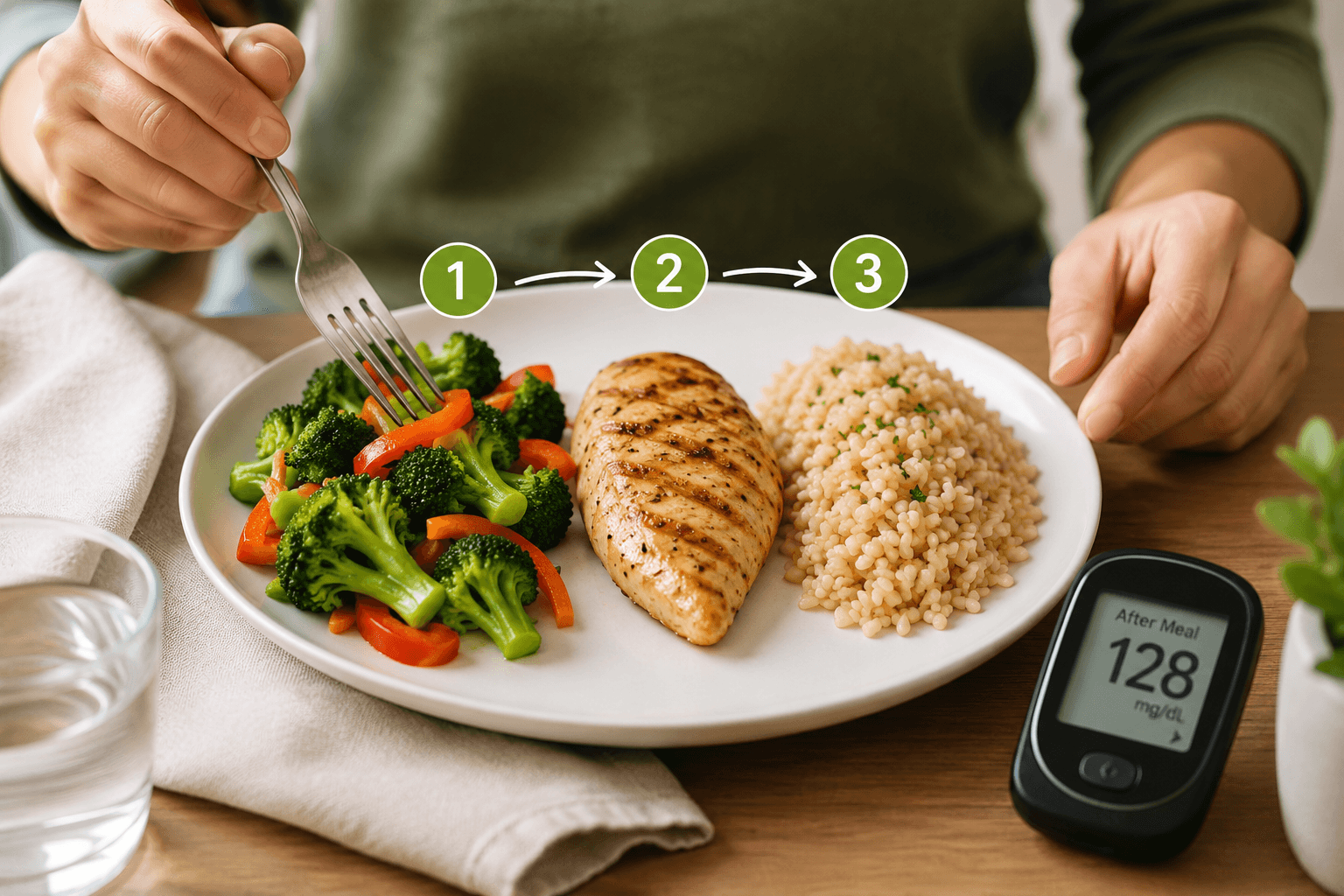
Could changing the order of foods on your plate improve blood sugar without changing what you eat? Research on food sequencing for diabetes suggests it may. Eating vegetables, fiber-rich foods, and protein before carbohydrate-rich foods can reduce post-meal glucose rises in some people. Rather than removing rice, bread, pasta, or …
Read More »
Aug 12, 2026
Articles, Blood Glucose Control, Blood Glucose Control, Diabetes, Exercise, Physical Activity, Therapies, Type 2 Diabetes, Type 2 Diabetes
715 views
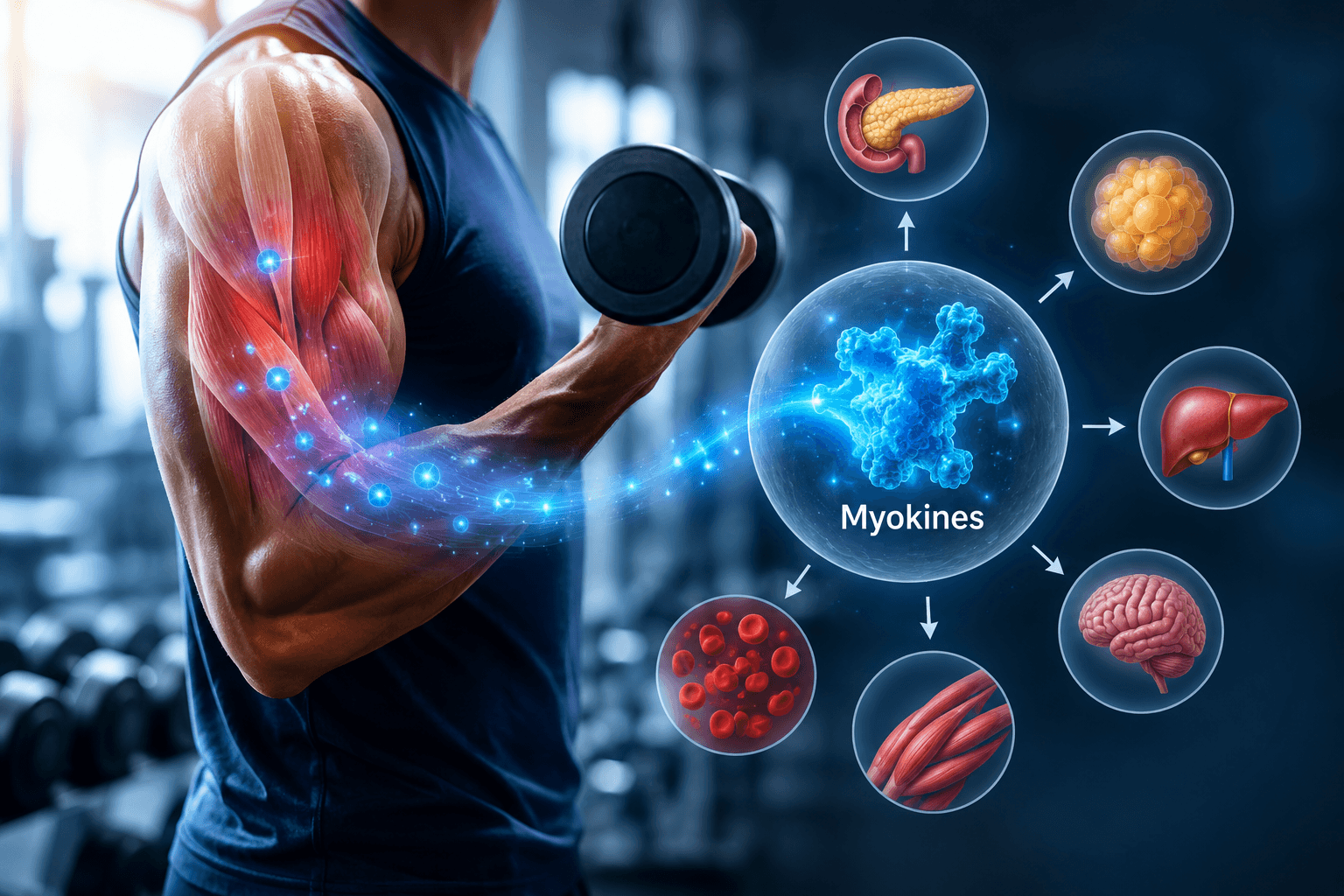
What if scientists could capture some of the metabolic benefits of exercise in a medicine? Research into the connection between myokines and diabetes is bringing that possibility closer to serious scientific discussion. When skeletal muscles contract, they do more than move the body. They release signaling molecules called myokines that …
Read More »
Aug 11, 2026
Articles, Diabetes, Gastroenterology, GLP-1 Agonist Therapy Center, Metformin Therapy Center, Type 2 Diabetes, Type 2 Diabetes
940 views
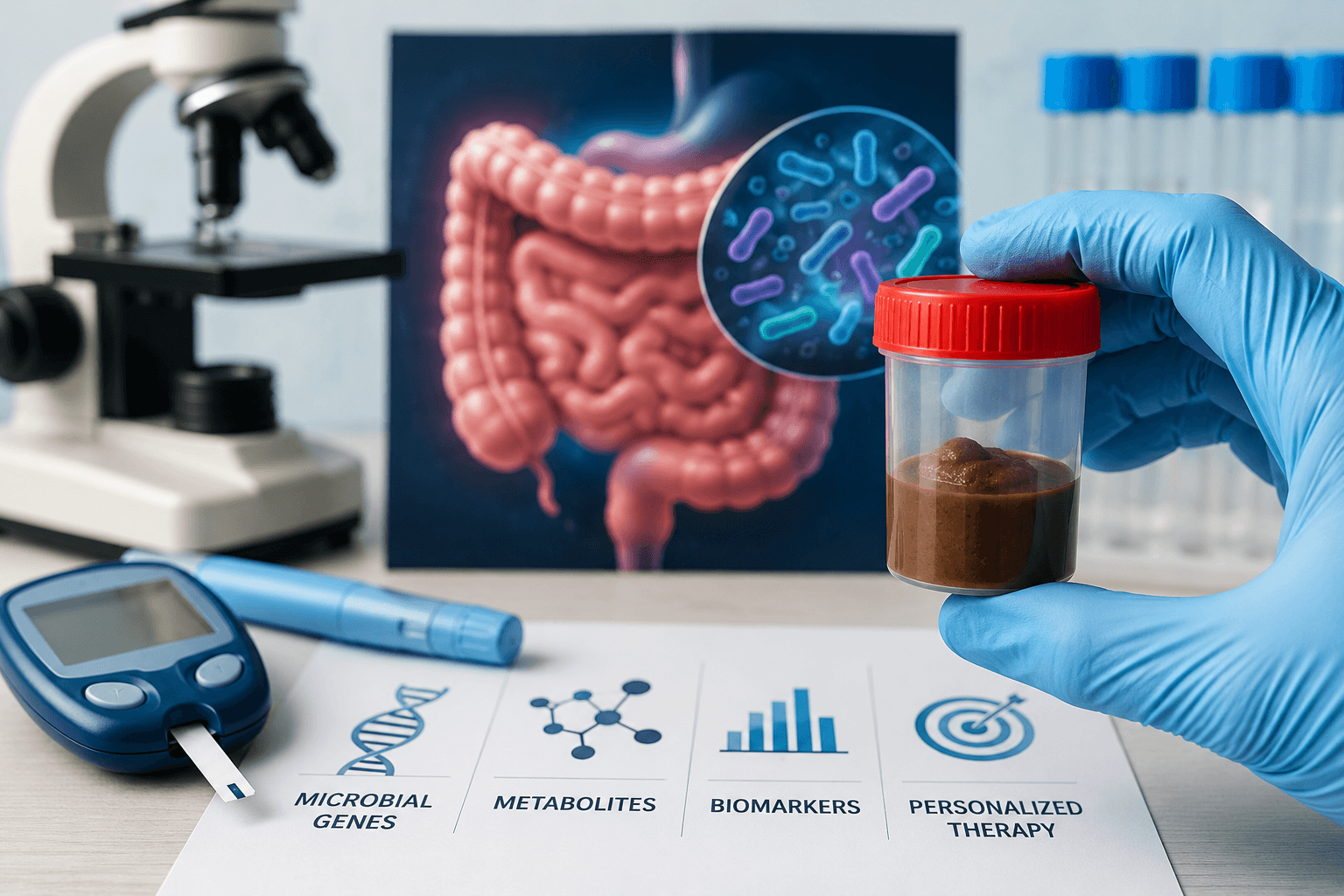
Could a stool sample someday help clinicians choose a diabetes medication before writing the prescription? Emerging research into gut biomarkers in diabetes is moving that possibility closer to clinical reality. Rather than simply cataloging which bacteria live in the intestine, researchers are examining microbial genes, stool-derived metabolites, and functional signatures …
Read More »
Aug 6, 2026
Articles, Cardiology, Diabetes, Neuropathy & Pain, Therapies, Type 2 Diabetes, Type 2 Diabetes
1,308 views
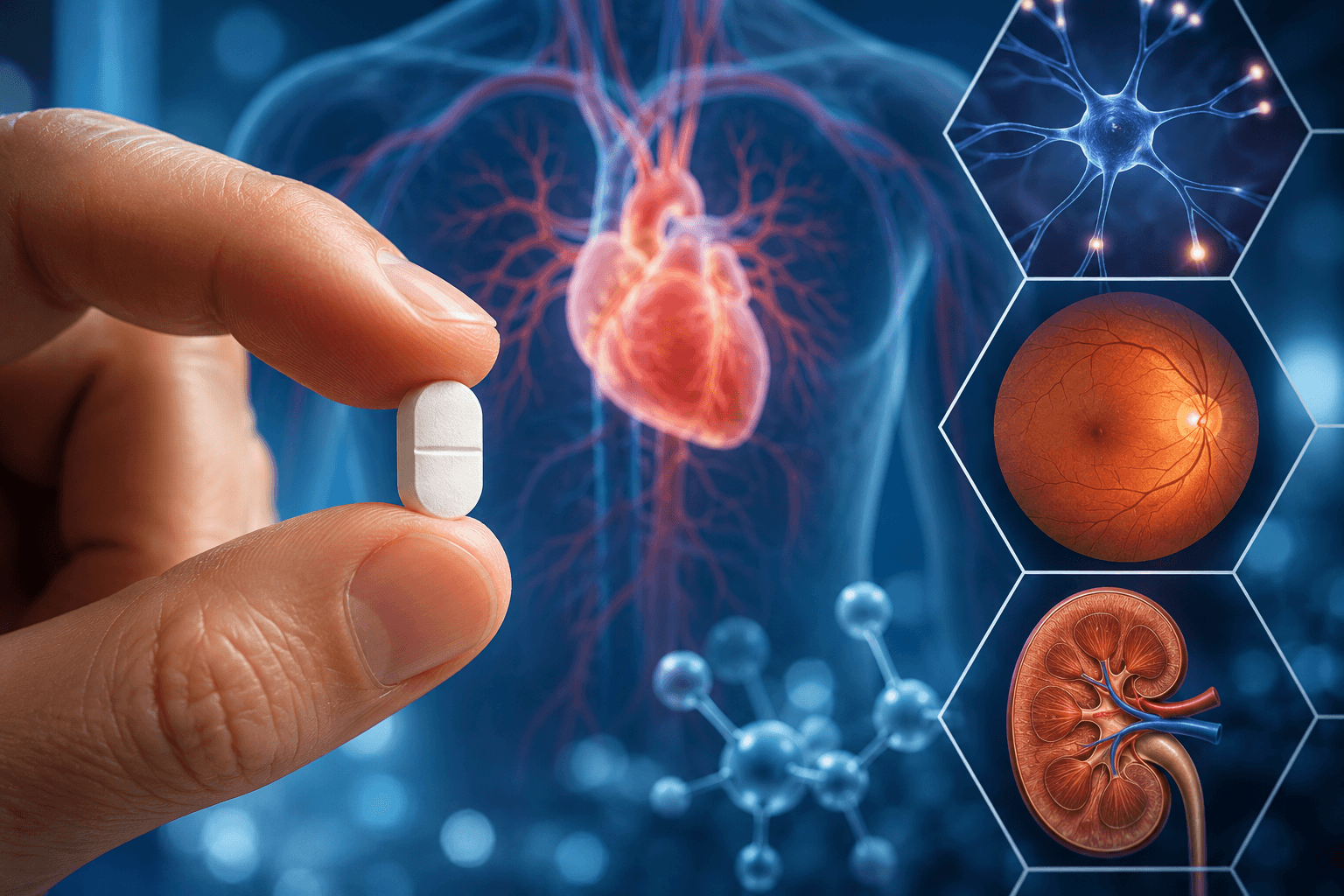
Diabetes care has advanced dramatically over the past decade. While therapies such as GLP-1 receptor agonists and SGLT2 inhibitors have transformed glucose management and cardiovascular outcomes, many patients continue to develop long-term complications. Could an older therapeutic target finally provide the missing piece? Interest in aldose reductase inhibitors for diabetes …
Read More »
Aug 5, 2026
Articles, Blood Glucose Control, Blood Glucose Control, Diabetes, Therapies, Type 2 Diabetes, Type 2 Diabetes
929 views
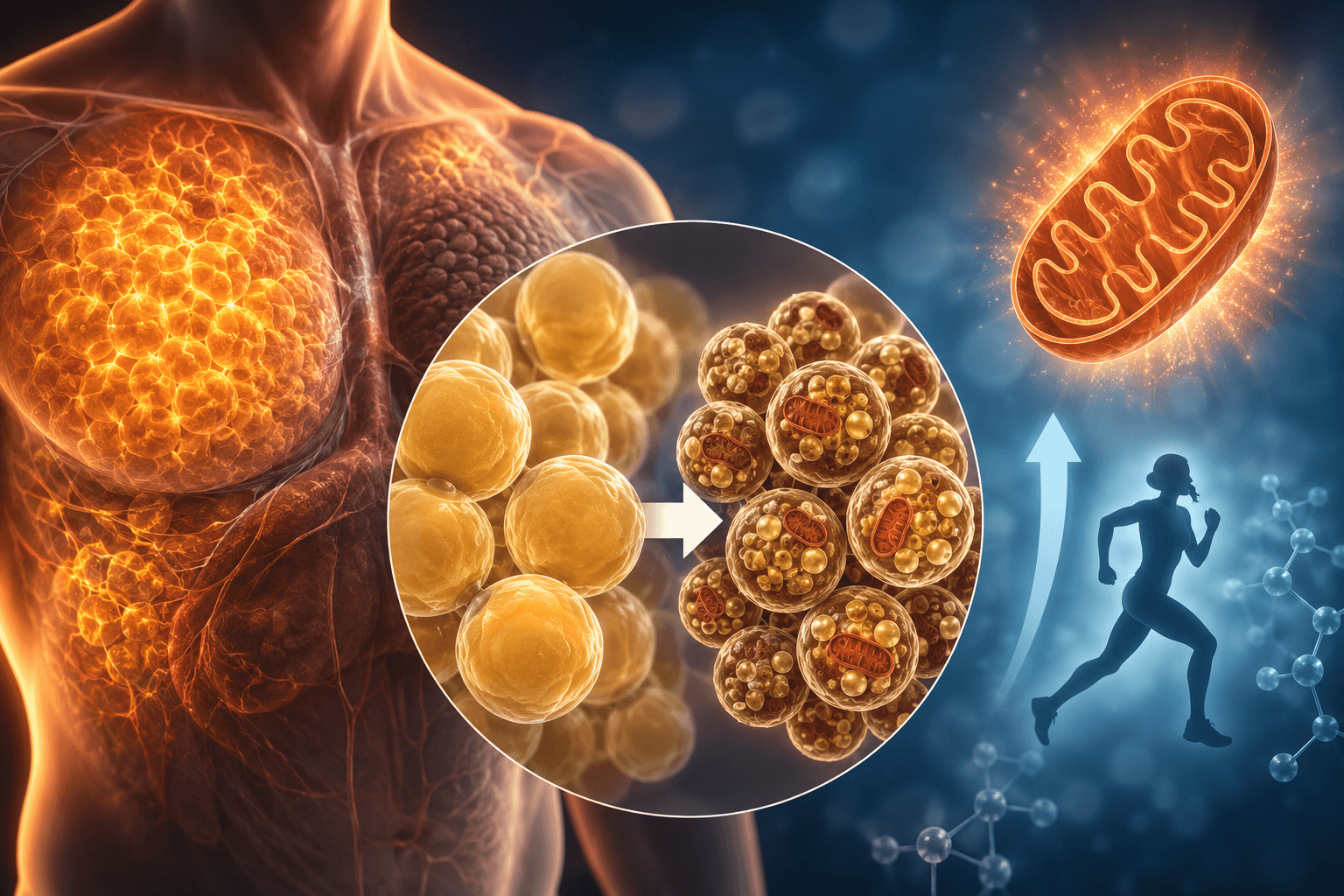
For decades, diabetes research has focused on protecting insulin-producing beta cells or replacing those that have been lost. However, scientists are now exploring a completely different strategy. Instead of repairing the pancreas, researchers are investigating whether the body’s own fat can become a powerful tool for improving glucose control. This …
Read More »
Aug 4, 2026
Articles, Blood Glucose Control, Blood Glucose Control, Diabetes, Prevention, Type 1 Diabetes, Type 1 Diabetes, Type 2 Diabetes, Type 2 Diabetes
1,937 views
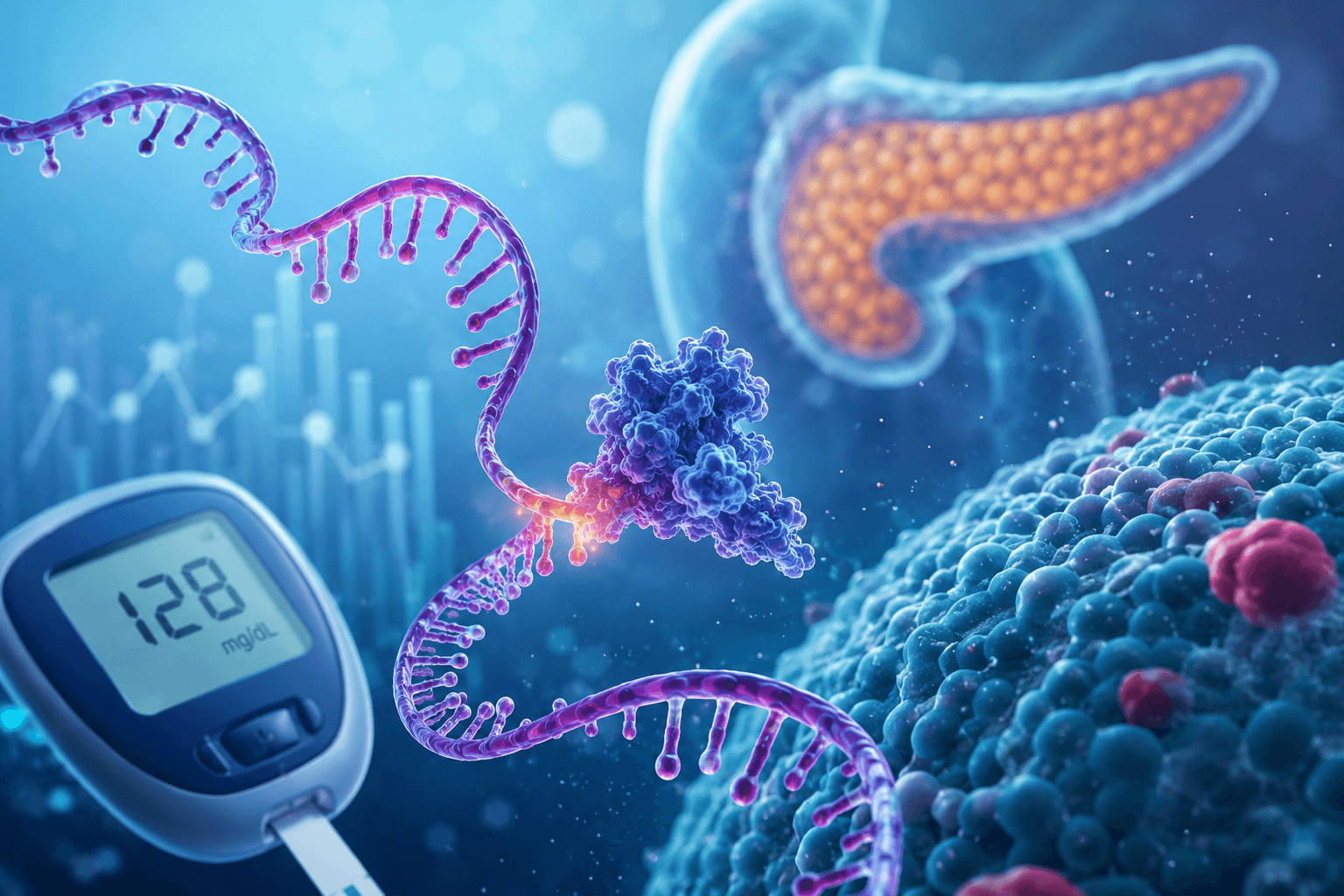
Diabetes research is moving beyond blood sugar measurements and insulin therapy into an exciting new frontier. One of the most promising areas involves microRNAs, tiny RNA molecules that quietly regulate hundreds of genes throughout the body. Although they are microscopic, their influence on insulin production, inflammation, and blood vessel health …
Read More »
 Diabetes In Control. A free weekly diabetes newsletter for Medical Professionals. News and information for Medical Professionals.