5 days ago
Articles, Blood Glucose Control, Blood Glucose Control, Devices, Diabetes, Nephrology, Type 2 Diabetes, Type 2 Diabetes
1,475 views
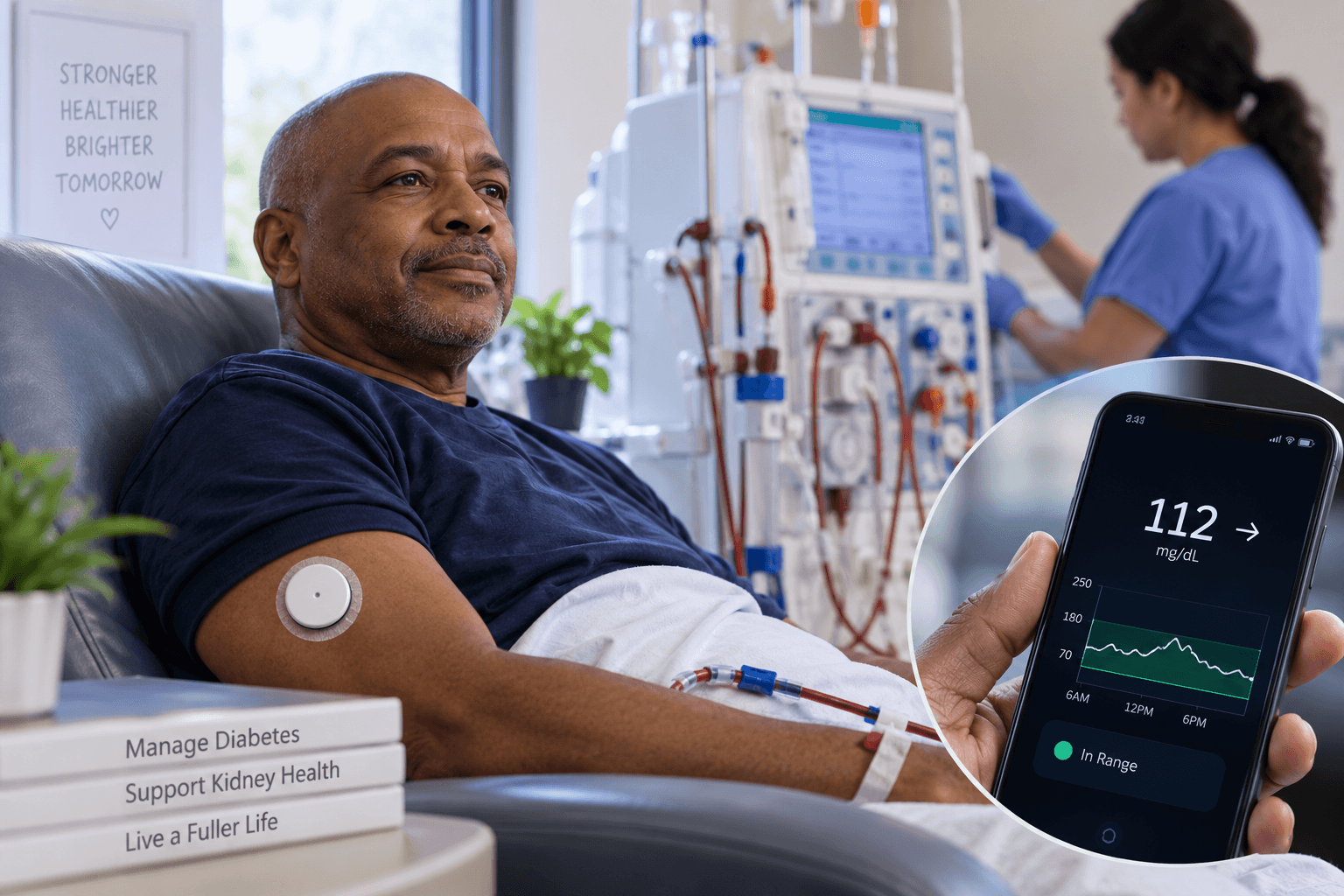
Managing glucose is rarely simple for people with Type 2 diabetes who receive maintenance hemodialysis. Dialysis can change glucose patterns, insulin needs, and the reliability of familiar measures such as A1C. As a result, clinicians may have an incomplete picture when making treatment decisions. New randomized research on CGM use …
Read More »
6 days ago
Articles, Blood Glucose Control, Blood Glucose Control, Diabetes, Type 2 Diabetes, Type 2 Diabetes
887 views
A1C is one of the most useful tools in diabetes care, but it has an important limitation: it takes time to reflect change. Could a faster-moving marker help clinicians know sooner whether treatment is working? New randomized research on glycated albumin in diabetes offers an intriguing answer. Glycated albumin reflects …
Read More »
3 weeks ago
Articles, Blood Glucose Control, Blood Glucose Control, Devices, Diabetes, Prevention, Safety, Type 1 Diabetes, Type 1 Diabetes
2,017 views
Continuous glucose monitoring has changed how clinicians and people with diabetes think about glucose control. Yet the next question is more important than whether CGM improves A1C or Time in Range. Can it prevent events that send patients to the emergency department or hospital? Growing evidence suggests that CGM may …
Read More »
Aug 18, 2026
Articles, Blood Glucose Control, Blood Glucose Control, Dermatology, Devices, Diabetes, Prevention, Safety
884 views
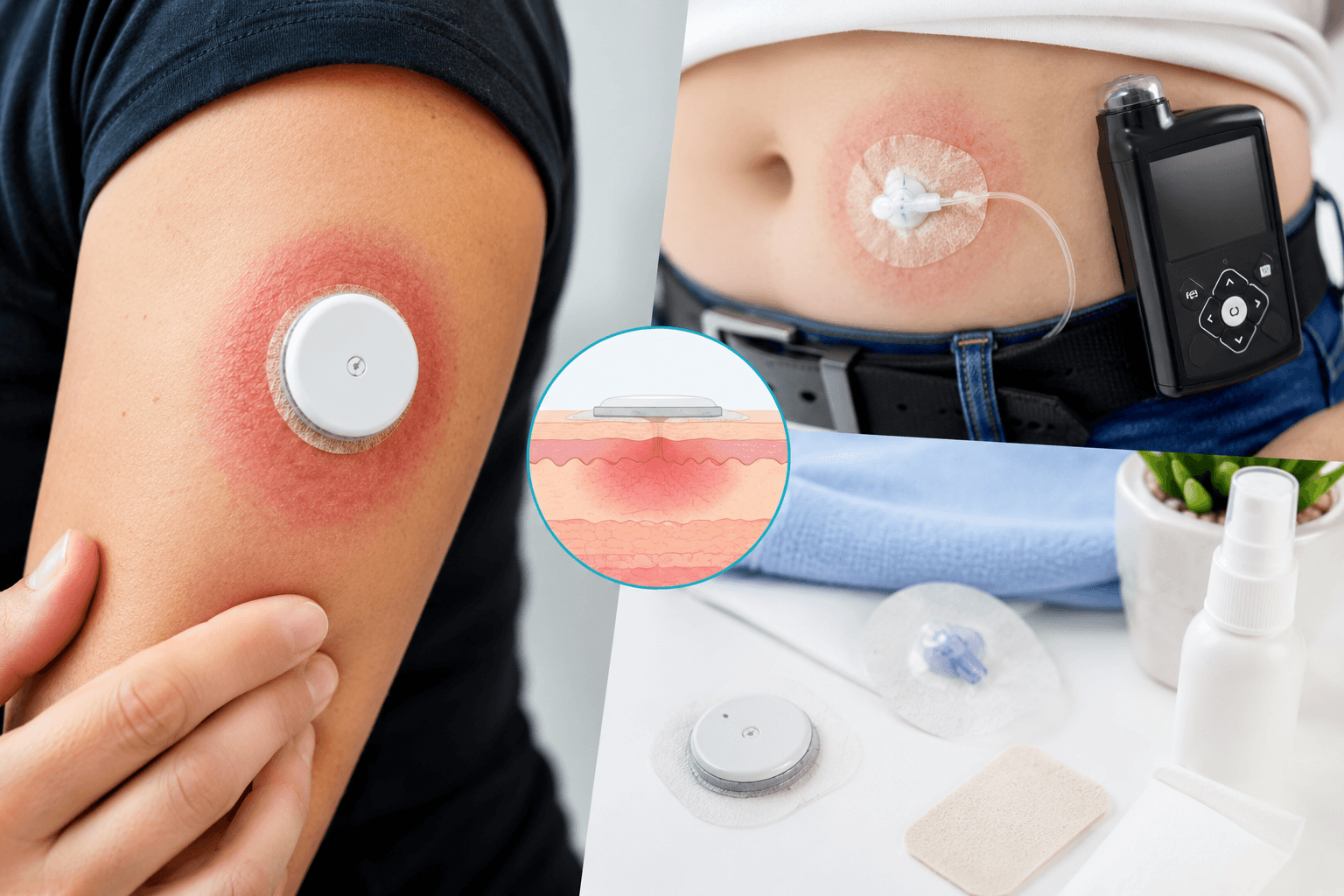
Continuous glucose monitors (CGMs) and insulin pumps can transform diabetes management, but the technology only works when patients can comfortably keep wearing it. CGM skin irritation can turn a valuable device into a daily source of itching, redness, pain, or damaged skin. In some cases, the reaction becomes severe enough …
Read More »
Jul 15, 2026
Articles, Blood Glucose Control, Blood Glucose Control, Devices, Diabetes
1,442 views
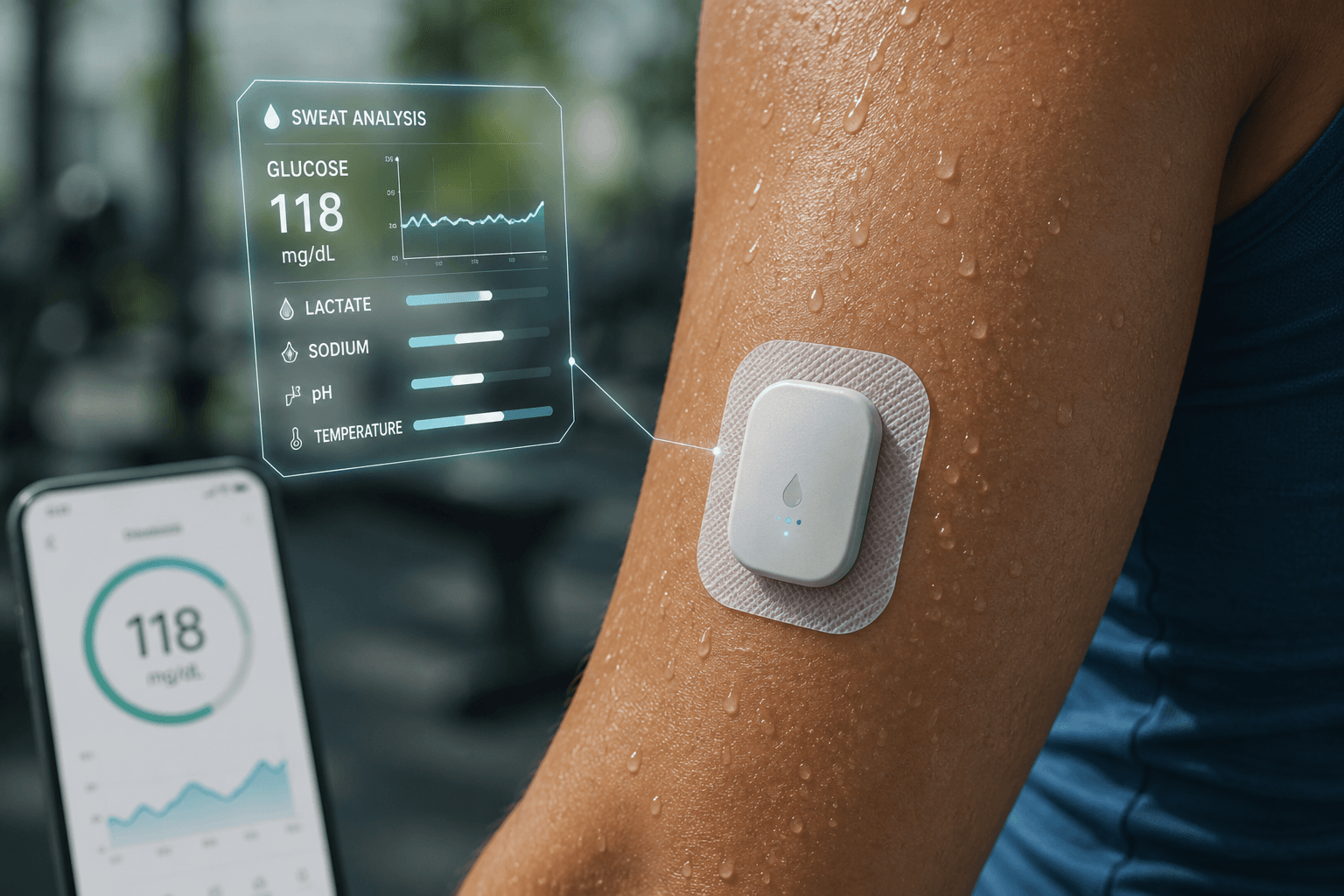
For millions of people living with diabetes, checking blood sugar remains a daily routine that often involves fingersticks or wearing a continuous glucose monitor (CGM) with a tiny sensor inserted beneath the skin. Although CGMs have dramatically improved diabetes management, many people still hope for a truly needle-free alternative. That …
Read More »
Jul 2, 2026
Articles, Devices, Diabetes, Prediabetes, Prevention, Type 2 Diabetes, Type 2 Diabetes
1,022 views
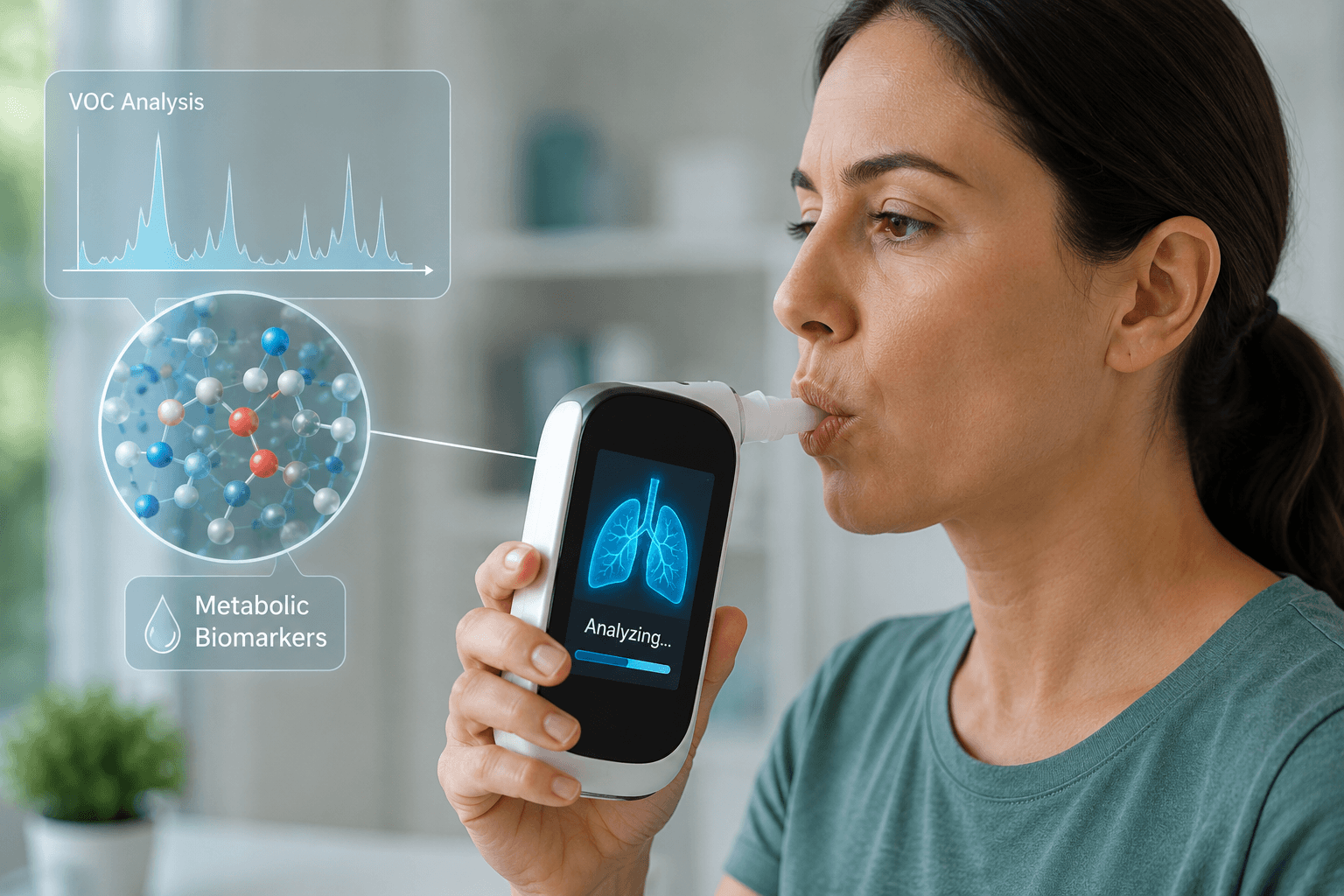
Imagine screening for diabetes as easily as breathing into a handheld device. That idea is rapidly moving from research laboratories toward clinical reality. Scientists are developing breath tests for diabetes that analyze tiny molecules in exhaled air to identify early metabolic changes long before traditional symptoms develop. Although blood glucose …
Read More »
Jul 1, 2026
Articles, Blood Glucose Control, Blood Glucose Control, Devices, Diabetes, Exercise, Physical Activity
2,477 views
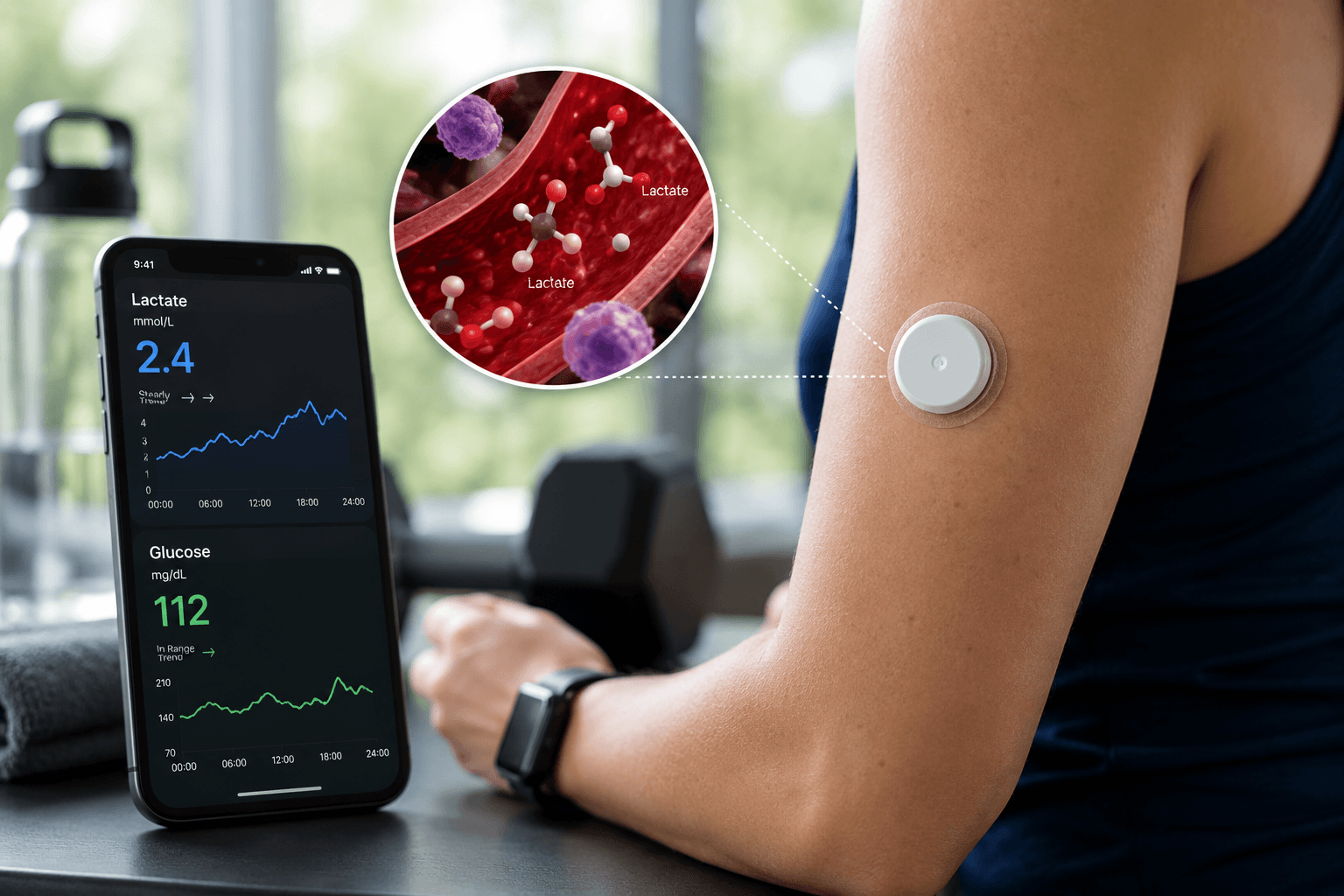
Continuous glucose monitoring (CGM) has fundamentally changed diabetes management by giving patients and clinicians access to real-time glucose data. As a result, treatment decisions have become more precise, and many people with diabetes now spend more time within their target glucose range. However, glucose represents only one part of the …
Read More »
Jun 24, 2026
Articles, Blood Glucose Control, Blood Glucose Control, Devices, Diabetes, Prevention
7,139 views
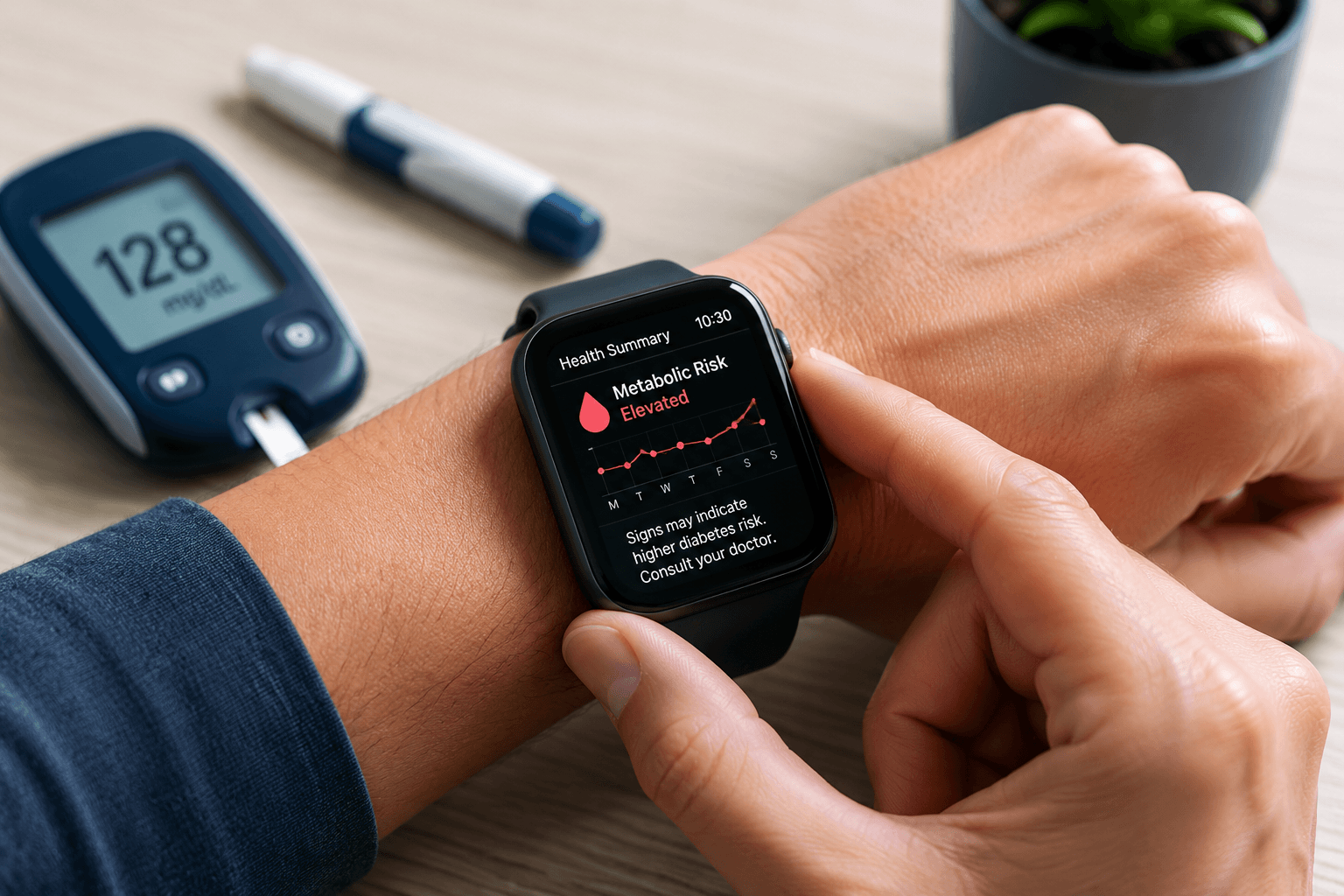
For decades, diagnosing diabetes has depended on blood tests performed during routine medical visits. However, what if your smartwatch could recognize early warning signs before glucose levels become high enough for a formal diagnosis? Researchers are now exploring wearable technologies for diabetes screening that continuously analyze physiologic data collected throughout …
Read More »
Jun 19, 2026
Articles, Blood Glucose Control, Blood Glucose Control, Devices, Diabetes, Type 1 Diabetes, Type 1 Diabetes, Type 2 Diabetes, Type 2 Diabetes
1,042 views
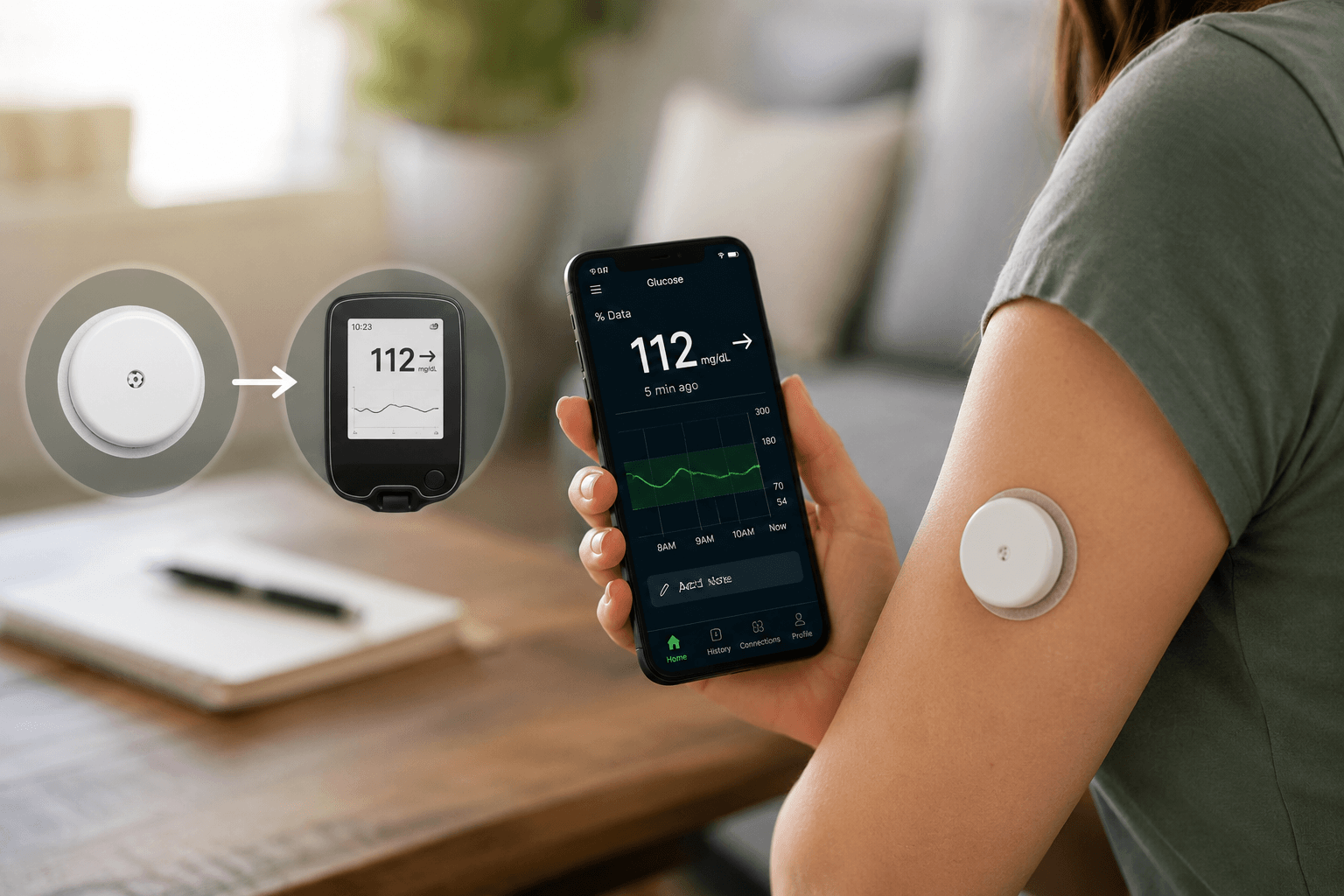
As diabetes technology continues to evolve, clinicians are increasingly faced with an important question: should patients still be using flash continuous glucose monitoring (CGM), or is it time to switch to real-time CGM? While flash CGM systems have significantly improved glucose monitoring and patient engagement over traditional fingerstick testing, real-time …
Read More »
Jun 16, 2026
Articles, Blood Glucose Control, Blood Glucose Control, Diabetes, Type 1 Diabetes, Type 1 Diabetes, Type 2 Diabetes, Type 2 Diabetes
2,114 views
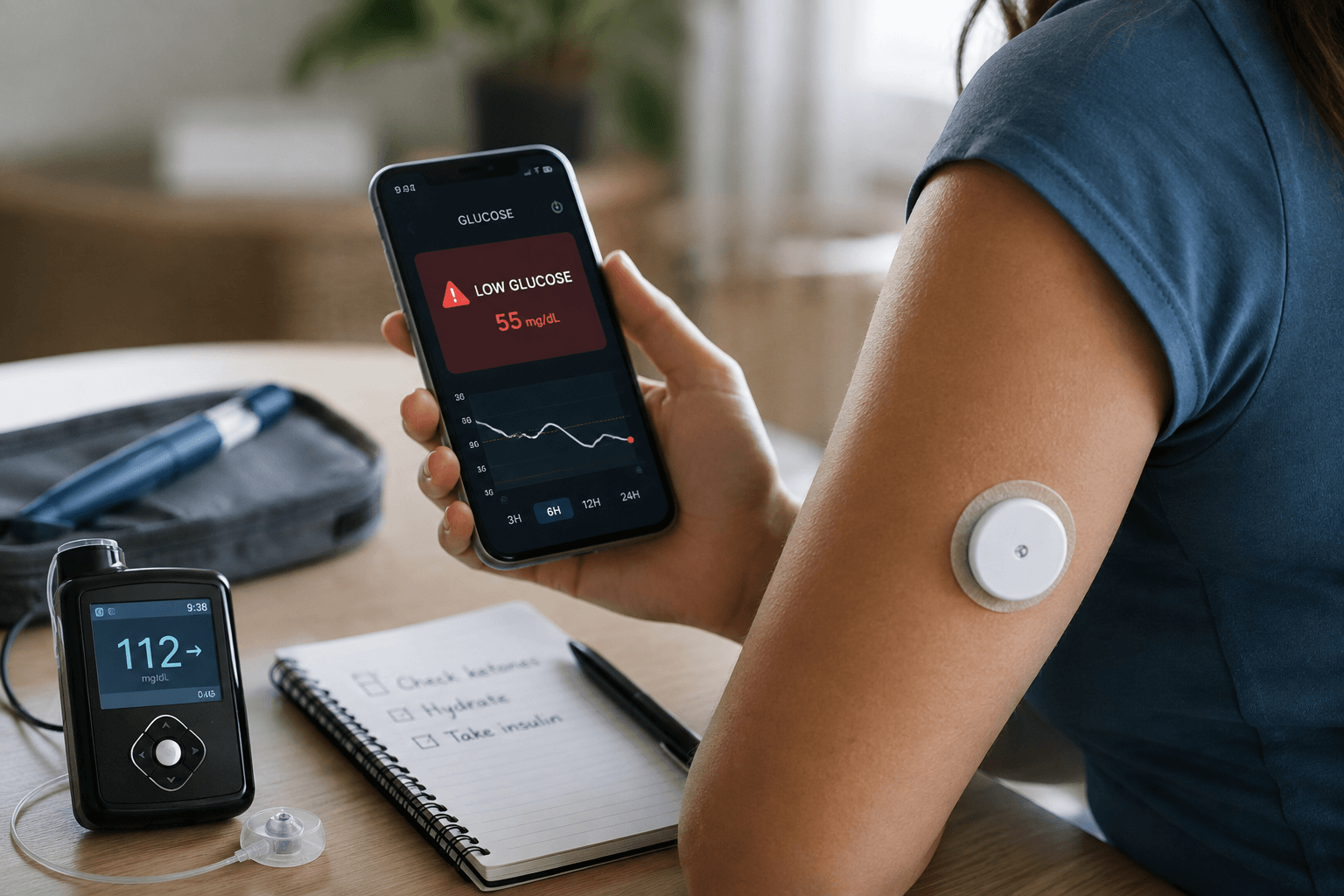
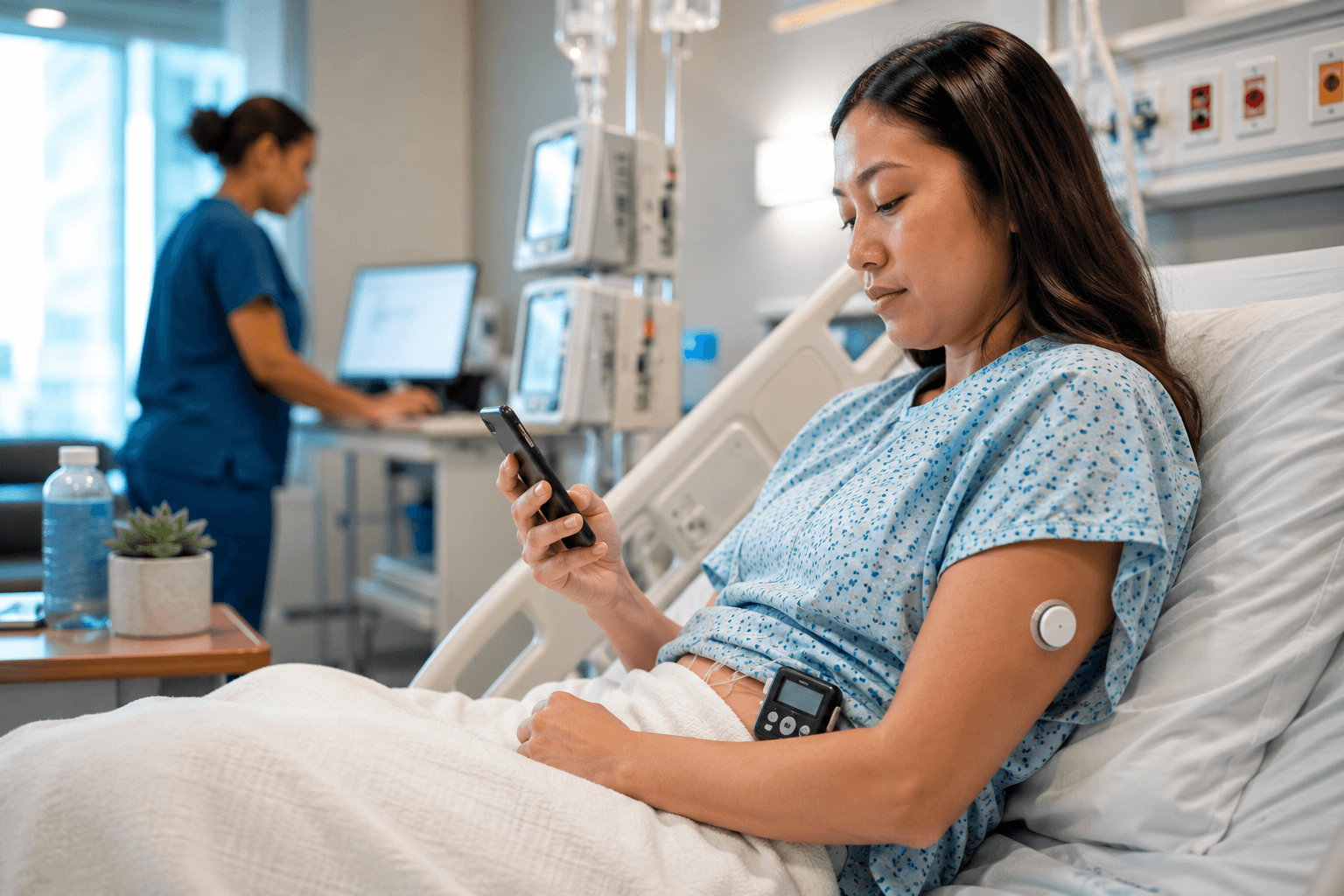
For years, hospital admission often meant disconnecting patients from their personal diabetes devices. Continuous glucose monitors (CGMs) and insulin pumps were frequently removed, even when patients had used them successfully at home. However, the 2026 American Diabetes Association (ADA) Standards of Care introduce a significant shift in how hospitals approach …
Read More »
 Diabetes In Control. A free weekly diabetes newsletter for Medical Professionals. News and information for Medical Professionals.