 Diabetes In Control. A free weekly diabetes newsletter for Medical Professionals. News and information for Medical Professionals.
Discover how remigromig performed against anti-VEGF therapy in the BRUNELLO trial and what AAO 2026 findings mean for diabetic macular edema care.
Read More »A New DME Drug Matched Anti-VEGF on Vision: Could Retina Care Be Ready for a New Option?

Discover how remigromig performed against anti-VEGF therapy in the BRUNELLO trial and what AAO 2026 findings mean for diabetic macular edema care.
Read More »
Can fenofibrate slow diabetic retinopathy in type 1 diabetes? Explore new LENS trial research, potential benefits, safety, and clinical implications.
Read More »
New research links smoking cessation to lower diabetes complication risks. Explore what the findings mean for kidney, eye, and nerve health.
Read More »
Three decades of advances in diabetes care have transformed how people with type 1 diabetes manage glucose. Insulin pumps, continuous glucose monitoring (CGM), improved insulin analogs, automated insulin delivery, and earlier screening have all changed daily treatment. However, have these advances actually reduced the long-term complications of type 1 diabetes? …
Read More »
Does being diagnosed with type 1 diabetes at age 6 carry the same long-term risks as being diagnosed at 16? Researchers have been asking that question for years. Increasingly, evidence suggests that age at type 1 diabetes onset may help explain differences in complication patterns later in life. However, age …
Read More »
For people with diabetes, a retinal photograph has traditionally answered one major question: Is diabetic retinopathy developing? However, artificial intelligence is beginning to uncover much more. Emerging retinal AI models for systemic risk assessment can detect patterns associated with cardiovascular disease, kidney disease, blood pressure, and metabolic health. As a …
Read More »
Diabetes care has advanced dramatically over the past decade. While therapies such as GLP-1 receptor agonists and SGLT2 inhibitors have transformed glucose management and cardiovascular outcomes, many patients continue to develop long-term complications. Could an older therapeutic target finally provide the missing piece? Interest in aldose reductase inhibitors for diabetes …
Read More »
Diabetes research is moving beyond blood sugar measurements and insulin therapy into an exciting new frontier. One of the most promising areas involves microRNAs, tiny RNA molecules that quietly regulate hundreds of genes throughout the body. Although they are microscopic, their influence on insulin production, inflammation, and blood vessel health …
Read More »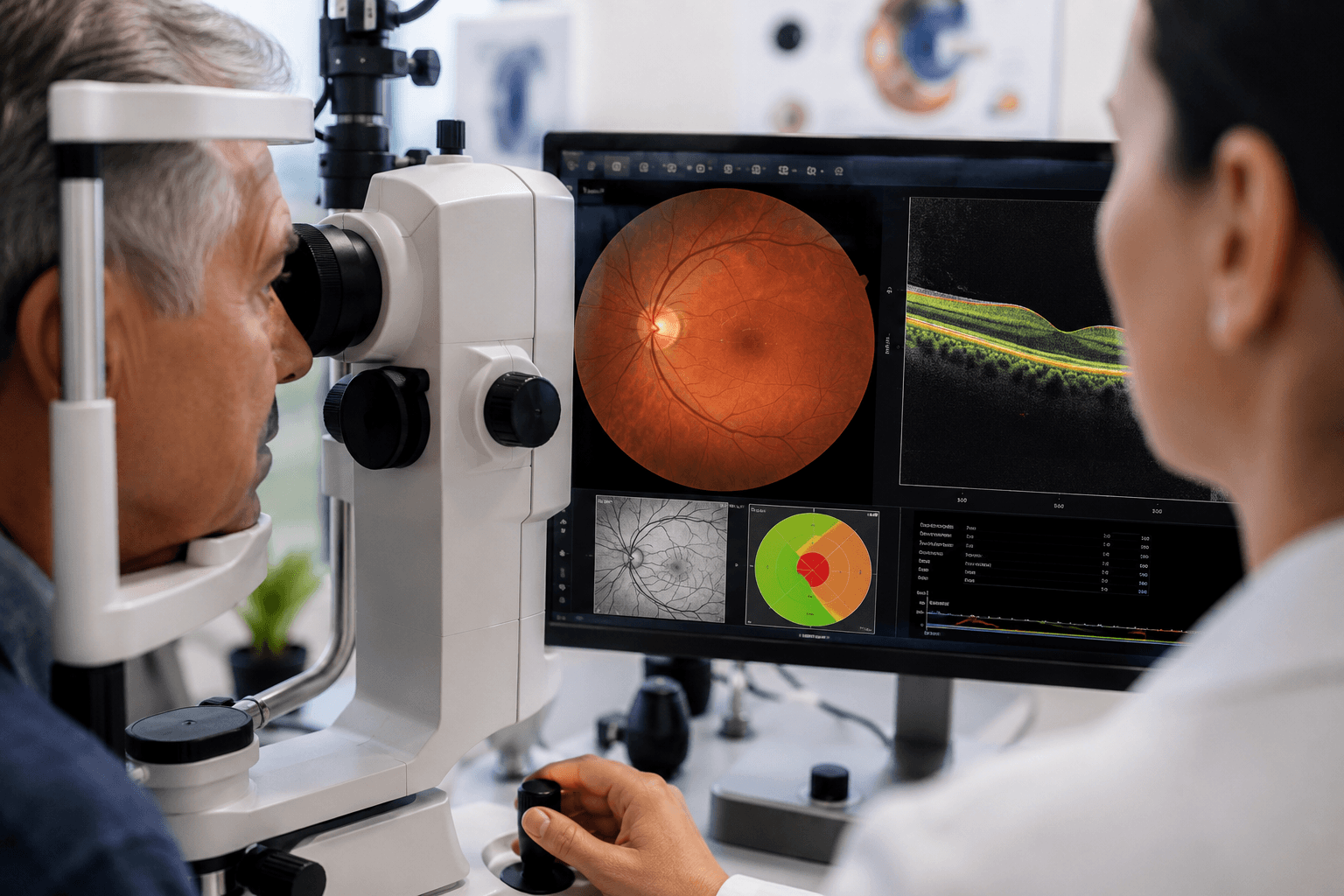
Diabetes affects far more than blood sugar. In fact, the earliest stages of diabetic retinal disease may begin years before an eye doctor can see the classic signs of diabetic retinopathy during a routine examination. Imagine a smoke detector that alerts you before you ever see flames. That is the …
Read More »
Diabetes is known for raising blood sugar levels, but its long-term complications often have the greatest impact on health. Kidney disease, vision loss, nerve damage, and cardiovascular disease affect millions of people living with diabetes. For years, researchers focused on inflammation, oxidative stress, and poor circulation to explain these complications. …
Read More »