5 days ago
Articles, Blood Glucose Control, Blood Glucose Control, Type 1 Diabetes, Type 1 Diabetes
746 views
Three decades of advances in diabetes care have transformed how people with type 1 diabetes manage glucose. Insulin pumps, continuous glucose monitoring (CGM), improved insulin analogs, automated insulin delivery, and earlier screening have all changed daily treatment. However, have these advances actually reduced the long-term complications of type 1 diabetes? …
Read More »
Aug 6, 2026
AI-news, Articles, Diabetes, Nephrology
6,782 views
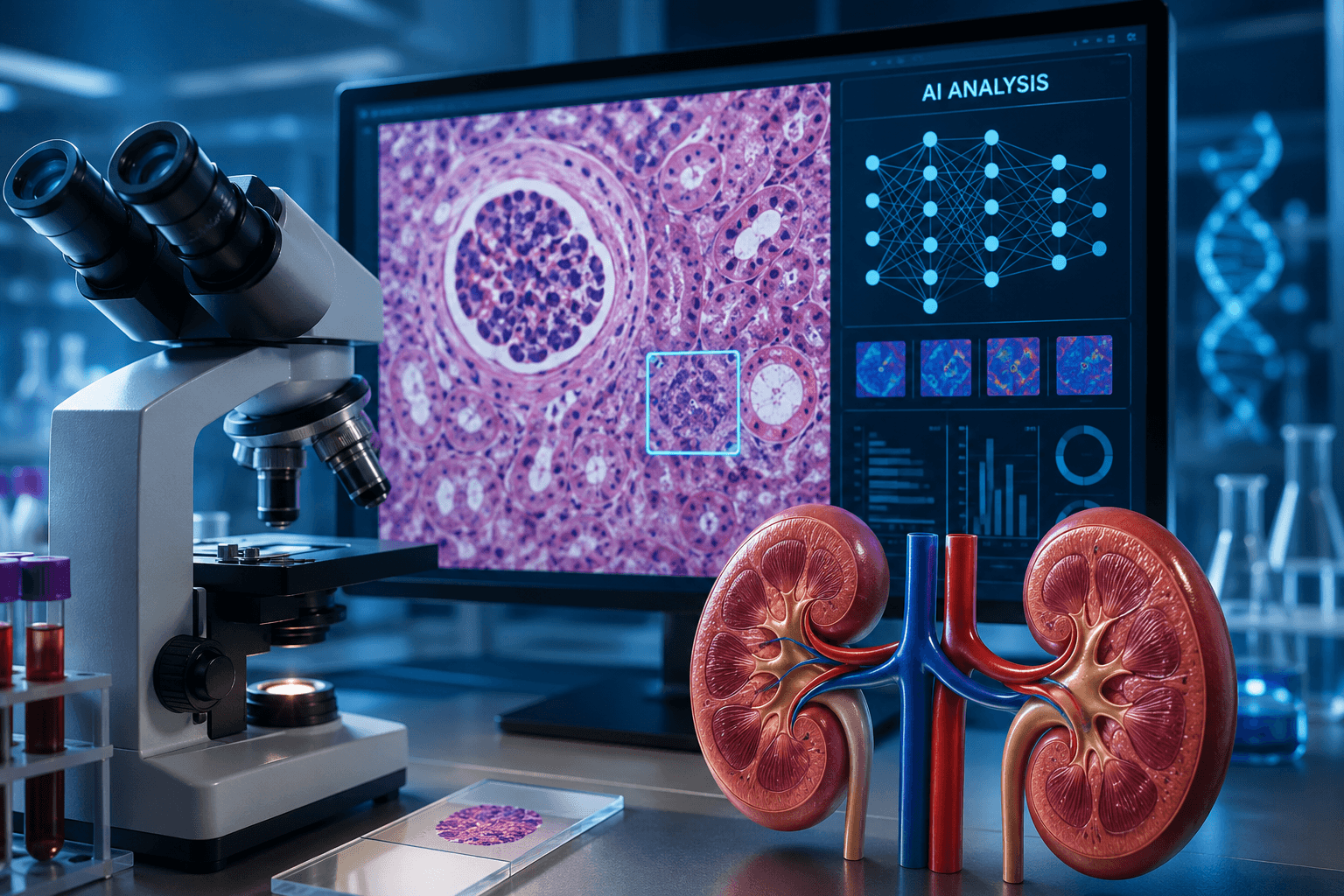
Artificial intelligence is rapidly changing how healthcare professionals diagnose disease. But can computers identify kidney damage before it becomes obvious under a microscope? Researchers believe the answer may be yes. The combination of digital pathology, artificial intelligence, and diabetic kidney disease research is opening new opportunities to identify microscopic kidney …
Read More »
Jul 27, 2026
Articles, Blood Glucose Control, Blood Glucose Control, Diabetes, Nephrology, Neurology, Ophthalmology, Prevention, Type 2 Diabetes, Type 2 Diabetes
1,377 views
Diabetes is known for raising blood sugar levels, but its long-term complications often have the greatest impact on health. Kidney disease, vision loss, nerve damage, and cardiovascular disease affect millions of people living with diabetes. For years, researchers focused on inflammation, oxidative stress, and poor circulation to explain these complications. …
Read More »
Jul 23, 2026
Articles, Diabetes, Nephrology, Type 2 Diabetes, Type 2 Diabetes
1,246 views
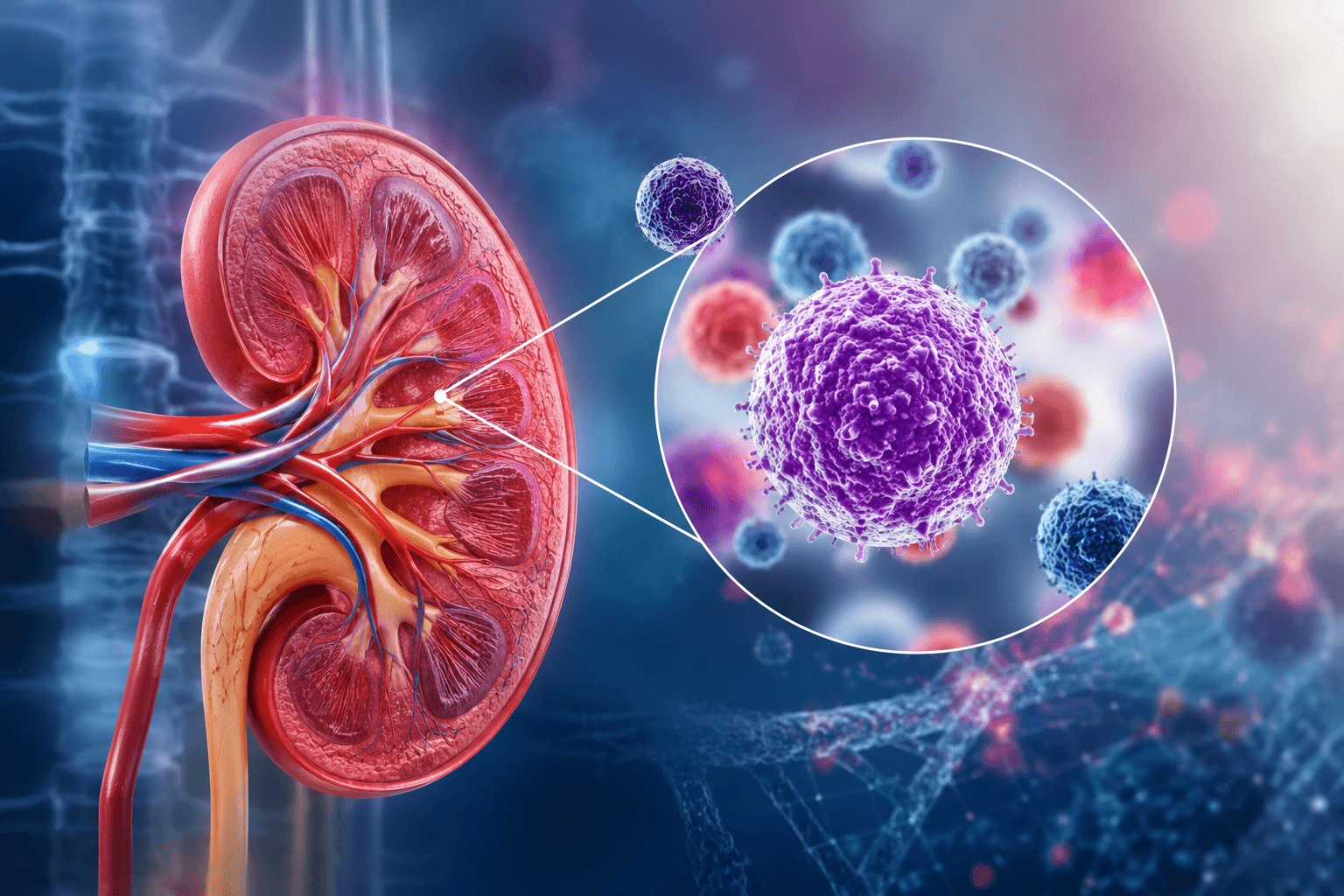
For years, diabetic kidney disease (DKD) has been viewed as a single condition that progresses in a fairly predictable way. However, new research suggests that this assumption may overlook important biological differences between patients. Scientists have now identified a previously hidden subtype of diabetic kidney disease marked by increased B-cell …
Read More »
Jul 14, 2026
Articles, Blood Glucose Control, Blood Glucose Control, Diabetes, Prediabetes, Type 2 Diabetes, Type 2 Diabetes
1,263 views
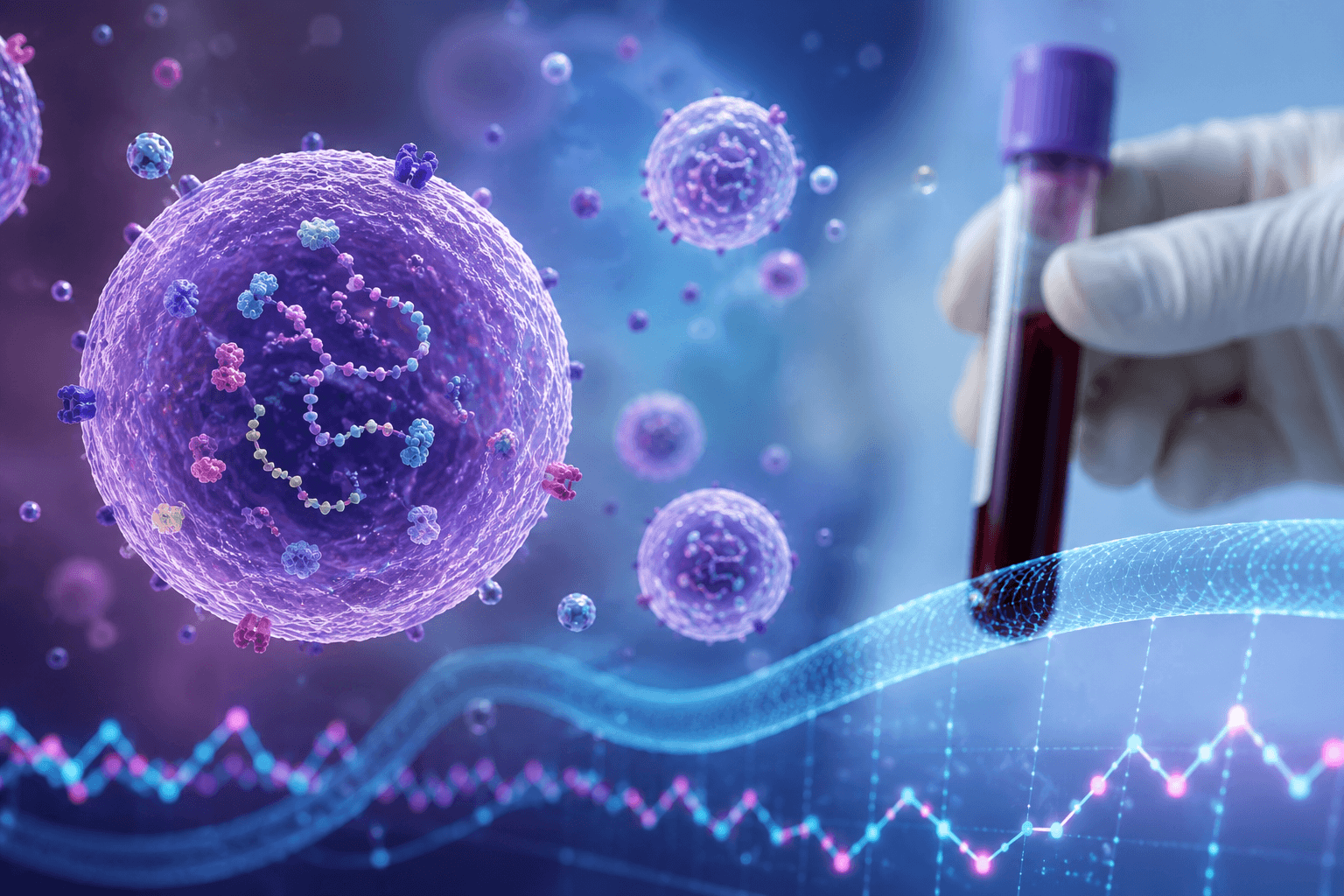
Diabetes often develops silently for years before blood sugar levels become high enough for a diagnosis. What if tiny biological packages circulating in the bloodstream could reveal those hidden changes long before symptoms appear? Researchers are increasingly studying how exosomes may serve as biomarkers for diabetes because these microscopic messengers …
Read More »
Jul 8, 2026
Articles, Diabetes, Nephrology, SGLT-2 Therapy Center, Therapies, Type 2 Diabetes, Type 2 Diabetes
1,763 views
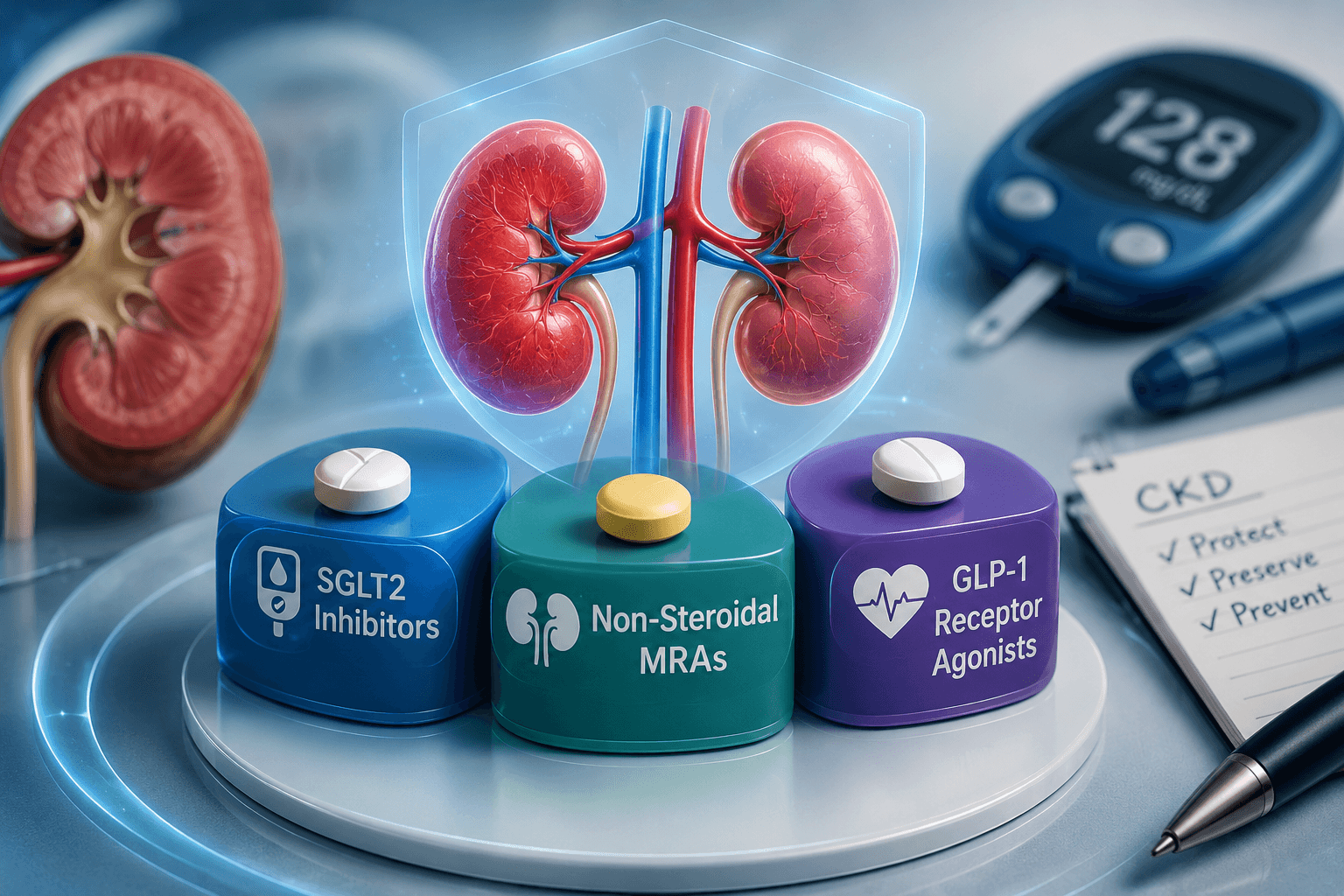
For years, the treatment of diabetic kidney disease focused primarily on glycemic control and blood pressure management. More recently, SGLT2 inhibitors and GLP-1 receptor agonists have transformed the landscape by reducing kidney disease progression and cardiovascular events. However, another therapeutic class is rapidly gaining recognition. Non-steroidal mineralocorticoid receptor antagonists (MRAs) …
Read More »
Jun 18, 2026
Articles, Blood Glucose Control, Blood Glucose Control, Diabetes, Type 2 Diabetes, Type 2 Diabetes
1,184 views
Blood pressure control remains one of the most powerful tools for reducing cardiovascular and kidney complications in people with diabetes. While clinicians have traditionally focused on achieving targets below 140/90 mmHg, recent evidence and the 2026 American Diabetes Association Standards of Care support a more intensive approach for selected high-risk …
Read More »
Mar 11, 2026
Articles, Diabetes, GLP- 1 Agonist Therapy Center, Nephrology, Type 2 Diabetes, Type 2 Diabetes
1,845 views
Chronic kidney disease (CKD) remains one of the most serious complications associated with diabetes, affecting millions of patients worldwide. While SGLT2 inhibitors have become foundational therapies for protecting kidney function, researchers are increasingly examining whether other drug classes may also slow renal decline. In particular, growing interest surrounds how GLP-1 …
Read More »
Jan 2, 2026
Articles, Diabetes, Nephrology, Therapies, Type 2 Diabetes, Type 2 Diabetes
1,464 views
As the burden of diabetic kidney disease (DKD) continues to grow, so does the urgency for early, evidence-based interventions. The concept of kidney protection diabetes is shifting—clinicians are now encouraged to initiate therapy before substantial kidney function loss occurs. Two major drug classes—SGLT2 inhibitors and GLP‑1 receptor agonists—are leading …
Read More »
 Diabetes In Control. A free weekly diabetes newsletter for Medical Professionals. News and information for Medical Professionals.