Jul 13, 2026
Articles, Blood Glucose Control, Blood Glucose Control, Diabetes, Type 2 Diabetes, Type 2 Diabetes
1,464 views
Managing diabetes has never offered more therapeutic options. Continuous glucose monitors (CGMs), automated insulin delivery systems, GLP-1 receptor agonists, SGLT2 inhibitors, and individualized treatment plans have transformed patient care. Yet despite these advances, many people with diabetes continue to struggle, not because treatments are ineffective, but because the overall workload …
Read More »
Jul 9, 2026
Articles, Cardiology, Diabetes, Type 2 Diabetes, Type 2 Diabetes
1,932 views
Not long ago, diabetes management focused primarily on controlling blood glucose levels. Today, that approach has evolved dramatically as cardiologists and endocrinologists increasingly work together to reduce cardiovascular risk. Thanks to groundbreaking cardiovascular outcome trials (CVOTs), clinicians now understand that treating type 2 diabetes means protecting the heart, kidneys, and …
Read More »
Jul 7, 2026
Articles, Clinical Gems, Diabetes, Type 1 Diabetes, Type 1 Diabetes, Type 2 Diabetes, Type 2 Diabetes
2,986 views
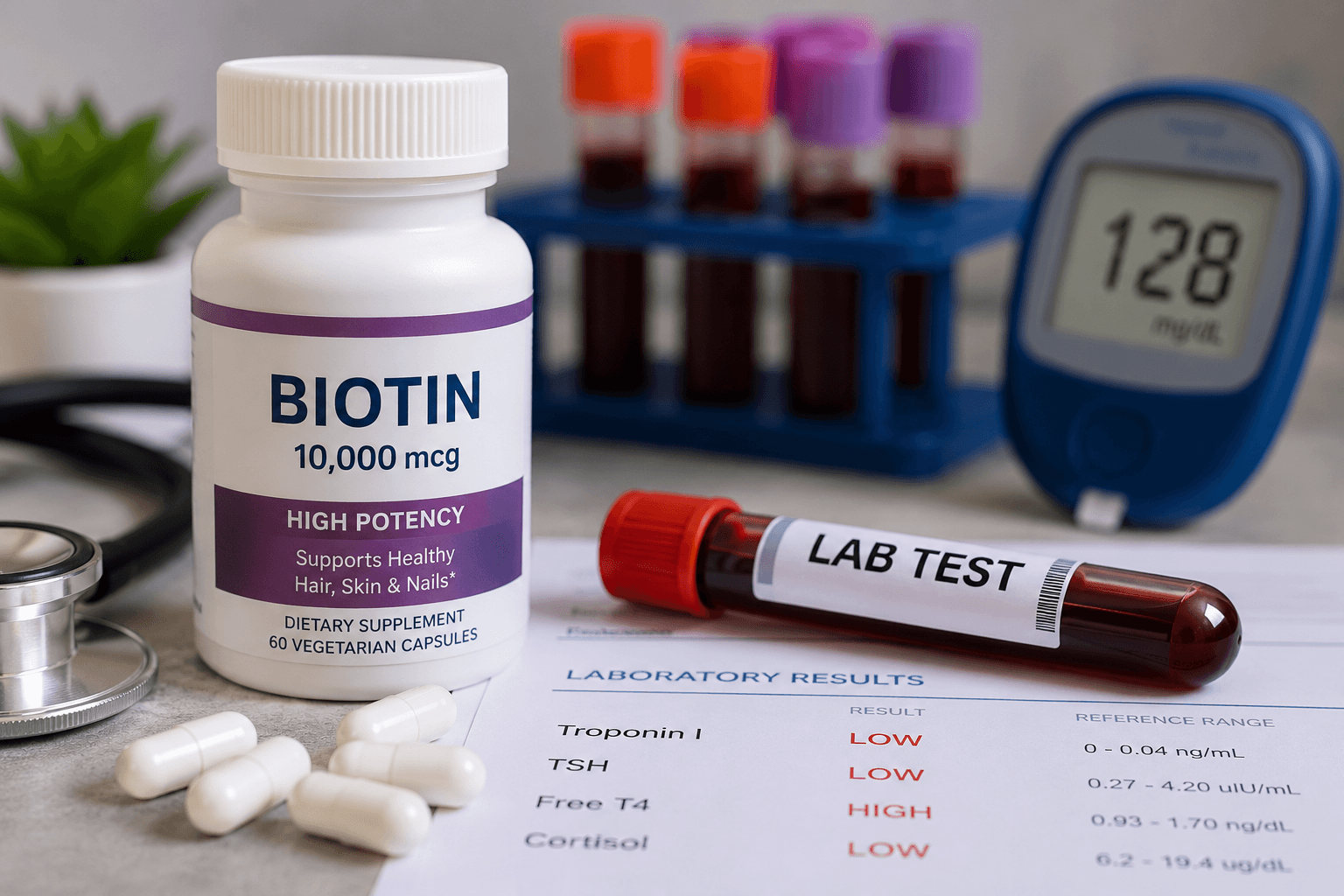
Biotin supplements have become increasingly popular among people living with diabetes. Many individuals take them to support healthy hair and nails, while others use high-dose formulations in hopes of easing neuropathy symptoms. An often-overlooked concern is biotin interference with laboratory tests used in diabetes care. Although biotin itself does not …
Read More »
Jun 29, 2026
Articles, Blood Glucose Control, Blood Glucose Control, Cardiology, Diabetes, Diet and Nutrition, Prevention
4,964 views
For years, artificial sweeteners have been promoted as an important strategy for reducing sugar intake in people with diabetes. They help lower carbohydrate intake, reduce post-meal glucose spikes, and support weight management without adding calories. However, recent research has challenged the long-held assumption that all non-nutritive sweeteners are metabolically neutral. …
Read More »
Jun 23, 2026
Articles, Diabetes, Mental Health, Neurology, Type 2 Diabetes, Type 2 Diabetes
4,605 views
For decades, diabetes care has focused on preventing complications such as retinopathy, nephropathy, neuropathy, and cardiovascular disease. Yet another complication may be developing much earlier and often without obvious symptoms: diabetes-related cognitive decline. While memory loss and dementia have traditionally been viewed as concerns of older age, growing evidence suggests …
Read More »
Jun 5, 2026
Articles, Diabetes, Mental Health, Type 2 Diabetes, Type 2 Diabetes
3,867 views
Depression and diabetes management often overlap in ways that make treatment decisions more complicated. Patients with type 2 diabetes frequently experience depression, and depression can make daily self-care harder. However, some commonly prescribed antidepressants and psychotropic medications may contribute to weight gain, worsen insulin resistance, or complicate long-term metabolic control. …
Read More »
Apr 20, 2026
Articles, Diabetes, GLP- 1 Agonist Therapy Center, GLP-1 Agonist Therapy Center, Type 2 Diabetes, Type 2 Diabetes
5,727 views
Why do some patients respond dramatically to GLP-1 therapies while others see little benefit? This question is becoming more relevant as GLP-1 receptor agonists gain widespread use in diabetes and weight management. Increasingly, clinicians are encountering cases of reduced response to GLP-1 therapies, where expected glycemic or weight outcomes fail …
Read More »
Mar 26, 2026
Diabetes, GLP- 1 Agonist Therapy Center, GLP-1 Agonist Therapy Center, Obesity
8,116 views
Concerns about GLP-1 drug interactions are rising as these therapies gain widespread use in diabetes and obesity management. As more patients start medications like semaglutide and liraglutide, clinicians are asking an important question: how do these drugs affect the absorption of other treatments? Much like slowing traffic on a busy …
Read More »
 Diabetes In Control. A free weekly diabetes newsletter for Medical Professionals. News and information for Medical Professionals.