 Diabetes In Control. A free weekly diabetes newsletter for Medical Professionals. News and information for Medical Professionals.
The CONNECT trial reveals how CGM improves A1C and time in range in type 2 diabetes patients not using insulin. Explore the findings and implications.
Read More »No Insulin Needed? A Major Trial Finds CGM Benefits in an Overlooked Diabetes Group

The CONNECT trial reveals how CGM improves A1C and time in range in type 2 diabetes patients not using insulin. Explore the findings and implications.
Read More »
Hospital glucose monitoring errors can put patients at risk. Learn how wrong-patient results affect insulin decisions and how clinicians can prevent harm.
Read More »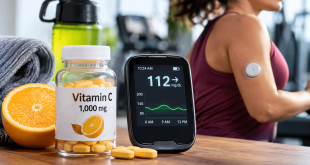
Can vitamin C or exercise affect glucose monitor accuracy? Explore findings from a randomized trial of CGM technology in adults with type 1 diabetes.
Read More »
Learn why MiniMed Flex insulin pumps were recalled, the potential insulin delivery risks, and what affected users should do to stay safe.
Read More »
For people with diabetes, an unexpected glucose spike may have a less obvious cause than food or missed medication. Dehydration and high blood sugar can create a self-reinforcing cycle. When the body loses too much fluid, glucose becomes more concentrated in the bloodstream. At the same time, rising glucose can …
Read More »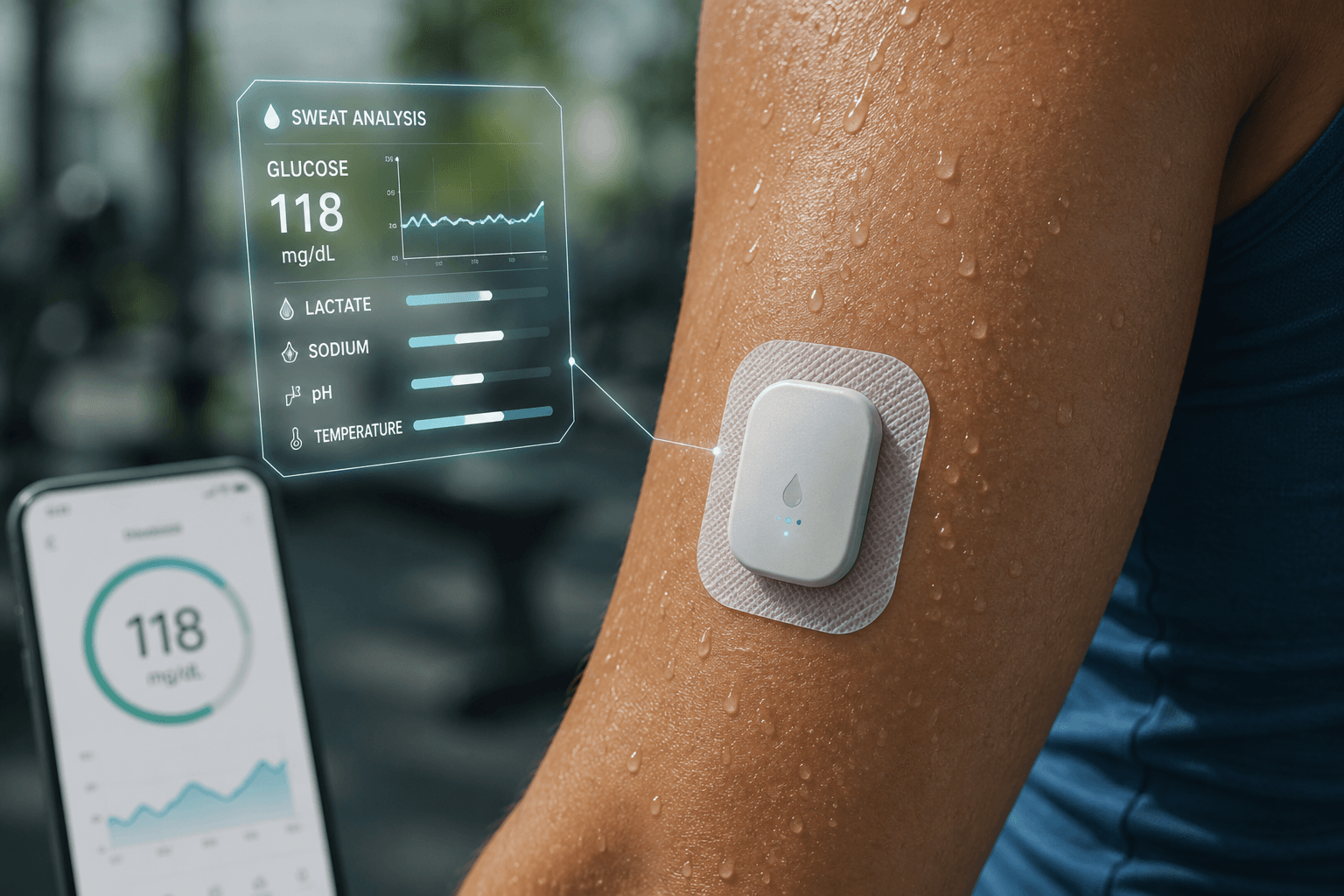
For millions of people living with diabetes, checking blood sugar remains a daily routine that often involves fingersticks or wearing a continuous glucose monitor (CGM) with a tiny sensor inserted beneath the skin. Although CGMs have dramatically improved diabetes management, many people still hope for a truly needle-free alternative. That …
Read More »
Patients with diabetes are increasingly exploring fasting for religious, cultural, and metabolic health reasons. From Ramadan observance to intermittent fasting trends, many individuals choose to abstain from food and fluids for extended periods despite potential risks. For clinicians, this creates an important challenge. Simply advising patients not to fast often …
Read More »