Apr 29, 2026
Articles, Diabetes, GLP- 1 Agonist Therapy Center, GLP-1 Agonist Therapy Center, Therapies, Type 2 Diabetes, Type 2 Diabetes
1,356 views
The rise of oral GLP-1 medications is changing how clinicians approach type 2 diabetes treatment. But what if one of the biggest barriers, strict dosing requirements, suddenly disappeared? A newly approved oral option without food or water restrictions is making that question very real. As a result, clinicians now have …
Read More »
Mar 20, 2026
Articles, Blood Glucose Control, Blood Glucose Control, Diabetes, Type 2 Diabetes, Type 2 Diabetes
6,116 views
Diabetes care can feel like navigating a maze of medications, glucose targets, and lifestyle changes. So how do clinicians ensure patients stay engaged for the long term? Shared decision making in diabetes care offers a practical answer by turning clinical conversations into collaborative partnerships. Instead of simply prescribing treatment, providers …
Read More »
Mar 19, 2026
Articles, Blood Glucose Control, Blood Glucose Control, Diabetes, Diet and Nutrition, Type 2 Diabetes, Type 2 Diabetes
2,462 views
Have you ever wondered why the same meal can spike one person’s blood sugar but barely affect another’s? Research into precision nutrition for diabetes is helping answer that question. For years, dietary advice for diabetes followed a general template. However, growing evidence shows that individual responses to food vary widely. …
Read More »
Mar 19, 2026
Articles, Diabetes, GLP- 1 Agonist Therapy Center, GLP-1 Agonist Therapy Center, Therapies, Type 2 Diabetes, Type 2 Diabetes
2,400 views
Managing type 2 diabetes today can feel like solving a moving puzzle. With so many therapies available, how do clinicians decide what comes next? GLP-1 therapies have become a key part of today’s diabetes treatment algorithm, helping providers balance glucose control, cardiovascular risk, and patient preferences. As treatment options evolve, …
Read More »
Mar 6, 2026
Articles, Blood Glucose Control, Blood Glucose Control, Diabetes, Safety, Sulfonylurea, Type 2 Diabetes, Type 2 Diabetes
4,456 views
Managing the risk of hypoglycemia remains a central challenge in diabetes care, even as newer therapies lower the rate of severe events. Although GLP-1 receptor agonists and SGLT2 inhibitors have reshaped treatment strategies, insulin and sulfonylureas are still widely used, especially among older adults and patients with chronic kidney disease …
Read More »
Mar 6, 2026
Articles, Blood Glucose Control, Blood Glucose Control, Devices, Diabetes
2,716 views
Continuous glucose monitoring has transformed diabetes care, but are we fully using the data it provides? In 2026, time in range is moving beyond a simple CGM metric and becoming a formal therapeutic target in diabetes care. While A1C remains important, time in range (TIR) offers a more dynamic and …
Read More »
Feb 26, 2026
Articles, Blood Glucose Control, Blood Glucose Control, Diabetes, Insulin Therapy Center, Type 2 Diabetes, Type 2 Diabetes
2,067 views
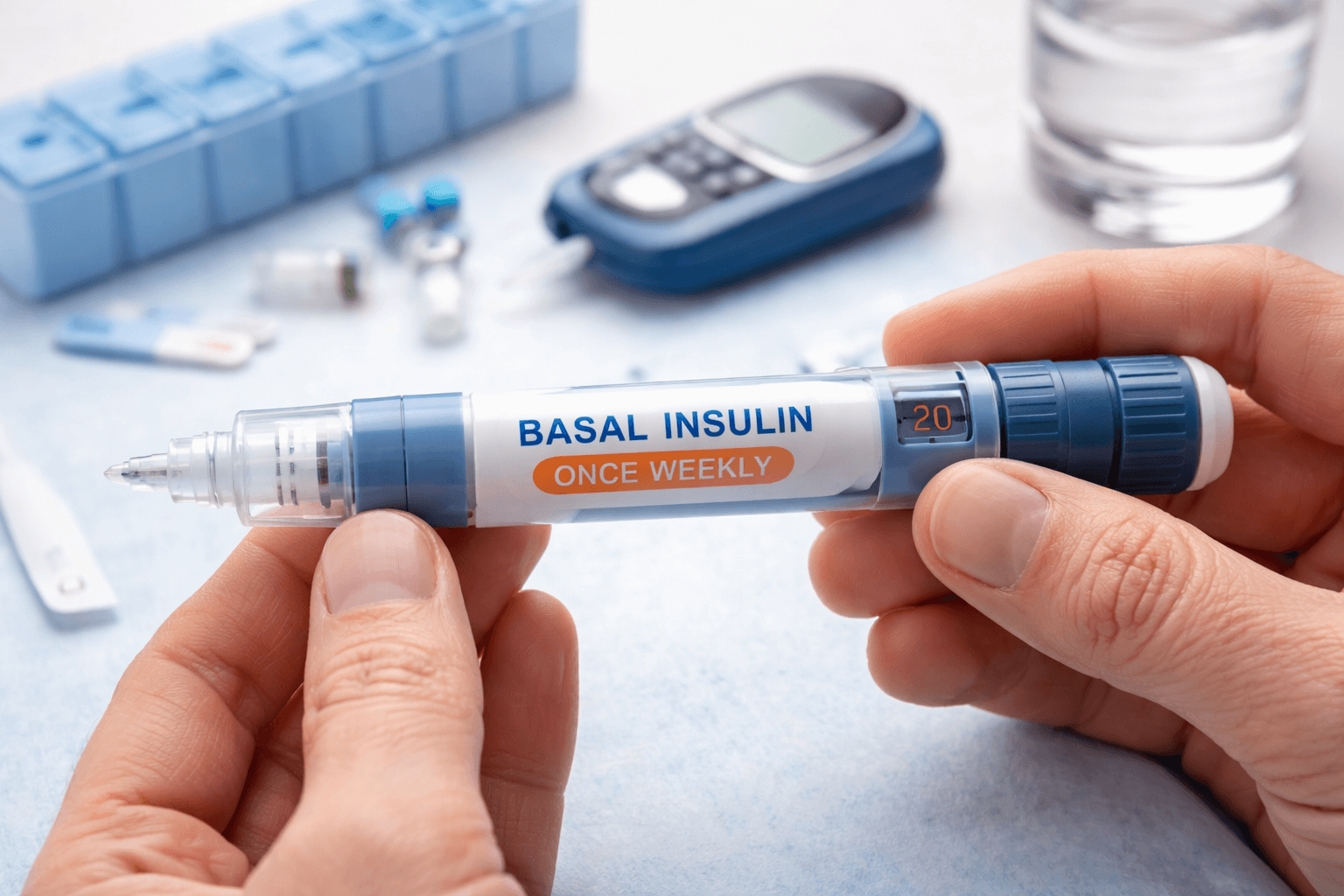
The arrival of a once-weekly basal insulin option marks one of the most meaningful advances in insulin therapy in decades. For years, daily basal injections have been the standard of care for people with type 1 and type 2 diabetes. However, many patients struggle with adherence, missed doses, and therapeutic …
Read More »
Jan 2, 2026
Articles, Blood Glucose Control, Blood Glucose Control, Devices, Diabetes, Type 2 Diabetes, Type 2 Diabetes
1,560 views
As diabetes technology advances, hybrid closed‑loop systems are no longer exclusive to type 1 diabetes. In recent years, their use in insulin-treated type 2 diabetes has gained attention. These systems promise better glucose control and improved quality of life by automating much of the insulin delivery process. But are they …
Read More »
Dec 25, 2025
Articles, Blood Glucose Control, Blood Glucose Control, Diabetes, Prevention, Type 1 Diabetes, Type 1 Diabetes, Type 2 Diabetes, Type 2 Diabetes
3,315 views
Diabetic ketoacidosis (DKA) and hyperosmolar hyperglycemic state (HHS) are still two of the most dangerous acute complications facing people with diabetes. However, a large portion of these cases can be prevented outside of the hospital. In 2025, the American Diabetes Association (ADA) released expanded guidance focused on DKA outpatient prevention, …
Read More »
Dec 11, 2025
Articles, Diabetes, Diet and Nutrition, Physical Activity, Prediabetes, Prediabetics, Prevention, Type 2 Diabetes, Type 2 Diabetes
1,444 views
Prediabetes affects a striking proportion of adults worldwide, creating a crucial window for intervention before type 2 diabetes develops. While medications like metformin are frequently considered for high-risk individuals, evidence from large clinical trials shows that lifestyle-based strategies — especially the National Diabetes Prevention Program — can dramatically reduce the …
Read More »
 Diabetes In Control. A free weekly diabetes newsletter for Medical Professionals. News and information for Medical Professionals.