 Diabetes In Control. A free weekly diabetes newsletter for Medical Professionals. News and information for Medical Professionals.
Lack of trained staff, equipement and policies complicates diabetes management for children…
Read More »Parents Influence their Children’s Diabetes Control
Parents diagnosed with diabetes and hypertension found to negatively impact children’s glycemic control… It is common knowledge that childhood obesity has been on a drastic increase for the last 20 years. The TODAY trial (Treatment Options for Type 2 Diabetes in Adolescents and Youth) was a large randomized clinical trial …
Read More »Diet Swap Has Dramatic Effects on Colon Cancer Risk for Americans and Africans
Scientists saw dramatic effects on risk factors for colon cancer when American and African volunteers swapped diets for just two weeks… Western diets, high in protein and fat but low in fiber, are thought to raise colon cancer risk compared with African diets high in fiber and low in fat …
Read More »GLP-1 Analog May Help with NAFLD and Nonalcoholic Steatohepatitis
GLP-1 drug shows potential to treat both diseases… Nonalcoholic fatty liver disease (NAFLD), the most common form of chronic liver disease in America which affects approximately 30% of the population, is known to contribute to prediabetes and diabetes due to the liver’s important role in the regulation of blood sugar …
Read More »Antibiotics Possibly Linked to Increased Risk of Diabetes
Extended, multiple, or lifetime regimens of medications may alter gut micobiota… With increased prevalence of antibiotics, researchers are constantly learning new information about the effects of these drugs. It is known that gut microbiota can influence metabolic pathways affecting the pathogenesis of obesity and insulin resistance. According to researchers, patients …
Read More »Medications Via Microchip
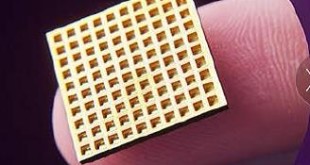
New investigational technology from MicroCHIPS (Lexington, Massachusetts) may make long-term, wireless drug delivery possible. The microchip-based implant is placed under the skin and contains 200 micro-reservoirs that can each store 1 mg of medication. Clinicians can remotely control medication release wirelessly; it can also be outfitted with sensors that …
Read More »Novel Exercise Approaches to Managing Activity-Induced Hypoglycemia

by Dr. Sheri Colberg, Ph.D., FACSM Given that fear of hypoglycemia during exercise is a known barrier to exercise participation, particularly for insulin users with diabetes, it is worthwhile to discuss some novel approaches to using exercise itself to manage blood glucose levels during activities. Based on some newer research, …
Read More »Include Caretakers in Diabetes Patients’ Plans to Lower A1c
A married male patient, 68 years of age, has been prescribed long-acting insulin twice a day because once-daily does not work 24 hours for him, and his dose is large. Therefore breaking it into two smaller injections helps bring down his glucose, but only when he remembers to take his …
Read More »Joseph Houmard, PhD: The Benefits of Doing a Little Exercise Every Day

Dr. Joe Houmard talks about how, if we all began working on “weight maintenance” immediately after leaving high school, it would reduce our national health care expenditure phenomenonally. Instead, the focus is on “weight loss” rather than healthy, gradual physical fitness. Joe Houmard, Ph.D. has been at East Carolina University …
Read More »ADA 2015 Guidelines, Part 3
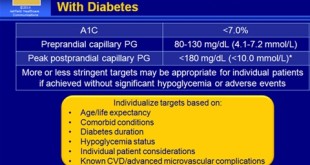
In this week’s Homerun Slides, we continue with the 2015 ADA Guidelines with slides on: Correlation of A1c With Average Glucose, Management of Hypoglycemia, and Bariatric Surgery in Type 2 Diabetes….
Read More »