Sep 4, 2026
Articles, Diabetes, Neuropathy & Pain, Physician oriented, Therapies
1,110 views
Finding the right diabetic neuropathy pain treatment can be challenging when a well-chosen first medication provides only partial relief. Burning, shooting pain, tingling, and allodynia can continue to disrupt sleep, mobility, mood, and daily function. Fortunately, clinicians do not always have to choose between abandoning a partially effective drug and …
Read More »
Sep 3, 2026
Articles, Blood Glucose Control, Blood Glucose Control, DPP-4 Therapy Center, Physician oriented, SGLT-2 Therapy Center, Therapies, Type 2 Diabetes, Type 2 Diabetes
1,370 views
Precision diabetes treatment aims to answer a question clinicians and patients face every day: which diabetes drug is most likely to work best for this particular person? A new analysis from the TriMaster crossover trial offers an important clue. Researchers compared several precision-medicine strategies for predicting responses to sitagliptin, canagliflozin, …
Read More »
Sep 3, 2026
Articles, Blood Glucose Control, Blood Glucose Control, Diabetes, Diet and Nutrition, Physician oriented, Type 2 Diabetes, Type 2 Diabetes
1,069 views
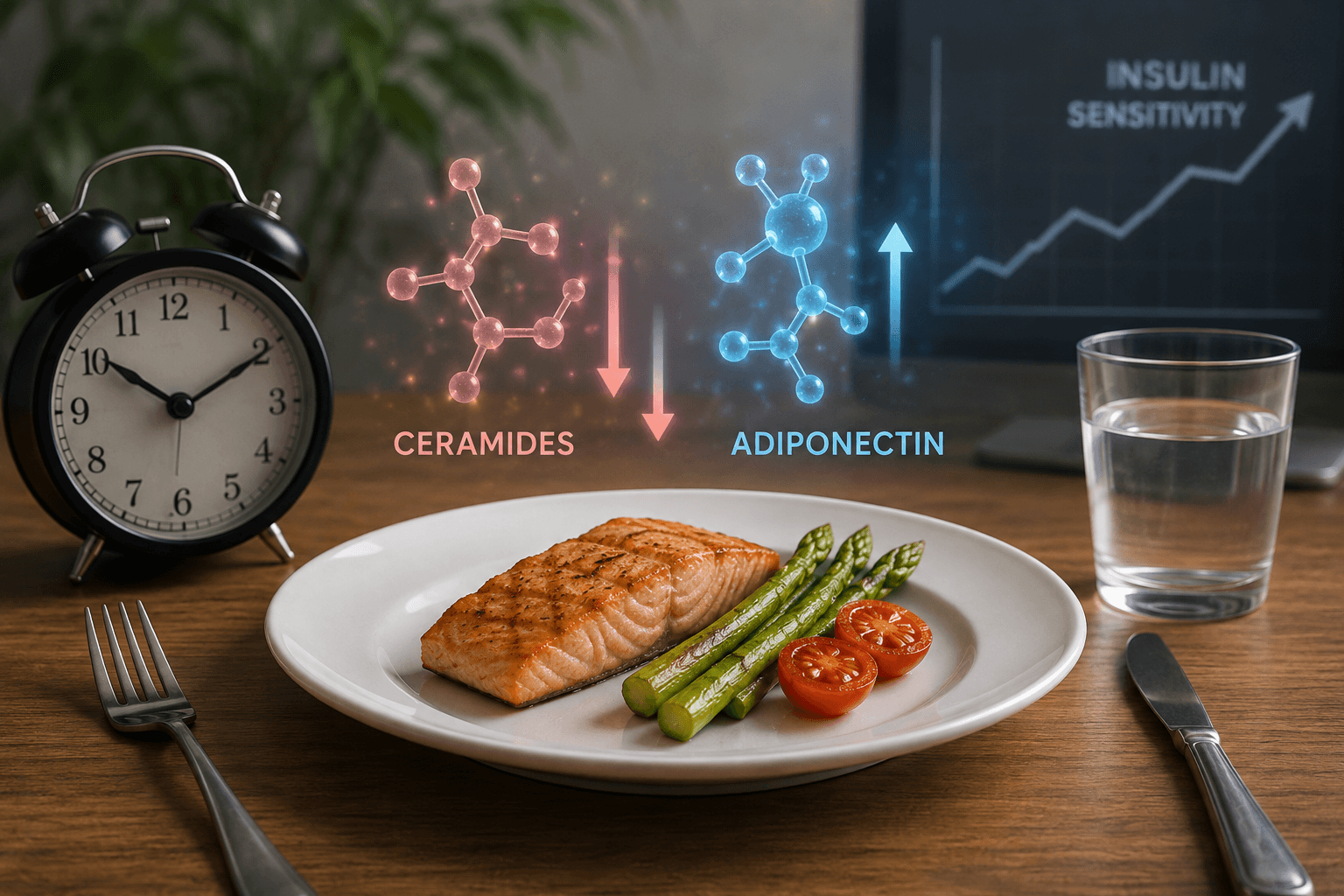
Why does eating less sometimes improve insulin sensitivity beyond what we might expect from weight loss alone? Human research points to an intriguing connection between ceramides, insulin resistance, and adiponectin. Findings from the CALERIE research program suggest that sustained, moderate calorie restriction changes circulating bioactive lipids in ways that may …
Read More »
Aug 25, 2026
Articles, Diabetes, GLP- 1 Agonist Therapy Center, GLP-1 Agonist Therapy Center, News, Ophthalmology, Physician oriented, Safety
3,634 views
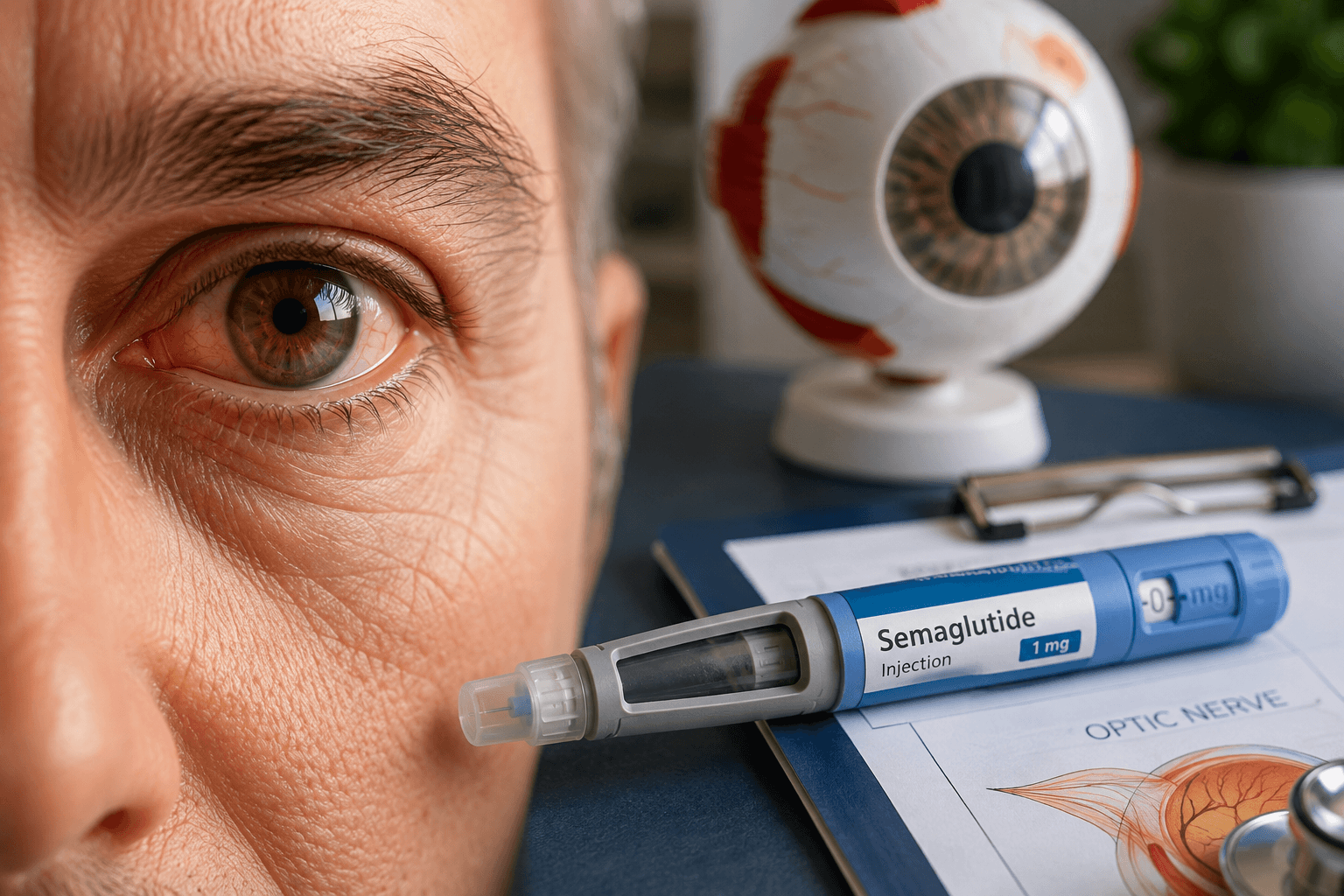
GLP-1 receptor agonists have transformed type 2 diabetes and obesity treatment, but a rare vision safety signal deserves clinicians’ attention. Emerging evidence has raised concerns about a potential NAION risk with GLP-1 therapy, particularly with semaglutide (Ozempic, Rybelsus, and Wegovy). Non-arteritic anterior ischemic optic neuropathy (NAION) can cause sudden, usually …
Read More »
Aug 24, 2026
Articles, Blood Glucose Control, Blood Glucose Control, Diabetes, Physician oriented, SGLT-2 Therapy Center
1,277 views
For people with diabetes, an unexpected glucose spike may have a less obvious cause than food or missed medication. Dehydration and high blood sugar can create a self-reinforcing cycle. When the body loses too much fluid, glucose becomes more concentrated in the bloodstream. At the same time, rising glucose can …
Read More »
Jun 26, 2026
Articles, GLP- 1 Agonist Therapy Center, Obesity, Obesity, Physician oriented, Safety, Therapies
2,339 views
As demand for GLP-1 receptor agonists continues to outpace supply, many patients have turned to compounded medications obtained through telehealth companies, medical spas, wellness clinics, and compounding pharmacies. While these products may improve access for some individuals, they also introduce important clinical, regulatory, and medicolegal challenges. Providers increasingly encounter patients …
Read More »
Dec 20, 2025
Articles, Blood Glucose Control, Diabetes, Diet & Nutrition, For Your Practice, Physician oriented, Practice Management, Type 2 Diabetes, Type 2 Diabetes
2,241 views
Effective diabetes care doesn’t happen in isolation. With millions of Americans living with diabetes, managing this chronic disease requires more than just a single doctor’s input. Team based diabetes care brings together primary care providers, pharmacists, dietitians, educators, and community health workers to create a more personalized and coordinated approach. …
Read More »
Dec 19, 2025
Articles, Diabetes, Diet and Nutrition, Feature, Healthtips, Physician oriented, Type 2 Diabetes, Type 2 Diabetes
4,217 views
Diabetes doesn’t look the same for every patient—so why should the care plan? Culturally tailored diabetes care recognizes that one-size-fits-all approaches often fall short in reaching patients from different backgrounds. Whether it’s language, food traditions, or health beliefs, culture plays a critical role in diabetes self-management. This article explores how …
Read More »
Dec 5, 2025
Articles, Cardiology, Diabetes, Mental Health, Nephrology, Physician oriented, Type 2 Diabetes, Type 2 Diabetes
6,713 views
Living with type 2 diabetes often means managing more than just blood glucose. For many patients, conditions like cardiovascular disease, chronic kidney disease, or depression take center stage in their care plan. When diabetes isn’t the main problem, how do you keep glucose control on track without compromising treatment for …
Read More »
Dec 4, 2025
Articles, Blood Glucose Control, Devices, Diabetes, Physician oriented, Type 2 Diabetes
1,375 views
Could continuous glucose monitoring (CGM) soon become the norm in primary care? Once considered a specialty tool reserved for endocrinologists, CGM is now recommended far earlier in diabetes treatment — even for patients with type 2 diabetes on basal insulin alone. Despite these guideline shifts, primary care adoption has lagged. …
Read More »
 Diabetes In Control. A free weekly diabetes newsletter for Medical Professionals. News and information for Medical Professionals.