 Diabetes In Control. A free weekly diabetes newsletter for Medical Professionals. News and information for Medical Professionals.
Can variability in HbA1c lead to a higher risk of mortality in persons with diabetes?
Read More »A1C as a Predictor of Mortality in Patients with Diabetes

Can variability in HbA1c lead to a higher risk of mortality in persons with diabetes?
Read More »
Man, 52 years of age, type 2 diabetes, obesity class II on Victoza. He was very pleased with treatment response, lowering glucose levels, feeling full and more satisfied, but having a skin reaction.
Read More »
Dasiglucagon is a glucagon analog stable in an aqueous formulation with FDA approval for severe hypoglycemia use. The target population is patients with diabetes who are six years of age and older, but how effective is it among other subgroups?
Read More »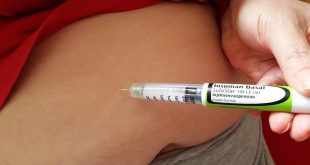
How does basal insulin compare to other diabetes medications in its impact on cholesterol and triglycerides?
Read More »
Several warnings have been issued by the CDC regarding unsafe practices that might result in the transmission of hepatitis B virus (HBV), hepatitis C virus (HCV), human immunodeficiency virus (HIV), and other infectious diseases during assisted blood glucose monitoring and insulin administration.
Read More »
A study was conducted to assess if HbA1c variability impacts the incidence of diabetic complications, all-cause and cardiovascular mortality.
Read More »
HbA1c variability and swings between hypo- and hyperglycemia can increase risk of developing cardiovascular disease.
Read More »
Recently I had a patient who was referred to me due to increased glucose levels, which happens all the time. However, this patient was referred because of the recent changes in fasting glucose levels. After attending a group diabetes class, the patient seemed to be improving self care and average fasting glucoses had dropped from around 165 mg/dl to 130 mg/dl. The readings held like this for two months and then started to rise again....
Read More »
I asked a patient with erratic glucose levels where he usually gave his insulin injections to which he responded, "In my arms." I asked, "Could you show me where?" The patient promptly rolled up his sleeves and pointed to the vein in his antecubital space.
Read More »
A female patient, 68 years of age, newly diagnosed with type 2 diabetes, had her initial visit with her endocrinologist and diabetes educator. Her second visit was then scheduled for two weeks later. However, the patient was a no-show for her second appointment....
Read More »