Oct 9, 2026
Blood Glucose Control, Diabetes, Featured, News, Therapies, Type 2 Diabetes
1,233 views
Early Phase 1b data suggest balomenib may improve glucose control after treatment ends. Learn what the results could mean for type 2 diabetes.
Read More »
Oct 7, 2026
Diet & Nutrition, Featured, Physical Activity, Prevention, Type 2 Diabetes
2,601 views
Genetic risk for type 2 diabetes may be inherited, but new research suggests diet, exercise, and sleep can still help lower overall risk.
Read More »
Oct 7, 2026
Articles, Blood Glucose Control, Featured, Oncology, Physician oriented, Type 2 Diabetes
1,244 views
Early hyperglycemia may influence cancer risk after type 2 diabetes diagnosis. See what a large cohort study found about early glycemic exposure.
Read More »
Oct 6, 2026
Diabetes, Metformin Therapy Center, Neuropathy & Pain, Physician oriented, Type 2 Diabetes
4,211 views
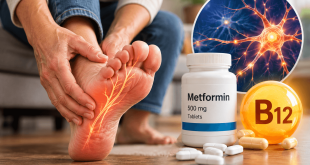
Metformin B12 deficiency can cause numbness that resembles diabetic neuropathy. Learn who is at risk, when to test B12, and why early detection matters.
Read More »
Oct 4, 2026
Blood Glucose Control, Cardiology, Diet & Nutrition, Featured, Type 2 Diabetes
2,747 views
New trial data suggest dietary fiber supplementation may lower systolic blood pressure in adults with type 2 diabetes and hypertension.
Read More »
Oct 3, 2026
Articles, Featured, Gastroenterology, Physician oriented, Type 2 Diabetes
2,178 views
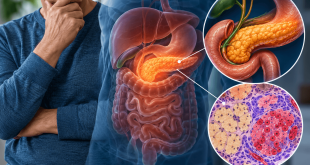
New research challenges assumptions about the exocrine pancreas in type 2 diabetes and what pancreatic findings may mean for clinical care.
Read More »
Oct 3, 2026
Articles, Blood Glucose Control, Mental Health, Therapies, Type 2 Diabetes
1,677 views
Discover how psychotherapy for type 2 diabetes may improve A1C, support self-management, and influence weight and metabolic health.
Read More »
Sep 22, 2026
Articles, Blood Glucose Control, Blood Glucose Control, Diet & Nutrition, Type 2 Diabetes, Type 2 Diabetes
20,839 views
Could the carbohydrates eaten at breakfast affect the blood sugar response to lunch? Research on resistant starch and the second-meal effect suggests they might. Resistant starch escapes much of the digestion that normally occurs in the small intestine. As a result, less of it is immediately converted to glucose, while …
Read More »
Sep 16, 2026
Articles, Blood Glucose Control, Blood Glucose Control, Cardiology, Physician oriented, Type 2 Diabetes, Type 2 Diabetes
2,148 views
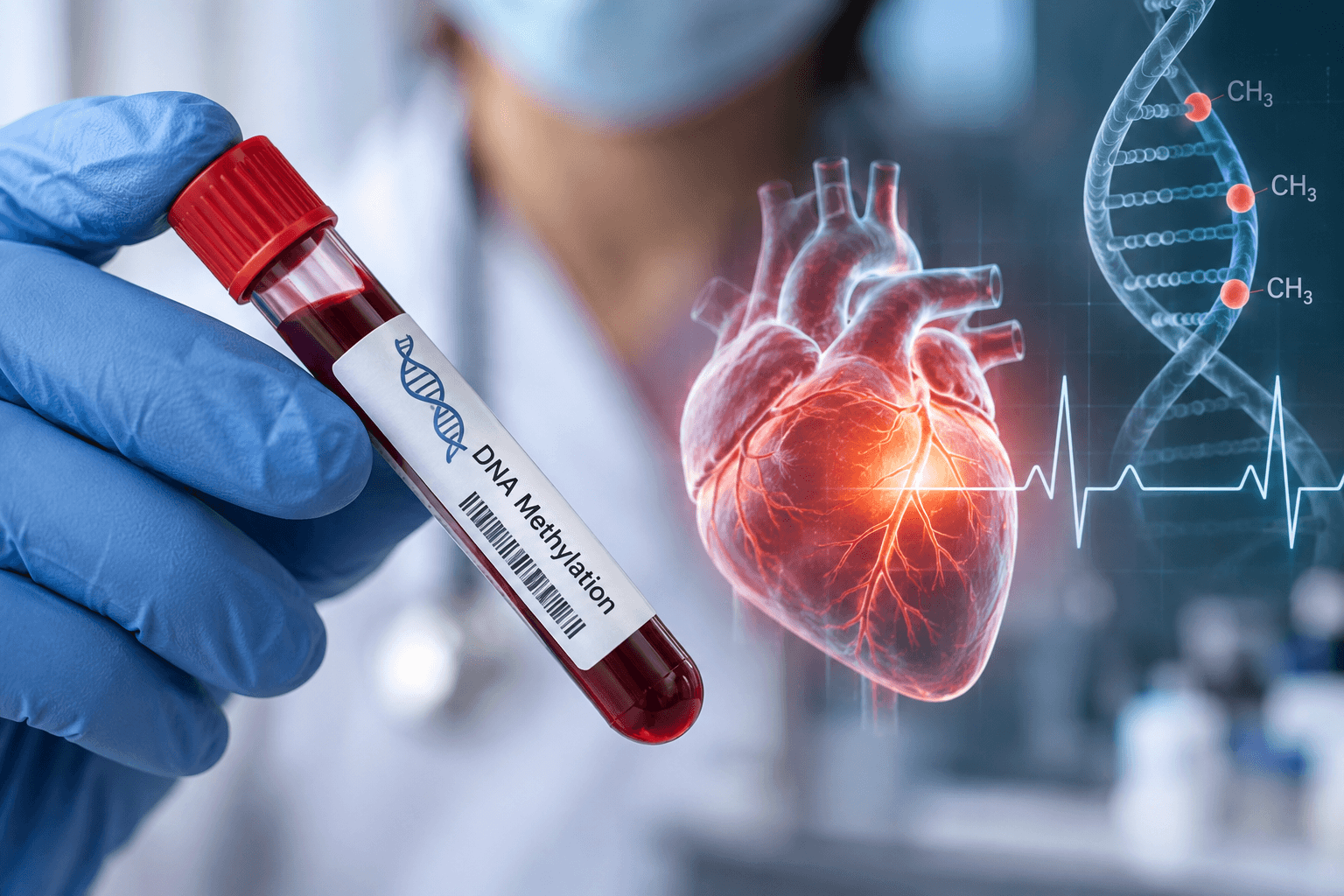
Could a routine blood sample someday reveal cardiovascular danger that cholesterol, blood pressure, and HbA1c do not fully capture? New research suggests that epigenetic cardiovascular risk prediction could offer a new way to identify people with type 2 diabetes who face a higher short-term risk of major cardiovascular events. Instead …
Read More »
Sep 16, 2026
Articles, Gastroenterology, GLP- 1 Agonist Therapy Center, GLP-1 Agonist Therapy Center, Neuropathy & Pain, Physician oriented, Safety, Type 2 Diabetes, Type 2 Diabetes
2,398 views
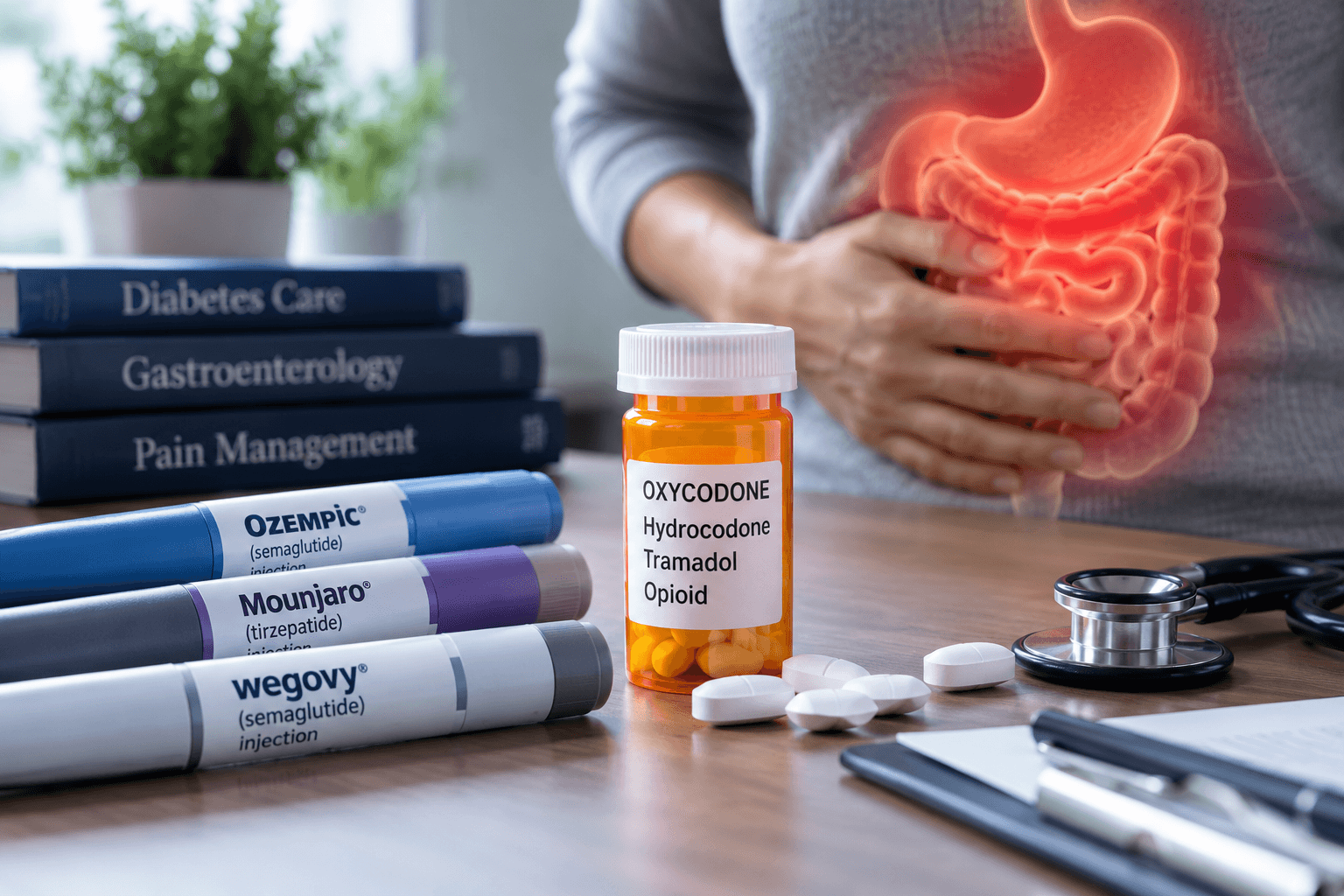
GLP-1 receptor agonists have transformed the treatment of type 2 diabetes, but their effects on gastrointestinal motility remain an important clinical consideration. Opioids can also slow gastrointestinal function, raising an obvious question: what happens when patients need both? New research examining GLP-1 and opioid interactions suggests that opioid choice may …
Read More »
 Diabetes In Control. A free weekly diabetes newsletter for Medical Professionals. News and information for Medical Professionals.