 Diabetes In Control. A free weekly diabetes newsletter for Medical Professionals. News and information for Medical Professionals.
In this week's Homerun Slides, finding the solution to ineffective disease management.
Read More »Future Use of Technology in Outpatient Care Part 6


In this week's Homerun Slides, finding the solution to ineffective disease management.
Read More »
Type 2 diabetes with hypoinsulinemia: A large body of clinical and experimental evidence documents that hyperinsulinemia and insulin resistance precede the onset of T2DM. Nonetheless, a number of studies have shown that absolute insulin deficiency, with or without impaired tissue insulin sensitivity, can lead to the development of T2DM. This scenario is best exemplified by patients with maturity onset diabetes of youth (MODY) [69–71]. This familial subtype of T2DM is characterized by early age of onset, autosomal dominant inheritance with high penetrance, mild-to-moderate fasting hyperglycemia, and impaired insulin secretion.
Read More »
Multi-center study compares closed-loop device to standard open-loop system in a home setting.
Read More »
Restoring Insulin Secretion (RISE) Pediatric Medication Study shows that youth have markedly reduced insulin sensitivity and respond differently to medications.
Read More »
Analysis of European Steno 2 study examines long-term economic implications of interventions targeting complications.
Read More »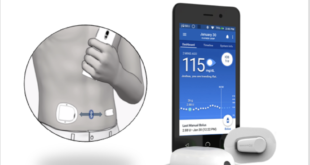
Hybrid closed-loop (HCL) system combines technology of CGM and insulin pumps, and a personalized, model-predictive control algorithm to deliver insulin day and night.
Read More »
One-year, randomized study shows lower HbA1c, blood glucose, blood pressure and body weight without significant increase in hypoglycemia.
Read More »
Mrs. Wilson is woman who is 71 years of age, African American and has excess weight. She has come to your clinic today for a new patient visit. She recently moved to the area to live with her daughter and is concerned about her diabetes care plan. She was diagnosed with type 2 diabetes 12 years ago at a wellness check through routine screening. In hindsight, she wonders if maybe she “went undiagnosed for a while” because she “didn’t get to the clinic very often and was having some problems with frequent urination at night” before she was screened. She currently takes metformin, glyburide, captopril, pravastatin, and aspirin, and has recently titrated to.6 U/kg/day insulin NPH as a nightly basal dose. Her current A1C goal is less than 7.5% and she has been working hard to get to that level. However, for the first time her life, she is finding herself to be nauseated and irritable in the morning, but always feels better after a little breakfast. She states she feels “pretty good for her age,” although she occasionally has “a little chest tightness when walking more than 4 or 5 blocks.” Last time she remembered to check her glucose was a few days ago. GHer postprandial glucose was “a little high” at 214 mg/dL. Her office A1C is 8.6%. Based on what you know about the patient, what is the most likely cause of her morning distress? A. Hyperglycemia B. Hypoglycemia C. Anxiety D. Cognitive decline Follow the link for the answer.
Read More »
Which brand of Continuous Glucose Monitor (CGM) do you prefer -- Dexcom, Abbott FreeStyle Libre, or Eversense? Follow the link to respond.
Read More »
In this week's Homerun Slides, a look at various principles of disease management.
Read More »