4 weeks ago
Articles, Diabetes, GLP- 1 Agonist Therapy Center, GLP-1 Agonist Therapy Center, News, Ophthalmology, Physician oriented, Safety
2,123 views
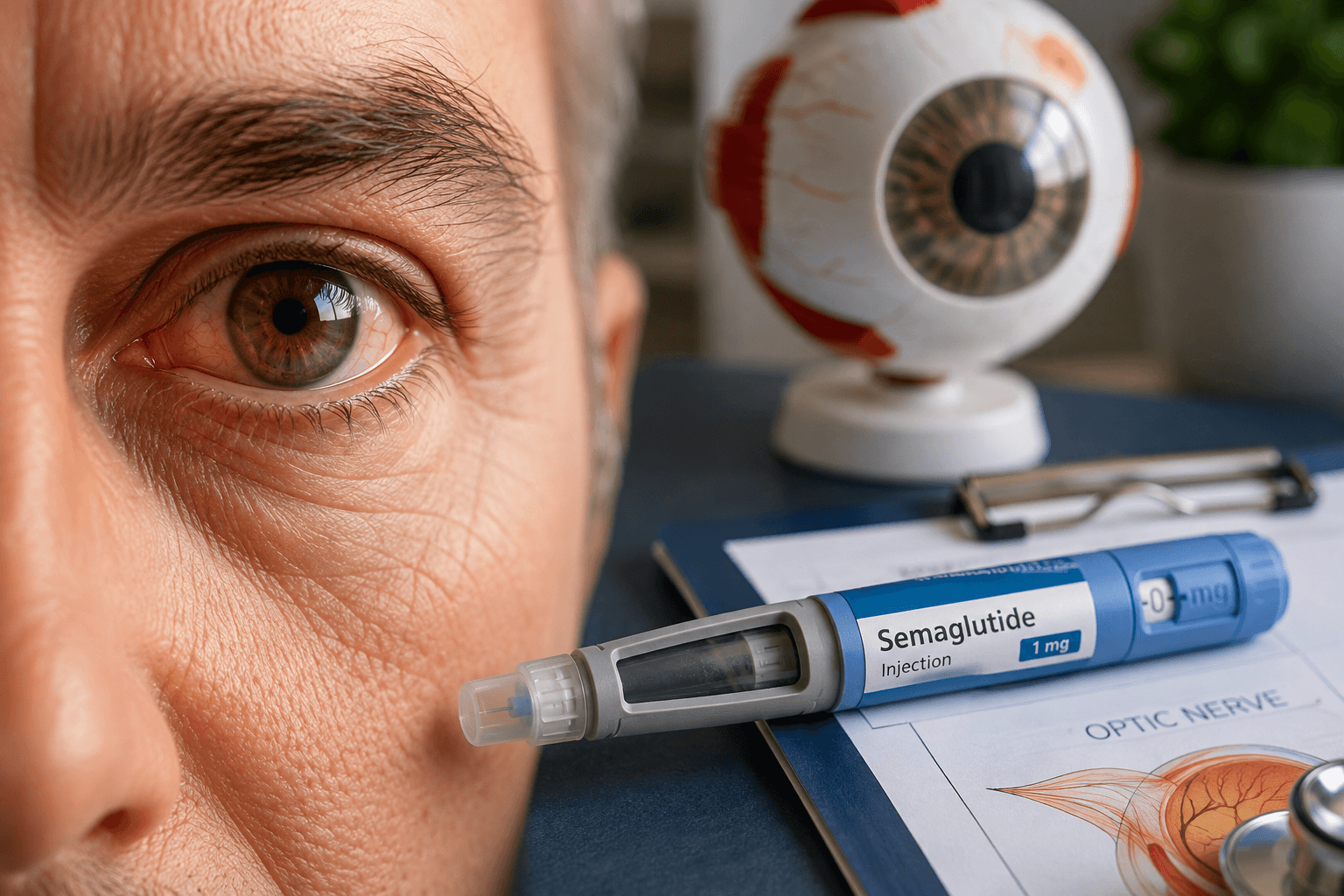
GLP-1 receptor agonists have transformed type 2 diabetes and obesity treatment, but a rare vision safety signal deserves clinicians’ attention. Emerging evidence has raised concerns about a potential NAION risk with GLP-1 therapy, particularly with semaglutide (Ozempic, Rybelsus, and Wegovy). Non-arteritic anterior ischemic optic neuropathy (NAION) can cause sudden, usually …
Read More »
4 weeks ago
Articles, Diabetes, Neuropathy & Pain, Podiatry, Wound Care
1,369 views
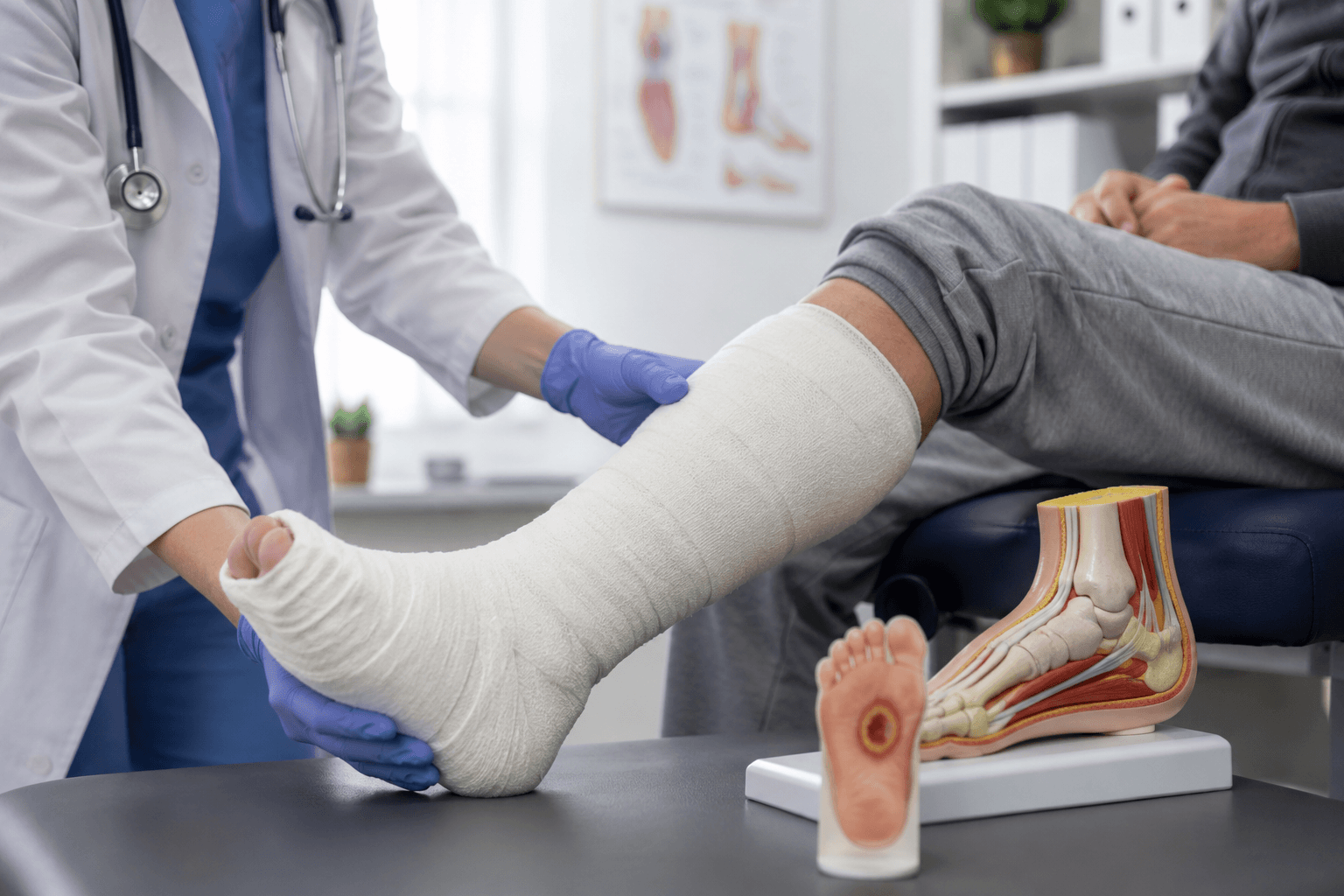
Diabetic foot ulcer offloading is one of the most important parts of treating a neuropathic plantar ulcer, yet the most effective approaches are still not routinely used. Non-removable knee-high devices, including total contact casts and non-removable walkers, can reduce damaging pressure while supporting wound healing. So why does a treatment …
Read More »
4 weeks ago
Articles, Blood Glucose Control, Blood Glucose Control, Diabetes, Physician oriented, SGLT-2 Therapy Center
561 views
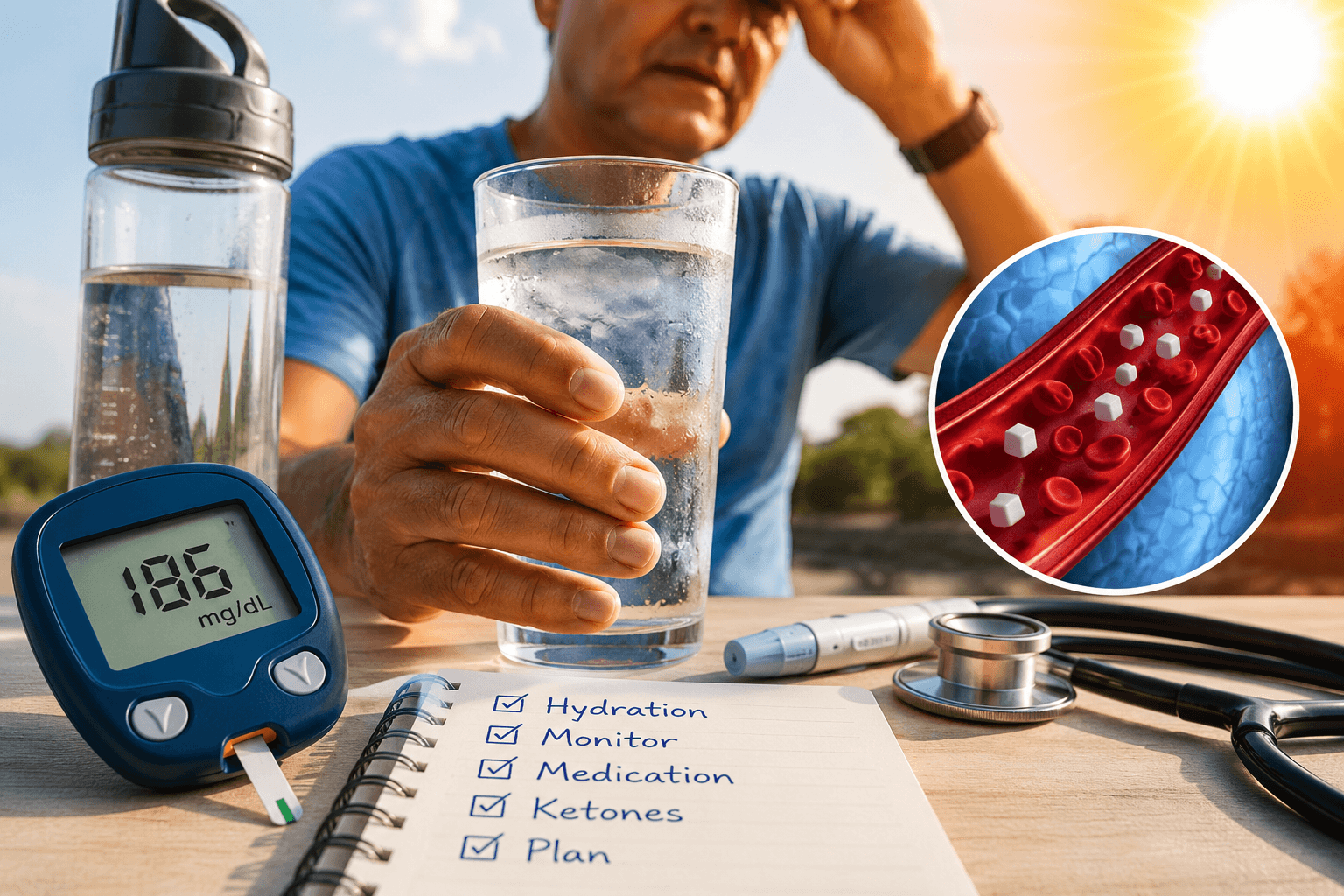
For people with diabetes, an unexpected glucose spike may have a less obvious cause than food or missed medication. Dehydration and high blood sugar can create a self-reinforcing cycle. When the body loses too much fluid, glucose becomes more concentrated in the bloodstream. At the same time, rising glucose can …
Read More »
4 weeks ago
Articles, Blood Glucose Control, Blood Glucose Control, Diabetes
4,188 views
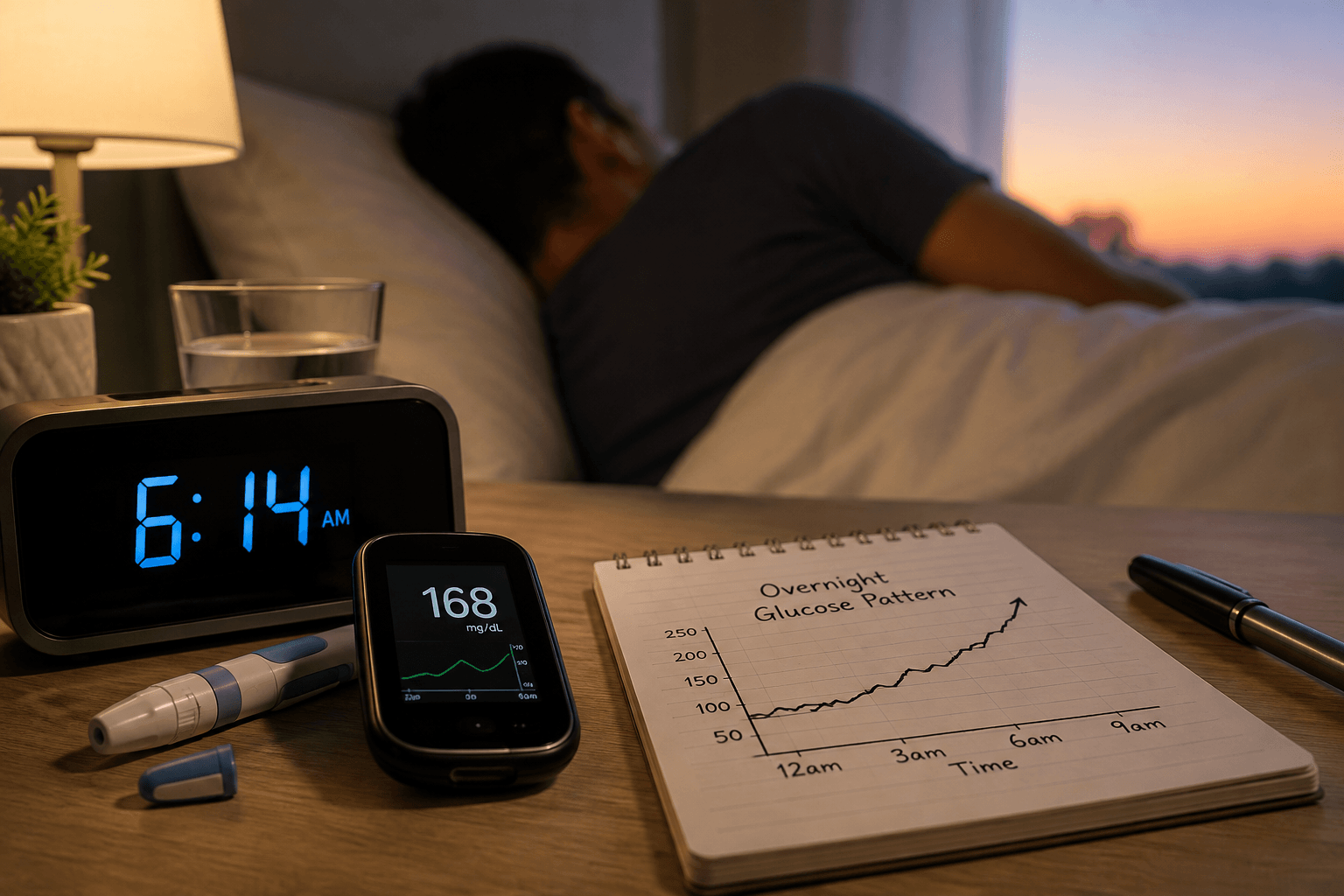
You went to bed with your blood sugar in range, skipped the midnight snack, and still woke up high. What happened? For many people with diabetes, natural early-morning hormone changes may be responsible. Understanding the dawn phenomenon can help you recognize this pattern and discuss safe ways to improve morning …
Read More »
Aug 21, 2026
Articles, Blood Glucose Control, Blood Glucose Control, Diabetes, Exercise, Physical Activity, Type 2 Diabetes, Type 2 Diabetes
1,020 views
Finding time for a full workout can be difficult, but what if two minutes of movement still mattered? Emerging research on exercise snacking for diabetes suggests that brief bursts of activity spread throughout the day may reduce post-meal glucose excursions and limit some metabolic effects of prolonged sitting. Instead of …
Read More »
Aug 20, 2026
Articles, Blood Glucose Control, Blood Glucose Control, Diabetes, Diet and Nutrition, Type 2 Diabetes, Type 2 Diabetes
692 views
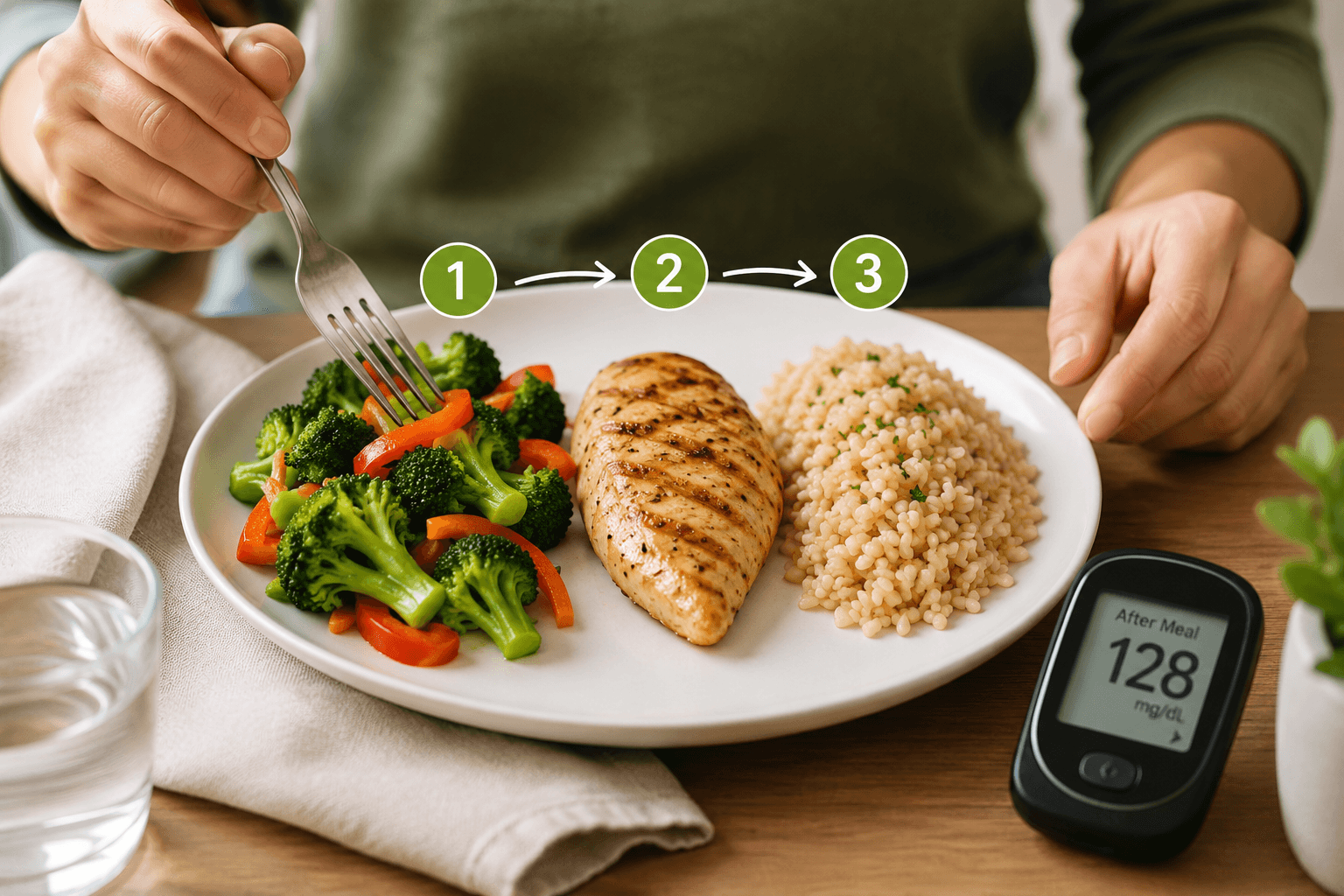
Could changing the order of foods on your plate improve blood sugar without changing what you eat? Research on food sequencing for diabetes suggests it may. Eating vegetables, fiber-rich foods, and protein before carbohydrate-rich foods can reduce post-meal glucose rises in some people. Rather than removing rice, bread, pasta, or …
Read More »
Aug 18, 2026
Articles, Blood Glucose Control, Blood Glucose Control, Diabetes, Safety, SGLT-2 Therapy Center
4,291 views
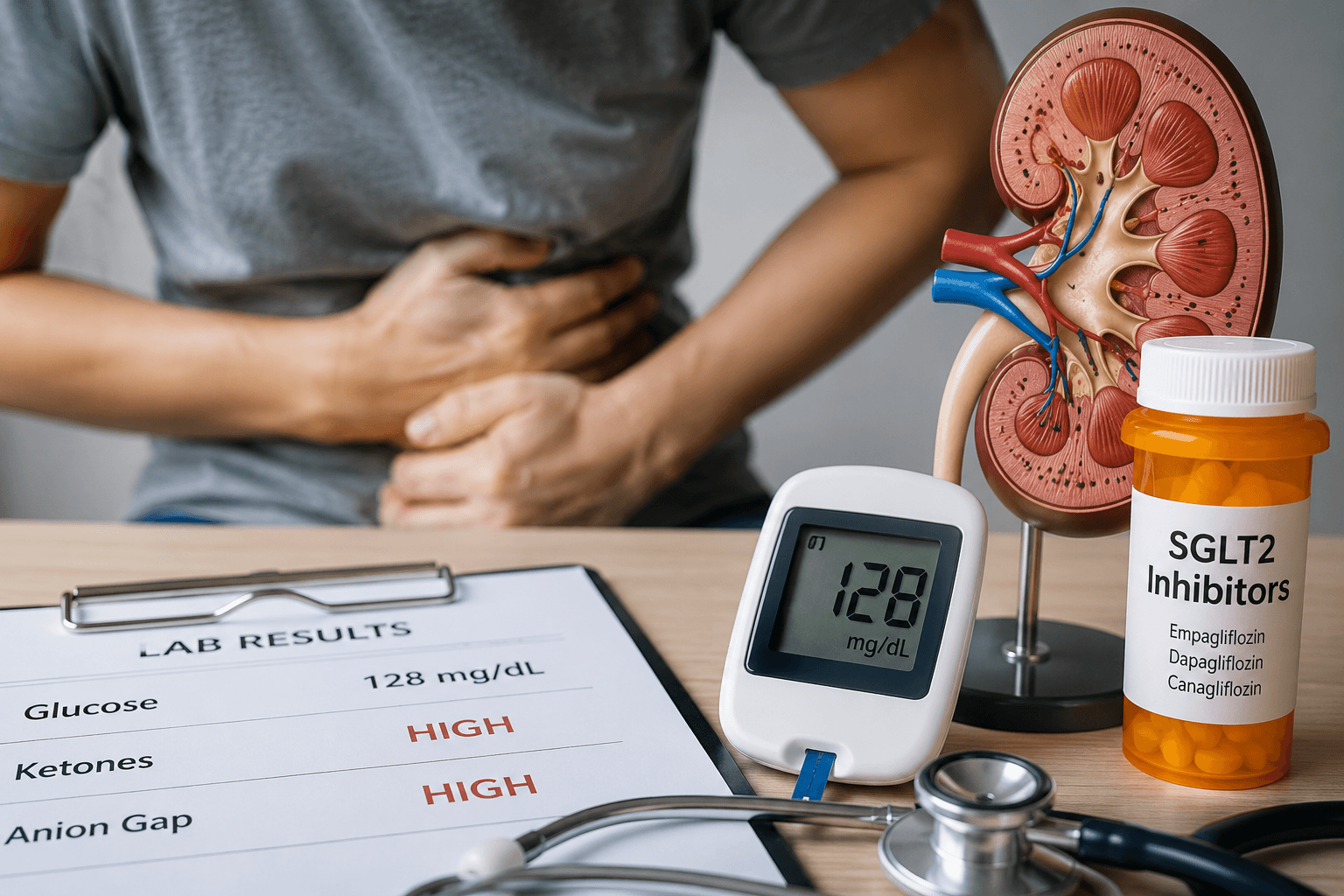
Euglycemic diabetic ketoacidosis can challenge one of the most familiar clinical shortcuts in diabetes care: DKA should come with markedly elevated glucose. In patients taking sodium-glucose cotransporter 2 (SGLT2) inhibitors, however, dangerous ketoacidosis may develop while glucose remains normal or only modestly elevated. As a result, euglycemic DKA in patients …
Read More »
Aug 18, 2026
Articles, Blood Glucose Control, Blood Glucose Control, Dermatology, Devices, Diabetes, Prevention, Safety
887 views
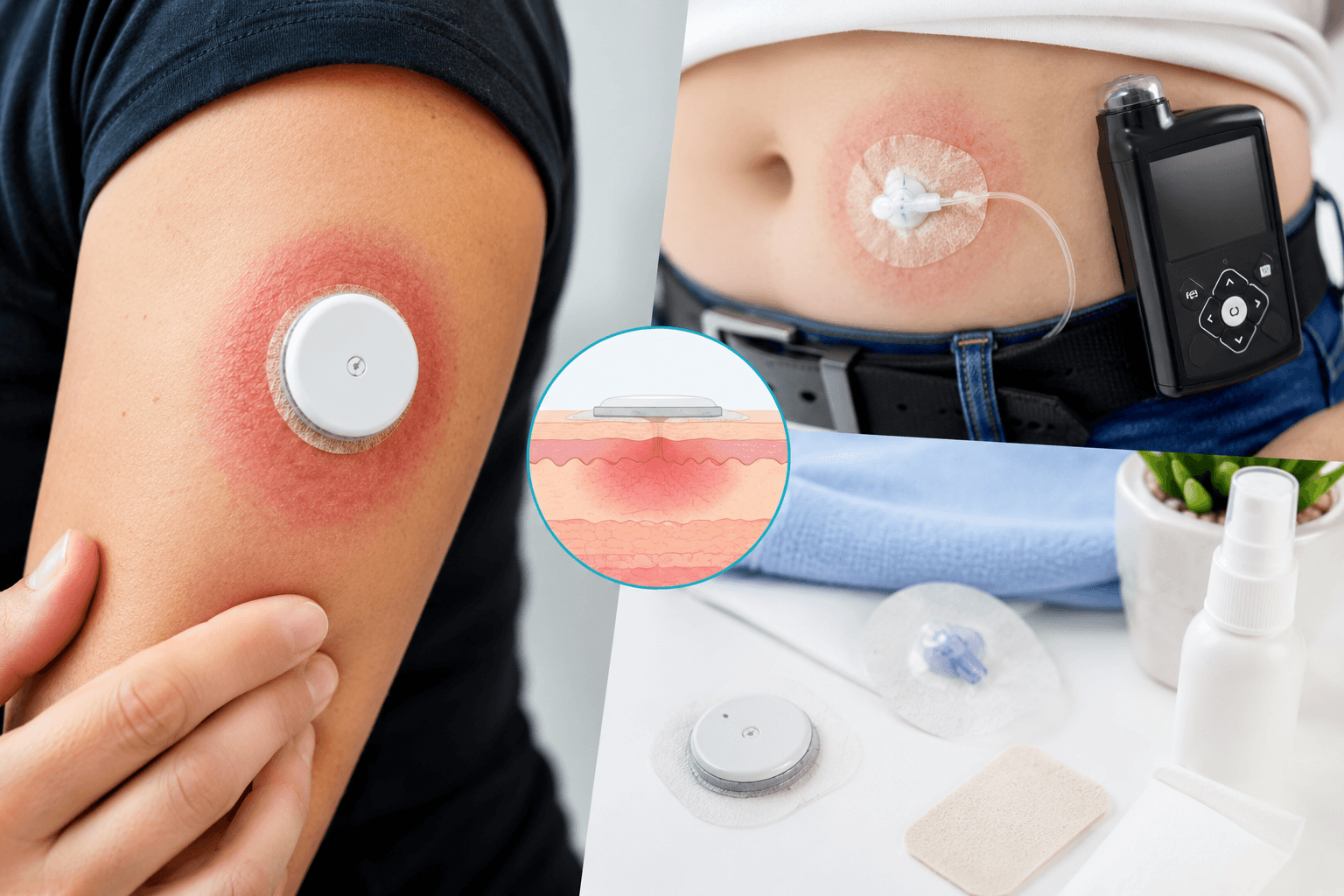
Continuous glucose monitors (CGMs) and insulin pumps can transform diabetes management, but the technology only works when patients can comfortably keep wearing it. CGM skin irritation can turn a valuable device into a daily source of itching, redness, pain, or damaged skin. In some cases, the reaction becomes severe enough …
Read More »
Aug 17, 2026
Articles, Blood Glucose Control, Blood Glucose Control, Diabetes, Diet and Nutrition, Obesity, Surgery
633 views
Blood glucose may improve dramatically after metabolic or bariatric surgery. Yet, for some patients, a very different glucose problem develops months or years later. Post-bariatric hypoglycemia can cause sudden drops in blood glucose after meals, with symptoms ranging from sweating and tremor to confusion, seizures, or loss of consciousness. Because …
Read More »
Aug 14, 2026
AI-news, Articles, Blood Glucose Control, Blood Glucose Control, Cardiology, Diabetes, Nephrology, Ophthalmology
4,074 views
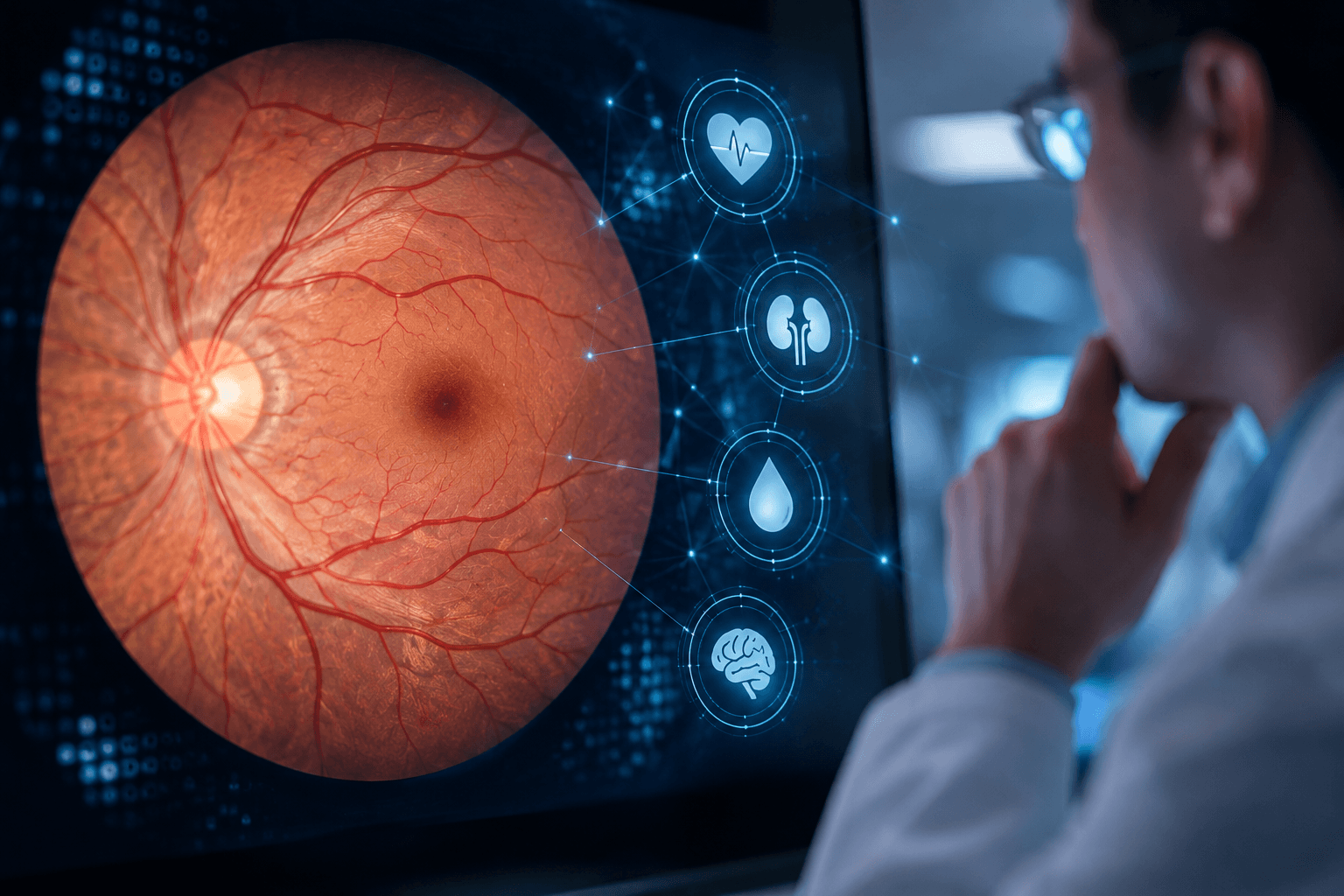
For people with diabetes, a retinal photograph has traditionally answered one major question: Is diabetic retinopathy developing? However, artificial intelligence is beginning to uncover much more. Emerging retinal AI models for systemic risk assessment can detect patterns associated with cardiovascular disease, kidney disease, blood pressure, and metabolic health. As a …
Read More »
 Diabetes In Control. A free weekly diabetes newsletter for Medical Professionals. News and information for Medical Professionals.