3 weeks ago
Articles, Blood Glucose Control, Blood Glucose Control, Diabetes, Pediatrics, Type 1 Diabetes, Type 1 Diabetes
1,013 views
Does being diagnosed with type 1 diabetes at age 6 carry the same long-term risks as being diagnosed at 16? Researchers have been asking that question for years. Increasingly, evidence suggests that age at type 1 diabetes onset may help explain differences in complication patterns later in life. However, age …
Read More »
3 weeks ago
Articles, Gestational Diabetes, Physical Activity, Prevention, Type 2 Diabetes, Type 2 Diabetes, Women's Health
686 views
Diabetes prevention remains important long after a pregnancy affected by gestational diabetes. For people who have had gestational diabetes, the years after delivery are an important window for lowering the risk of Type 2 diabetes. Yet healthy choices do not happen in a vacuum. Where someone lives may affect whether …
Read More »
3 weeks ago
Articles, Blood Glucose Control, Blood Glucose Control, Devices, Diabetes, Prevention, Safety, Type 1 Diabetes, Type 1 Diabetes
2,024 views
Continuous glucose monitoring has changed how clinicians and people with diabetes think about glucose control. Yet the next question is more important than whether CGM improves A1C or Time in Range. Can it prevent events that send patients to the emergency department or hospital? Growing evidence suggests that CGM may …
Read More »
3 weeks ago
Articles, News, Therapies, Type 1 Diabetes, Type 1 Diabetes
845 views
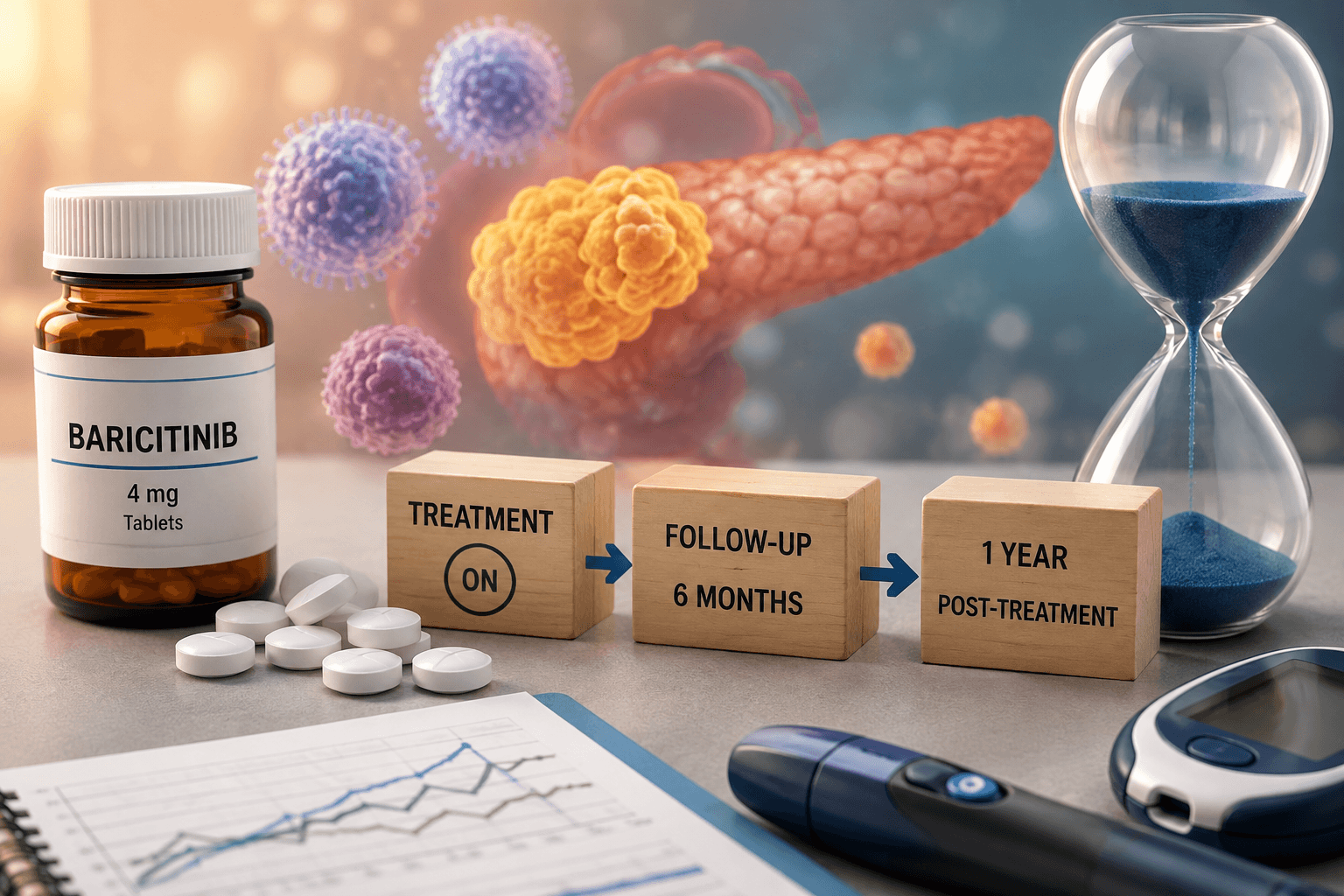
New follow-up research on baricitinib for type 1 diabetes addresses a crucial question: what happens after the drug is stopped? The original BANDIT trial showed that 48 weeks of oral baricitinib helped preserve beta-cell function in people with recently diagnosed type 1 diabetes. However, new follow-up research examines participants through …
Read More »
3 weeks ago
Articles, Blood Glucose Control, Blood Glucose Control, Cardiology, Type 2 Diabetes, Type 2 Diabetes
3,642 views
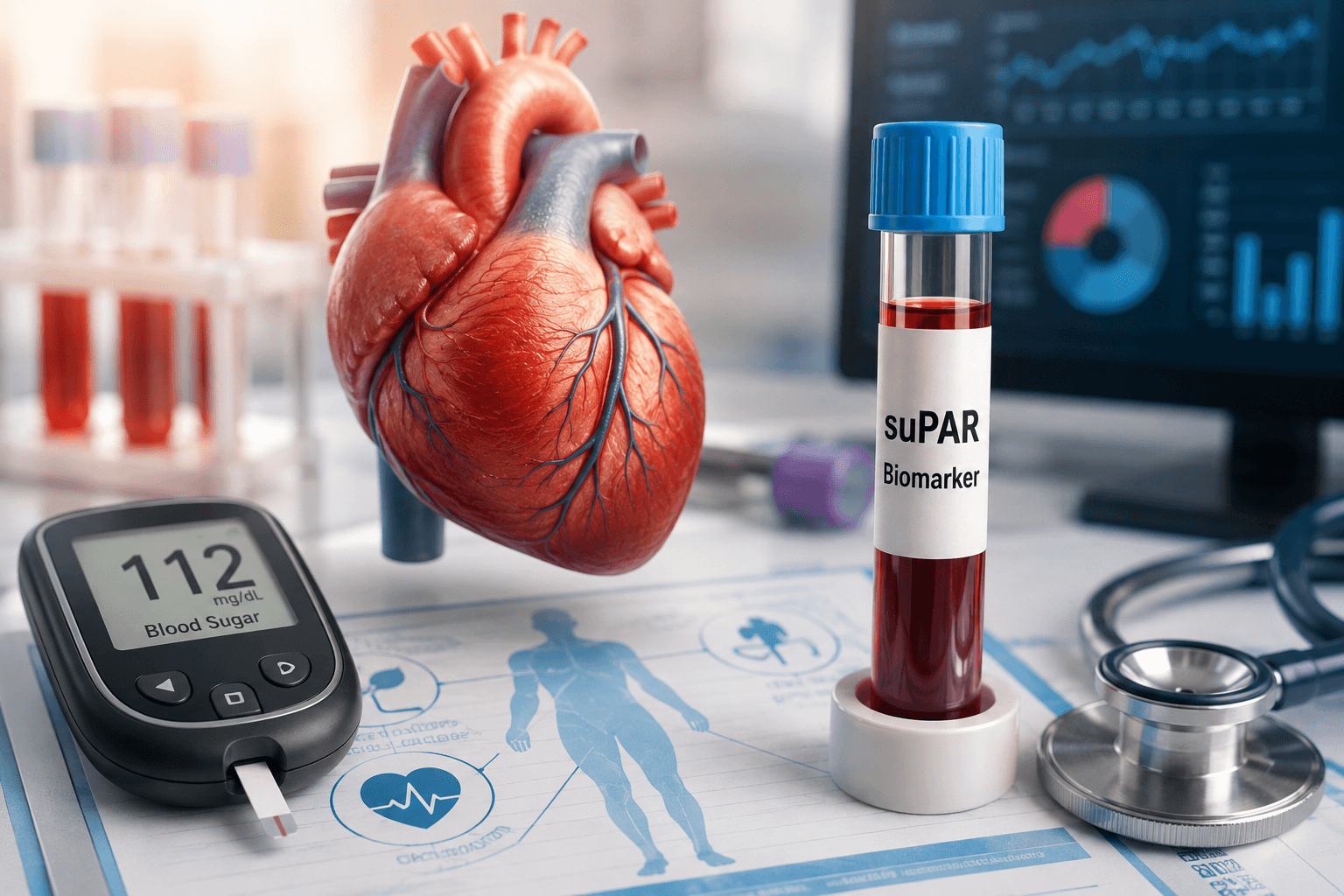
People with type 2 diabetes can face substantial cardiovascular risk even when clinicians address familiar risk factors such as LDL cholesterol, blood pressure, smoking, and blood glucose. Could another blood marker help reveal some of the risk that remains? Emerging research on the suPAR biomarker in diabetes suggests it may …
Read More »
3 weeks ago
Articles, Blood Glucose Control, Blood Glucose Control, Diet & Nutrition, Obesity, Prevention, Type 1 Diabetes, Type 1 Diabetes
949 views
Efforts to prevent or delay type 1 diabetes have traditionally focused on the autoimmune attack that destroys insulin-producing beta cells. However, emerging research suggests metabolic stress may also influence how quickly vulnerable people progress to clinical disease. A 2026 TrialNet analysis found that autoantibody-positive people with overweight or obesity who …
Read More »
3 weeks ago
Articles, News, Prevention, Type 1 Diabetes, Type 1 Diabetes
5,470 views
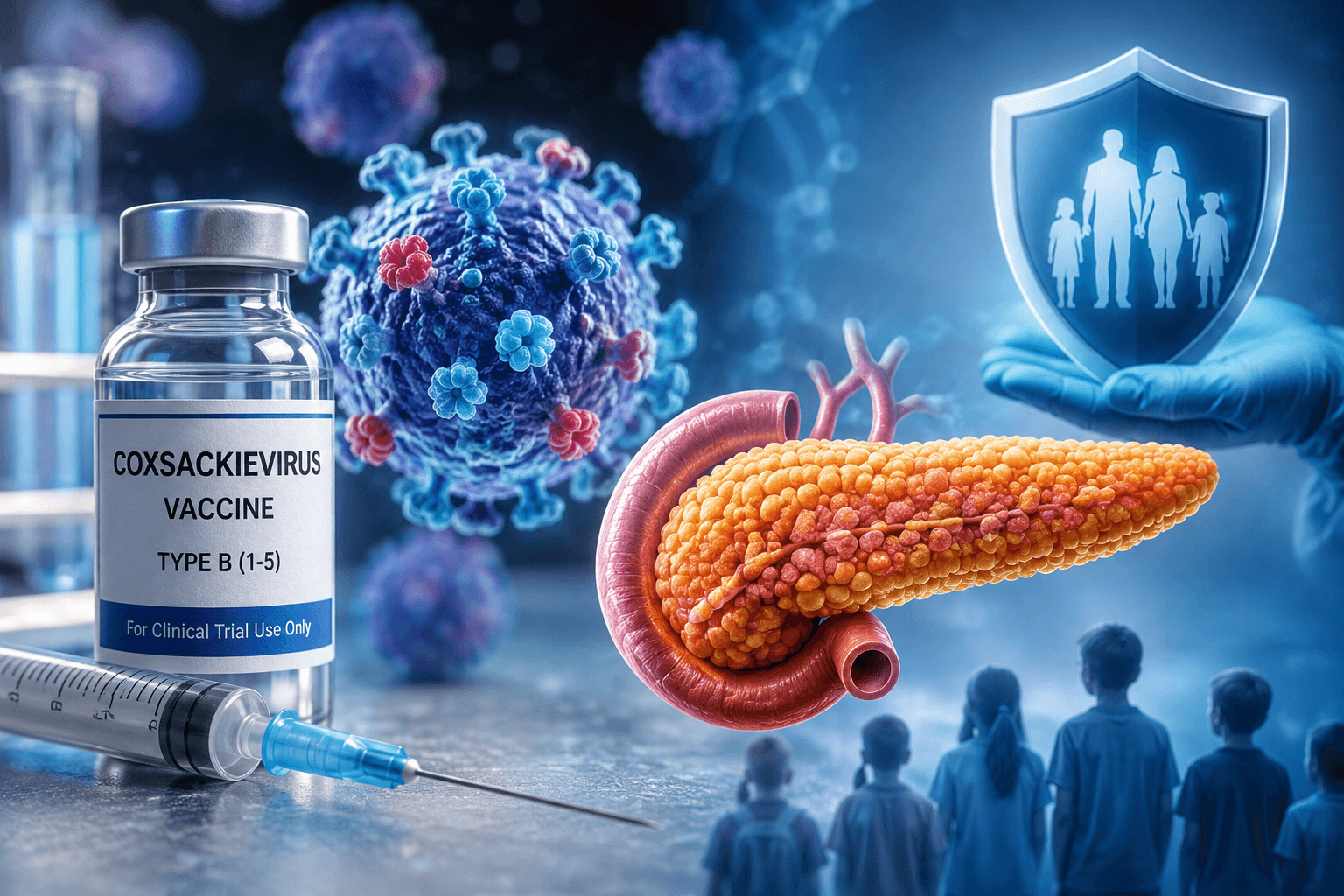
Could preventing a common viral infection also prevent some cases of type 1 diabetes? Researchers have pursued that question for decades, and the first human vaccine studies are providing important clues. The idea of using a Coxsackievirus vaccine to help prevent type 1 diabetes focuses on certain Coxsackie B viruses, …
Read More »
3 weeks ago
Articles, Blood Glucose Control, Blood Glucose Control, Therapies, Transplants, Type 1 Diabetes, Type 1 Diabetes
1,013 views
Donor islet transplantation has long offered an intriguing possibility for people with severe type 1 diabetes: restore the body’s ability to make insulin instead of only replacing insulin from the outside. However, there has always been a major tradeoff. Patients need powerful immunosuppressive drugs to keep transplanted cells alive, and …
Read More »
4 weeks ago
Articles, Cardiology, Diabetes, Therapies, Type 2 Diabetes, Type 2 Diabetes
1,550 views
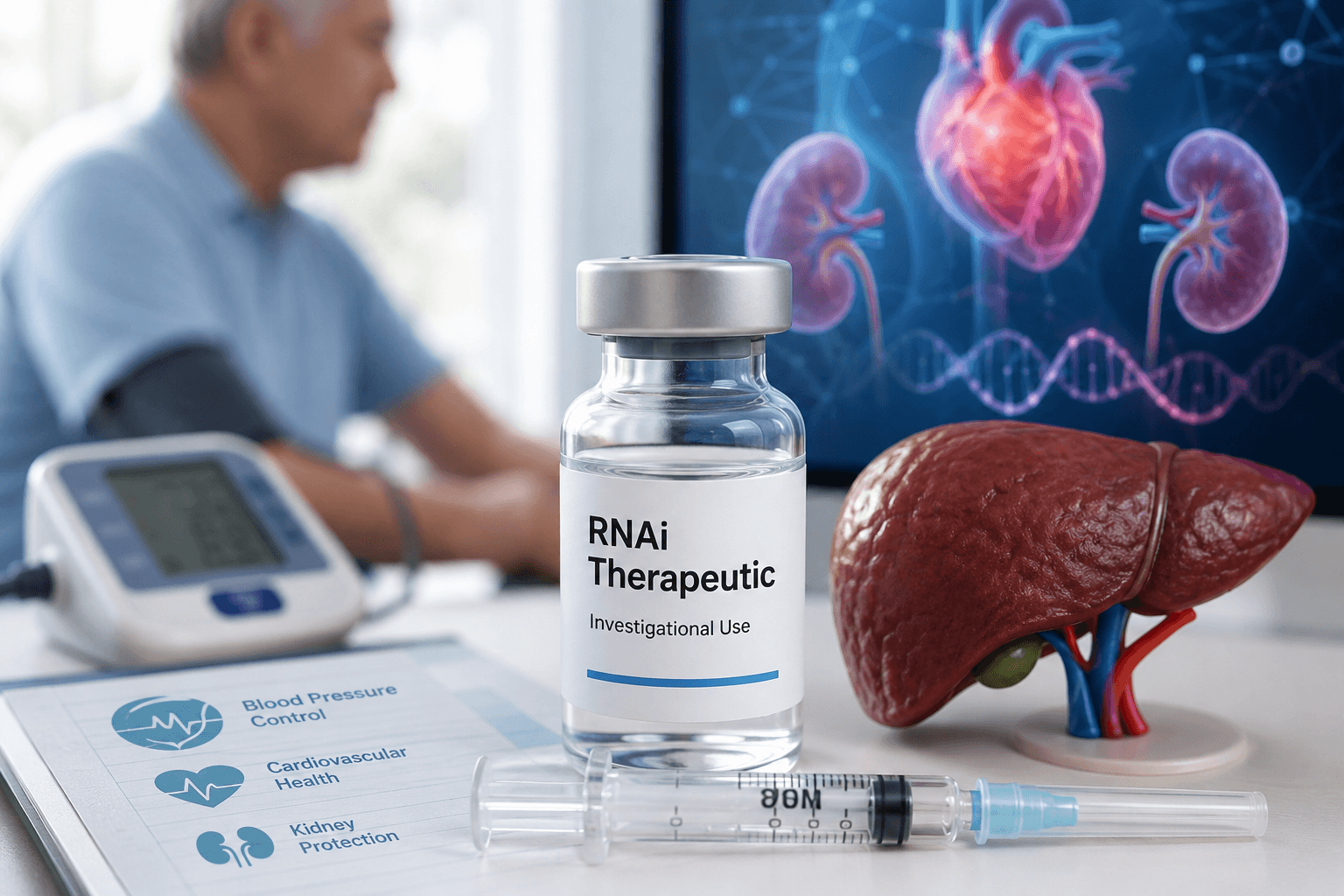
Poor medication persistence remains one of the hardest barriers to long-term blood pressure control. For people with diabetes, the stakes are especially high because hypertension adds to cardiovascular and kidney risk. Now, research into RNAi for hypertension in people with diabetes is raising an intriguing possibility: could an injection given …
Read More »
4 weeks ago
Articles, Blood Glucose Control, Blood Glucose Control, Devices, Diabetes, Insulin Therapy Center
889 views
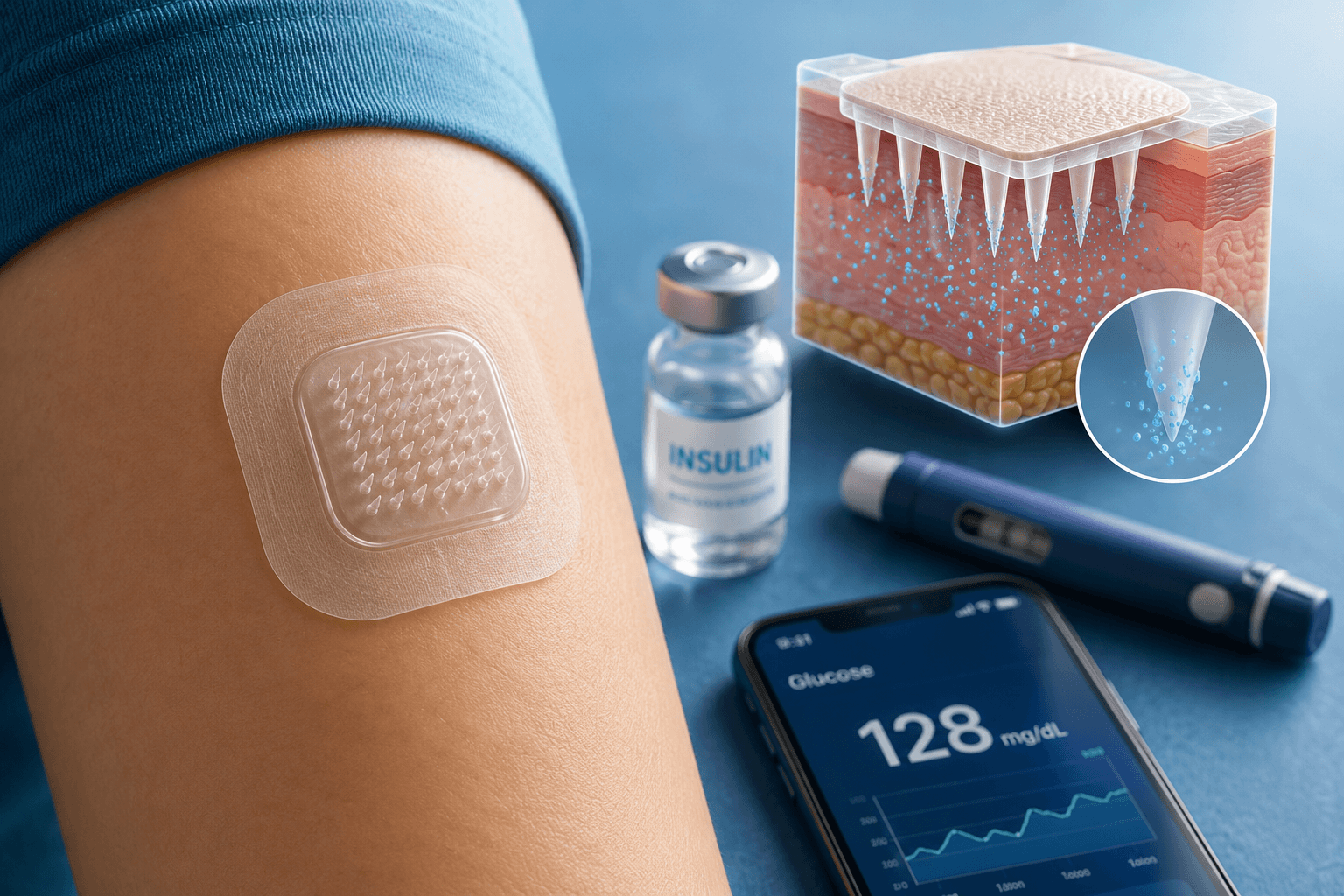
For millions of people who use injectable diabetes medications, treatment can mean living with needles every day. What if a small skin patch could eventually deliver insulin or other therapies with far less discomfort? Researchers studying microneedle patches for diabetes hope to make that possibility practical. These experimental patches use …
Read More »
 Diabetes In Control. A free weekly diabetes newsletter for Medical Professionals. News and information for Medical Professionals.