 Diabetes In Control. A free weekly diabetes newsletter for Medical Professionals. News and information for Medical Professionals.
When glucose numbers improve, patients are expected to feel better. Yet some people with type 1 diabetes report the opposite. A glucose level that looks reassuring on a continuous glucose monitor may leave them feeling tired, uncomfortable, or simply “off.” New research suggests that glycemic habituation may help explain this …
Read More »Dialysis Changes the Rules: What Happens When Patients With Diabetes Use Real-Time CGM?
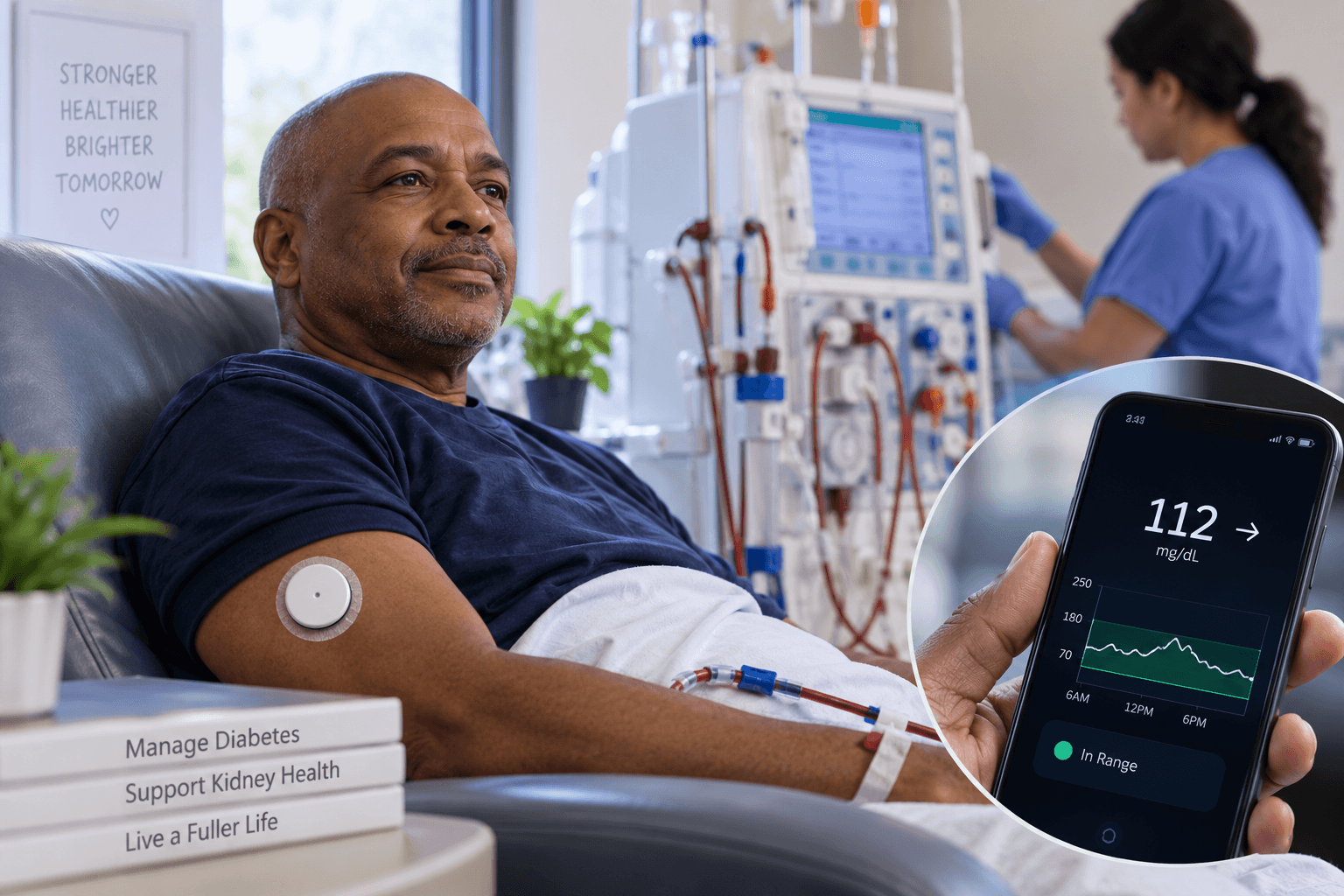
Managing glucose is rarely simple for people with Type 2 diabetes who receive maintenance hemodialysis. Dialysis can change glucose patterns, insulin needs, and the reliability of familiar measures such as A1C. As a result, clinicians may have an incomplete picture when making treatment decisions. New randomized research on CGM use …
Read More »Three Decades of Better Type 1 Diabetes Care: Have Complications Actually Declined?
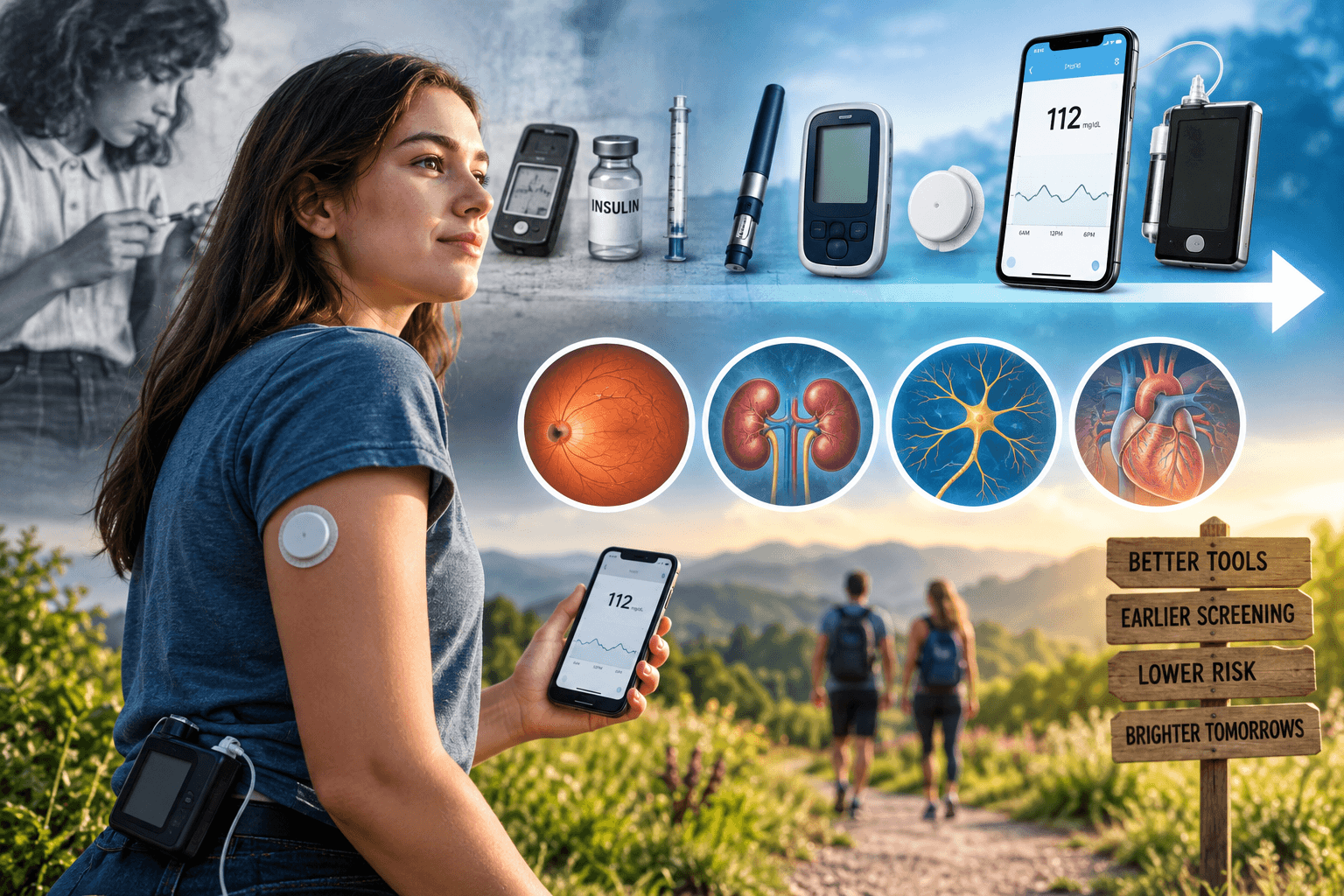
Three decades of advances in diabetes care have transformed how people with type 1 diabetes manage glucose. Insulin pumps, continuous glucose monitoring (CGM), improved insulin analogs, automated insulin delivery, and earlier screening have all changed daily treatment. However, have these advances actually reduced the long-term complications of type 1 diabetes? …
Read More »Beyond A1C: Can CGM Help Prevent Severe Hypoglycemia and DKA?
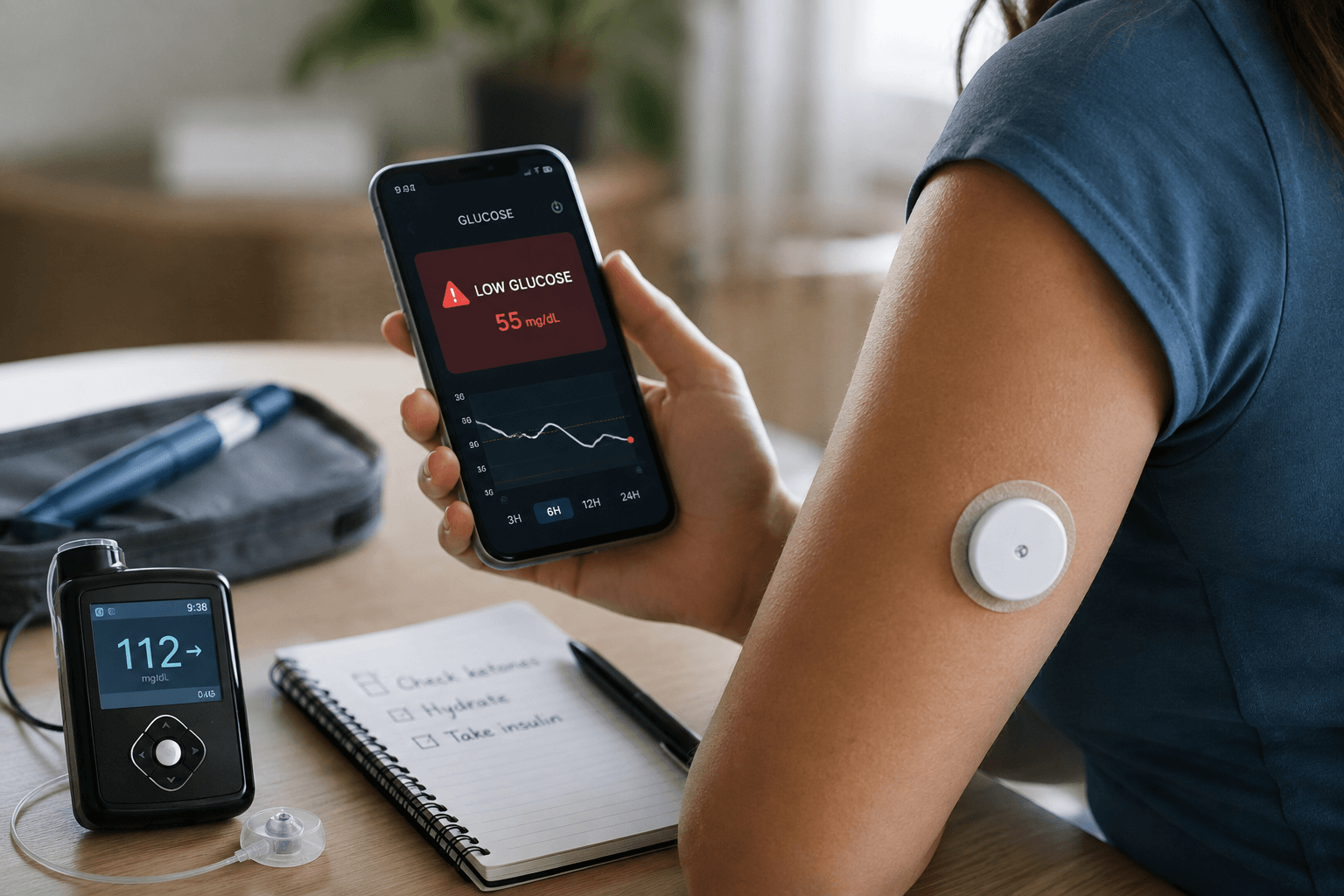
Continuous glucose monitoring has changed how clinicians and people with diabetes think about glucose control. Yet the next question is more important than whether CGM improves A1C or Time in Range. Can it prevent events that send patients to the emergency department or hospital? Growing evidence suggests that CGM may …
Read More »Can Bi-Hormonal Systems Finally Eliminate Severe Hypoglycemia?
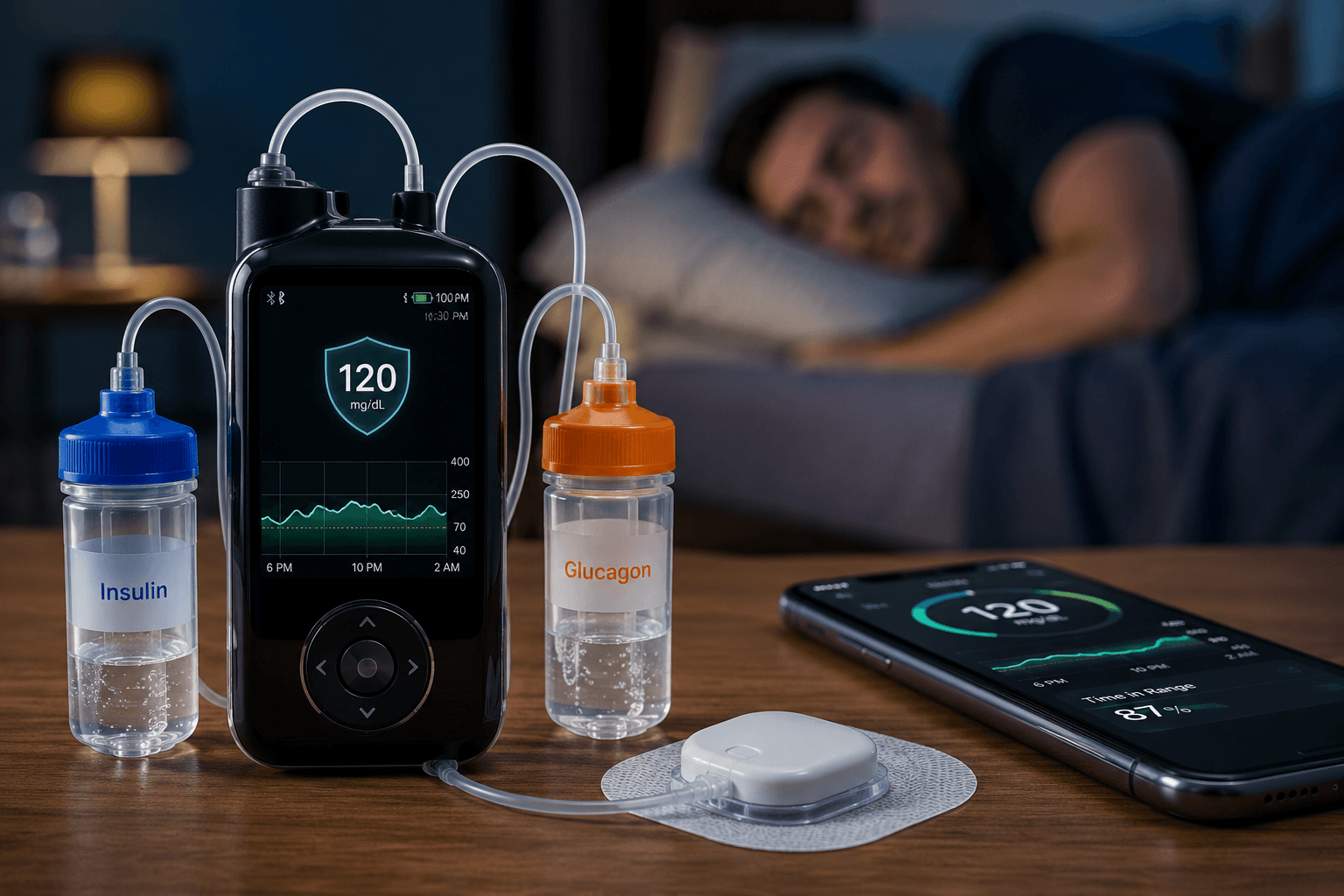
Many people with type 1 diabetes live with the constant fear of blood glucose dropping too low. Even today’s most advanced automated insulin delivery systems cannot actively raise glucose once levels begin to fall. Instead, they can only reduce or suspend insulin delivery. A dual-hormone artificial pancreas system changes that …
Read More »The “Graveyard Shift” Penalty: Why Night-Shift Workers Face a Hidden Diabetes Challenge

Night-shift work keeps hospitals, factories, transportation systems, and emergency services running around the clock. However, while society benefits from overnight workers, their metabolic health often pays the price. Recent continuous glucose monitoring (CGM) studies have shown that shift work is strongly associated with greater glycemic variability in people with diabetes, …
Read More »Why Blood Sugar Changes Every Month: Using CGM to Manage Luteal Phase Insulin Resistance
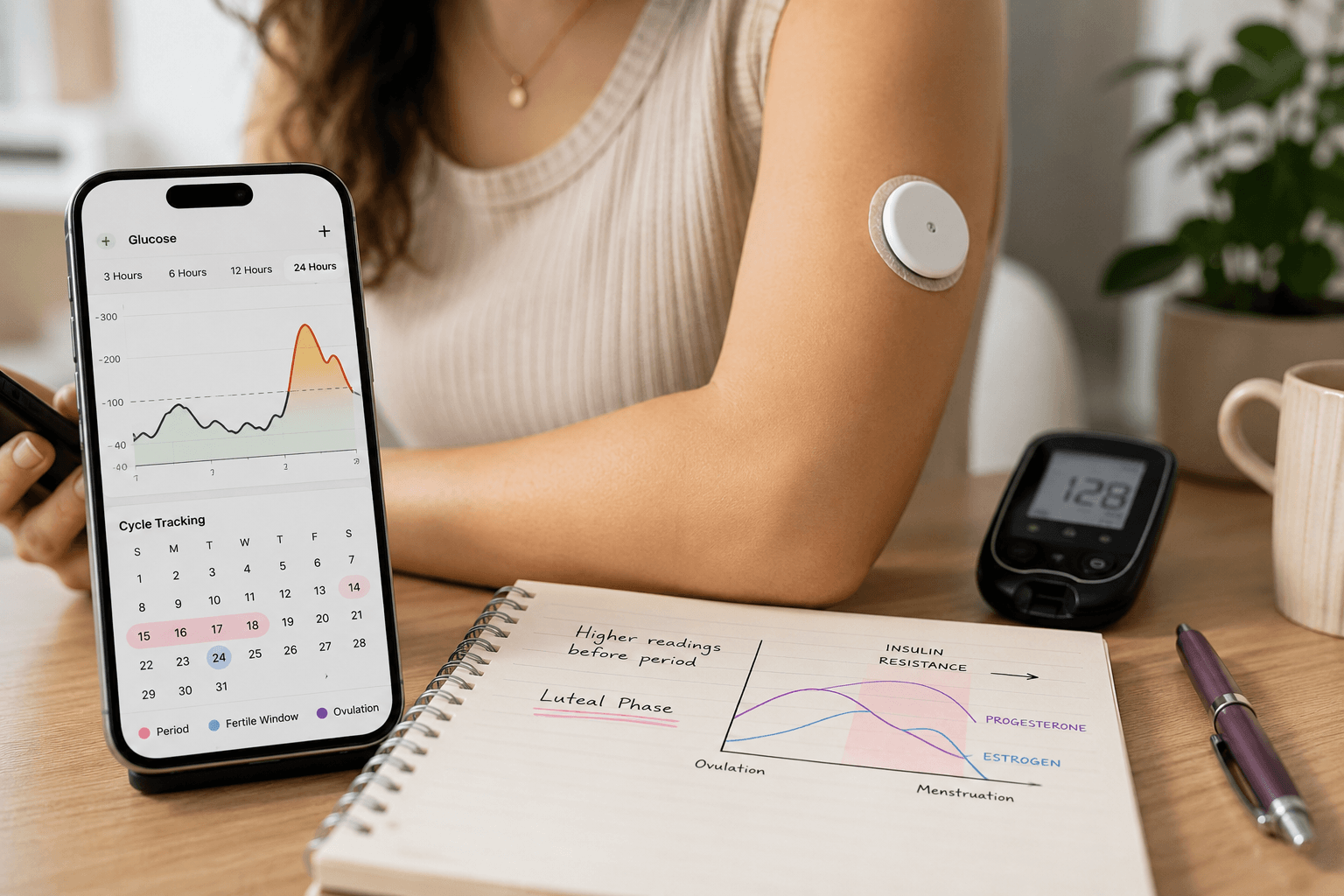
Many women with diabetes notice that blood sugar levels become harder to control during certain weeks of the month. Despite eating the same meals, taking the same insulin doses, and maintaining consistent activity levels, glucose readings may suddenly climb. This recurring pattern is often linked to luteal phase insulin resistance, …
Read More »Should Patients Still Be Using Flash CGM? Navigating the Shift to Real-Time Monitoring
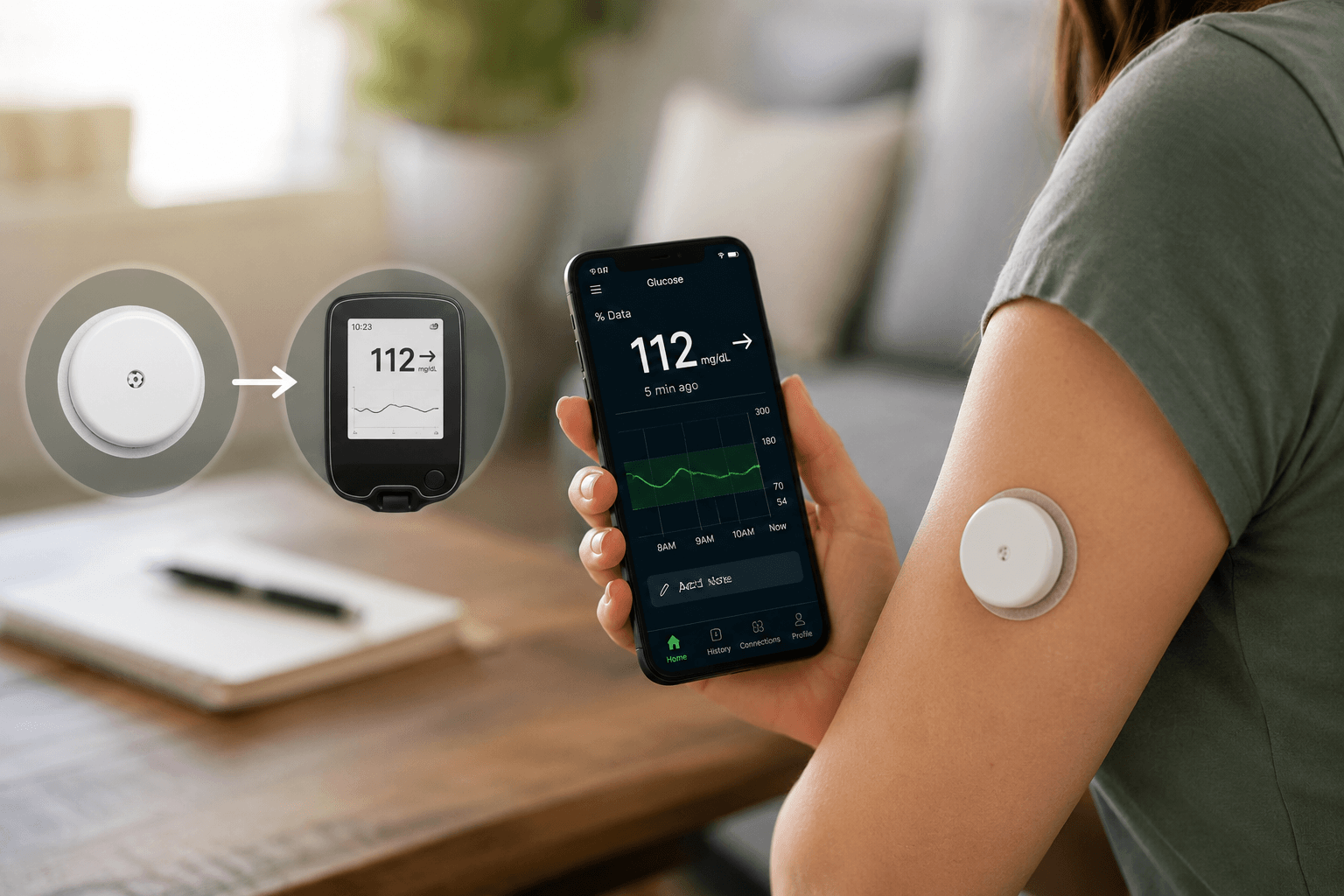
As diabetes technology continues to evolve, clinicians are increasingly faced with an important question: should patients still be using flash continuous glucose monitoring (CGM), or is it time to switch to real-time CGM? While flash CGM systems have significantly improved glucose monitoring and patient engagement over traditional fingerstick testing, real-time …
Read More »Why Some Patients Abandon CGM Within Days—and What to Teach Before They Leave the Office

Continuous glucose monitoring (CGM) has transformed diabetes management by giving patients real-time glucose data, trend arrows, and alerts that support better daily decisions. Yet some patients stop using their CGM within days of starting. Often, the problem is not the device itself. Instead, early frustration begins when patients leave the …
Read More »Post-Meal Blood Sugar Spikes: Are We Focusing on the Wrong Diabetes Numbers?

For decades, A1C has served as the cornerstone of diabetes management. It remains an essential marker because it reflects average blood glucose levels over approximately three months. However, many clinicians are recognizing that managing post-meal glucose levels may provide equally important insights into a patient’s metabolic health. A person can …
Read More »