May 15, 2026
Articles, Diabetes, Therapies, Type 2 Diabetes, Type 2 Diabetes
1,578 views
Managing Type 2 diabetes used to follow a relatively predictable path. Clinicians often started with metformin and added medications gradually as glucose control worsened. Today, however, diabetes care looks very different. The number of available therapies has expanded rapidly, and while that growth has improved patient outcomes, it has also …
Read More »
May 13, 2026
Articles, Blood Glucose Control, Blood Glucose Control, Diabetes, GLP- 1 Agonist Therapy Center, GLP-1 Agonist Therapy Center, Obesity, Obesity, Type 2 Diabetes, Type 2 Diabetes
3,113 views
Everything seems to be working perfectly until it suddenly isn’t. A patient is losing weight steadily, HbA1c levels are improving, and confidence is high during every follow-up visit. Then progress slows. The scale barely changes. Blood sugar readings stop improving. Patients start asking whether the medication has stopped working, while …
Read More »
May 6, 2026
Articles, Blood Glucose Control, Blood Glucose Control, Diabetes, GLP- 1 Agonist Therapy Center, GLP-1 Agonist Therapy Center, Type 2 Diabetes, Type 2 Diabetes
1,736 views
Rapid glycemic improvement with GLP-1 therapy is one of the most powerful benefits of modern diabetes care, but it can also create new clinical challenges. When glucose levels drop quickly, patients may face an increased risk of hypoglycemia if other medications are not adjusted in time. So, how do clinicians …
Read More »
May 1, 2026
Articles, Diabetes, GLP- 1 Agonist Therapy Center, GLP-1 Agonist Therapy Center, Therapies, Type 2 Diabetes, Type 2 Diabetes
4,594 views
Why do some patients see impressive results with GLP-1 therapies while others barely respond? This question is becoming more relevant as clinicians encounter variability in outcomes. GLP-1 resistance is emerging as a possible explanation for suboptimal responses in certain individuals with diabetes. As a result, understanding how to identify and …
Read More »
Apr 20, 2026
Articles, Diabetes, GLP- 1 Agonist Therapy Center, GLP-1 Agonist Therapy Center, Type 2 Diabetes, Type 2 Diabetes
5,163 views
Why do some patients respond dramatically to GLP-1 therapies while others see little benefit? This question is becoming more relevant as GLP-1 receptor agonists gain widespread use in diabetes and weight management. Increasingly, clinicians are encountering cases of reduced response to GLP-1 therapies, where expected glycemic or weight outcomes fail …
Read More »
Apr 10, 2026
Articles, Diabetes
4,240 views
Prioritizing diabetes visits has become essential as clinical care grows more complex and time-limited. With new medications, tighter guidelines, and multiple comorbidities, clinicians often feel like they are solving a puzzle against the clock. So how can you make every minute count without sacrificing care quality? This guide breaks down …
Read More »
Apr 1, 2026
Articles, Diabetes, Type 2 Diabetes, Type 2 Diabetes
12,685 views
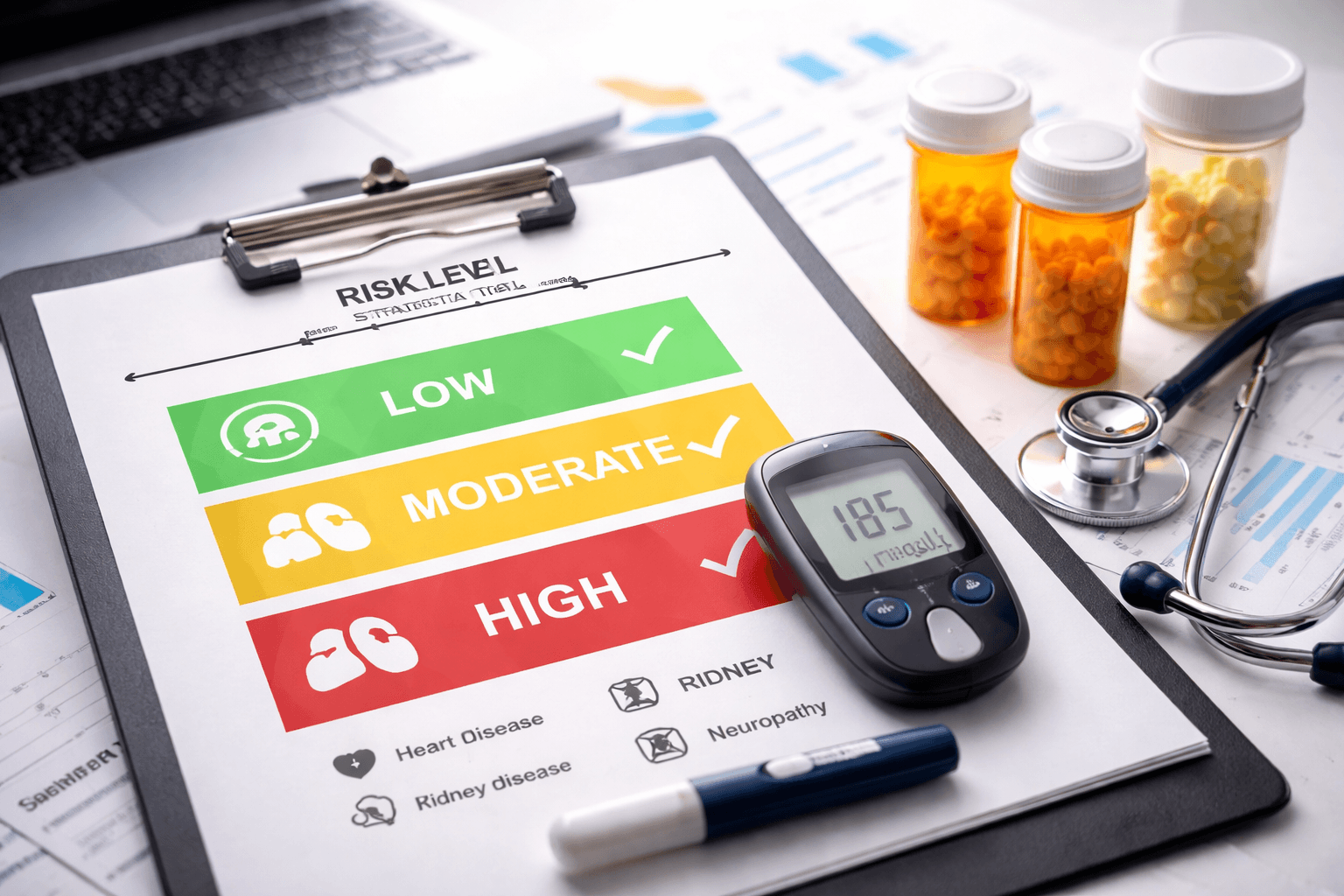
Managing type 2 diabetes today can feel like navigating a moving target. As new guidelines shift toward personalized, risk-based care, many clinicians ask the same question: how can a diabetes risk stratification approach be applied effectively in daily practice? This evolving approach is not just theoretical. Instead, it offers a …
Read More »
Apr 1, 2026
Articles, Blood Glucose Control, Blood Glucose Control, Diabetes, Type 2 Diabetes, Type 2 Diabetes
2,486 views
Why does clinical inertia diabetes continue to slow progress, even when better treatments are widely available? It is a bit like having a high-performance car but hesitating to press the accelerator. Despite major advances in medications and care models, delays in intensifying therapy remain common. As a result, many patients …
Read More »
Mar 20, 2026
Blood Glucose Control, Blood Glucose Control, Diabetes, Type 2 Diabetes, Type 2 Diabetes
1,739 views
Early onset type 2 diabetes is no longer rare, and its rise among younger adults raises serious concerns. What happens when a chronic condition that typically appears later in life begins decades earlier? Much like starting a marathon with added weight, younger patients face a longer disease course and a …
Read More »
Mar 19, 2026
Articles, Diabetes, GLP- 1 Agonist Therapy Center, GLP-1 Agonist Therapy Center, Therapies, Type 2 Diabetes, Type 2 Diabetes
2,082 views
Managing type 2 diabetes today can feel like solving a moving puzzle. With so many therapies available, how do clinicians decide what comes next? GLP-1 therapies have become a key part of today’s diabetes treatment algorithm, helping providers balance glucose control, cardiovascular risk, and patient preferences. As treatment options evolve, …
Read More »
 Diabetes In Control. A free weekly diabetes newsletter for Medical Professionals. News and information for Medical Professionals.