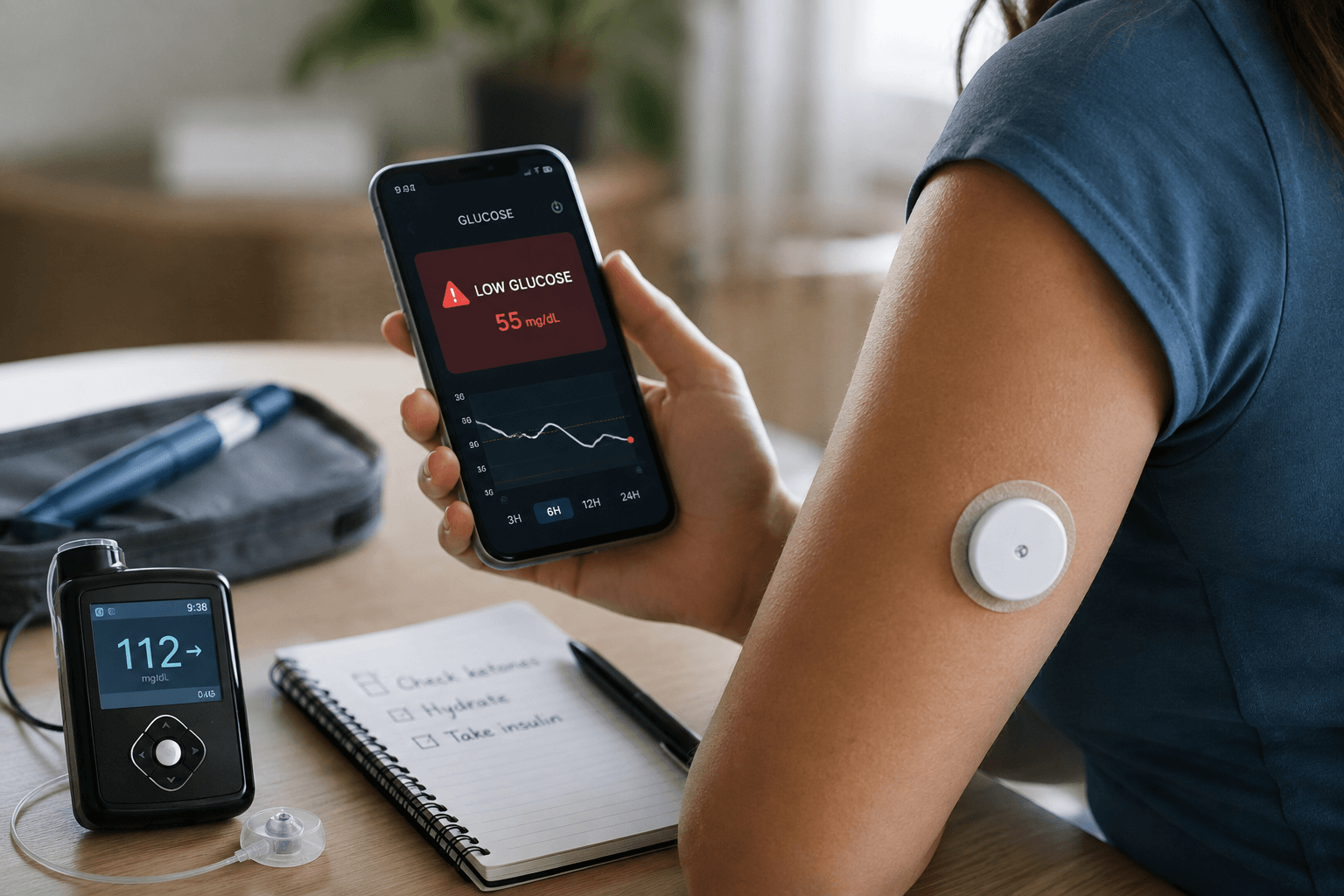
Continuous glucose monitoring has changed how clinicians and people with diabetes think about glucose control. Yet the next question is more important than whether CGM improves A1C or Time in Range. Can it prevent events that send patients to the emergency department or hospital? Growing evidence suggests that CGM may …
Read More »A Type 1 Breakthrough: Can We Transplant Islets With Less Toxic Immunosuppression?
Donor islet transplantation has long offered an intriguing possibility for people with severe type 1 diabetes: restore the body’s ability to make insulin instead of only replacing insulin from the outside. However, there has always been a major tradeoff. Patients need powerful immunosuppressive drugs to keep transplanted cells alive, and …
Read More »Can Bi-Hormonal Systems Finally Eliminate Severe Hypoglycemia?
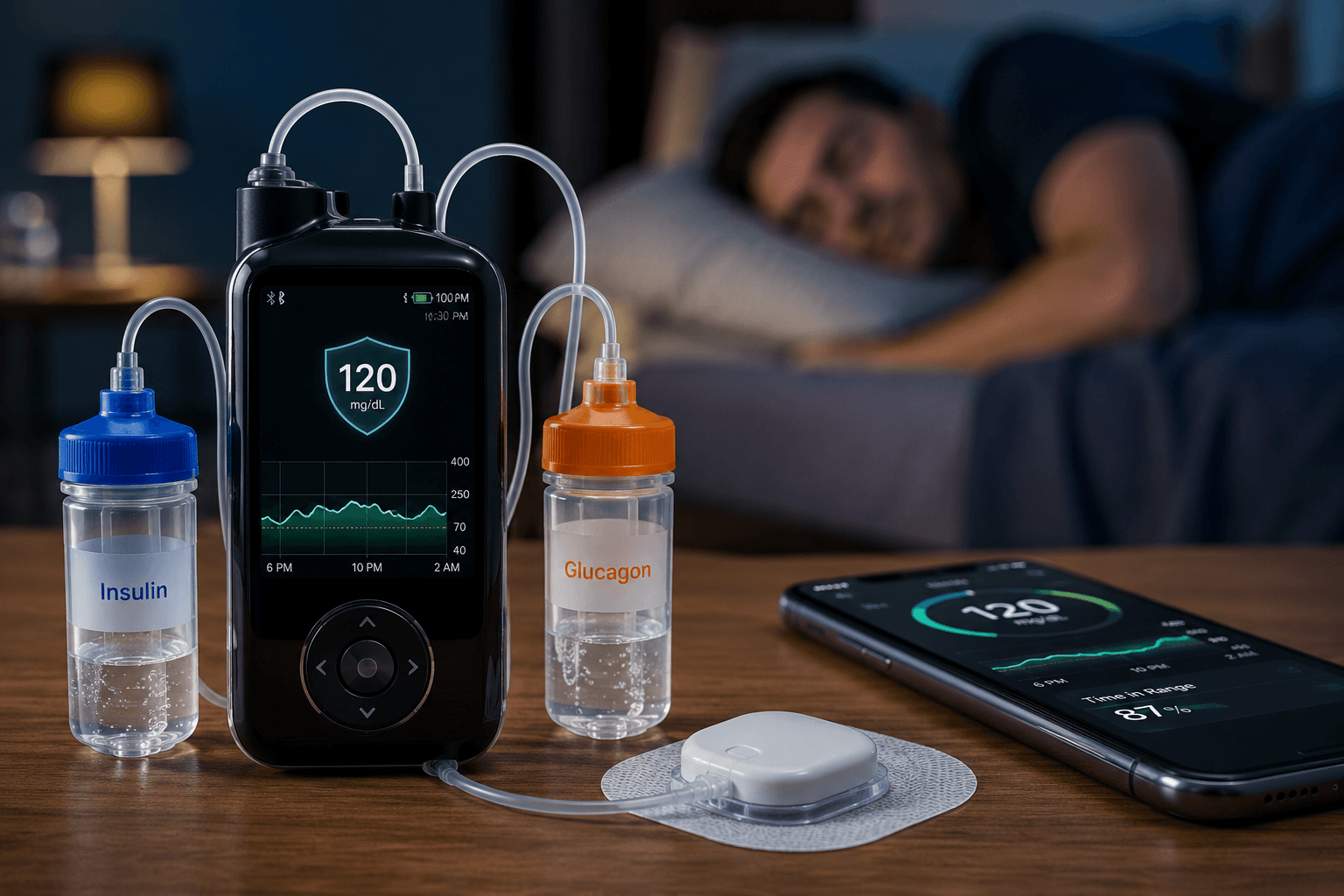
Many people with type 1 diabetes live with the constant fear of blood glucose dropping too low. Even today’s most advanced automated insulin delivery systems cannot actively raise glucose once levels begin to fall. Instead, they can only reduce or suspend insulin delivery. A dual-hormone artificial pancreas system changes that …
Read More »The Overnight Danger Many Clinicians Miss: Why Nighttime Hypoglycemia Still Matters
Many healthcare providers focus heavily on daytime glucose control, yet some of the most dangerous hypoglycemic episodes occur while patients are asleep. Despite major advances in insulin therapy and glucose monitoring, nocturnal hypoglycemia remains a significant clinical concern for people living with diabetes. Because symptoms often go unnoticed during sleep, …
Read More »
Diabetes In Control. A free weekly diabetes newsletter for Medical Professionals. News and information for Medical Professionals.