Aug 25, 2026
Articles, Diabetes, GLP- 1 Agonist Therapy Center, GLP-1 Agonist Therapy Center, News, Ophthalmology, Physician oriented, Safety
4,048 views
GLP-1 receptor agonists have transformed type 2 diabetes and obesity treatment, but a rare vision safety signal deserves clinicians’ attention. Emerging evidence has raised concerns about a potential NAION risk with GLP-1 therapy, particularly with semaglutide (Ozempic, Rybelsus, and Wegovy). Non-arteritic anterior ischemic optic neuropathy (NAION) can cause sudden, usually …
Read More »
Jul 7, 2026
Articles, Clinical Gems, Diabetes, Type 1 Diabetes, Type 1 Diabetes, Type 2 Diabetes, Type 2 Diabetes
2,988 views
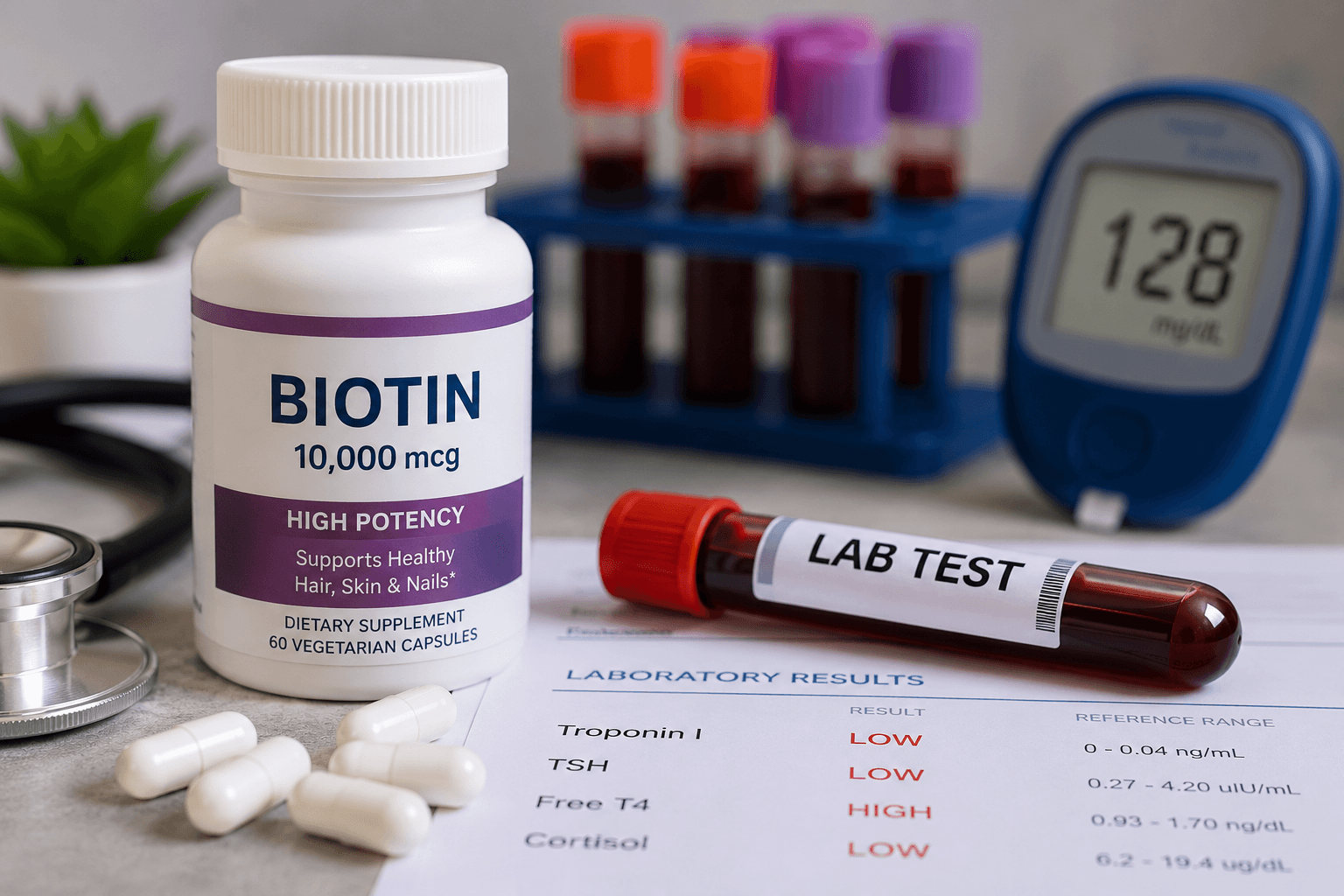
Biotin supplements have become increasingly popular among people living with diabetes. Many individuals take them to support healthy hair and nails, while others use high-dose formulations in hopes of easing neuropathy symptoms. An often-overlooked concern is biotin interference with laboratory tests used in diabetes care. Although biotin itself does not …
Read More »
Jul 3, 2026
Articles, Blood Glucose Control, Diabetes
2,350 views
Hospital glucose management has long relied on reactive treatment strategies, especially sliding-scale insulin protocols that respond to blood glucose after it has already risen. While this approach remains common, healthcare systems are increasingly exploring AI solutions for inpatient diabetes care that predict glucose changes before they become dangerous. Instead of …
Read More »
May 12, 2026
Articles, Diabetes, GLP- 1 Agonist Therapy Center, GLP-1 Agonist Therapy Center, Obesity, Obesity, Practice Management, Type 2 Diabetes, Type 2 Diabetes
2,067 views
A patient starts semaglutide through a telehealth platform, receives nutrition advice from a wellness clinic, and later visits a primary care physician for worsening gastrointestinal symptoms. None of the providers can see the full treatment picture. Situations like this are becoming increasingly common as GLP-1 medications move across multiple corners …
Read More »
Apr 28, 2026
Articles, Blood Glucose Control, Blood Glucose Control, Devices, Diabetes
2,161 views
Diabetic ketoacidosis remains one of the most serious complications of diabetes, yet managing it often relies on intermittent data points. What if clinicians could see ketone levels change in real time instead of waiting hours between lab tests? Continuous ketone monitoring for DKA is now emerging as a promising concept …
Read More »
Apr 17, 2026
Articles, Diabetes, GLP- 1 Agonist Therapy Center, GLP-1 Agonist Therapy Center, Therapies
1,577 views
Care fragmentation in GLP-1 therapy is becoming a growing concern as more patients receive prescriptions from multiple providers. As GLP-1 receptor agonists gain popularity for diabetes and weight management, care often spans endocrinologists, primary care physicians, telehealth platforms, and retail clinics. But what happens when these providers are not aligned? …
Read More »
Apr 14, 2026
Articles, Diabetes, GLP- 1 Agonist Therapy Center, GLP-1 Agonist Therapy Center, Safety, Type 2 Diabetes, Type 2 Diabetes
2,155 views
A proper baseline assessment for GLP-1 therapy has become a critical yet sometimes overlooked step in modern diabetes care. In fast-moving clinical environments, especially with the rise of telehealth, providers may feel pressure to initiate GLP-1 therapy quickly. However, skipping essential baseline evaluations can lead to missed risks, poor outcomes, …
Read More »
 Diabetes In Control. A free weekly diabetes newsletter for Medical Professionals. News and information for Medical Professionals.