Aug 4, 2026
Articles, Blood Glucose Control, Blood Glucose Control, Diabetes, Prevention, Type 1 Diabetes, Type 1 Diabetes, Type 2 Diabetes, Type 2 Diabetes
1,940 views
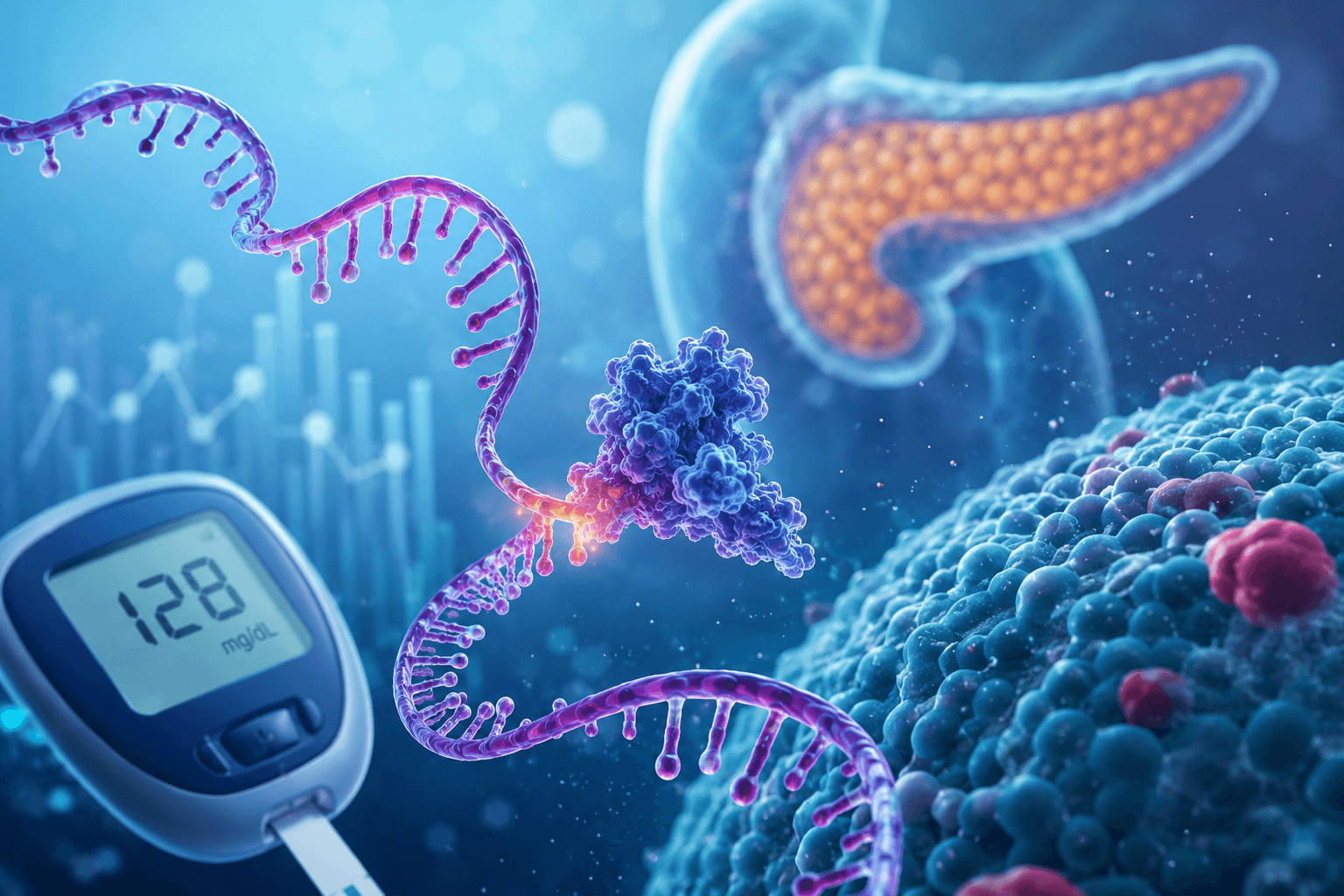
Diabetes research is moving beyond blood sugar measurements and insulin therapy into an exciting new frontier. One of the most promising areas involves microRNAs, tiny RNA molecules that quietly regulate hundreds of genes throughout the body. Although they are microscopic, their influence on insulin production, inflammation, and blood vessel health …
Read More »
Jul 31, 2026
Articles, Therapies, Type 1 Diabetes, Type 1 Diabetes
1,596 views
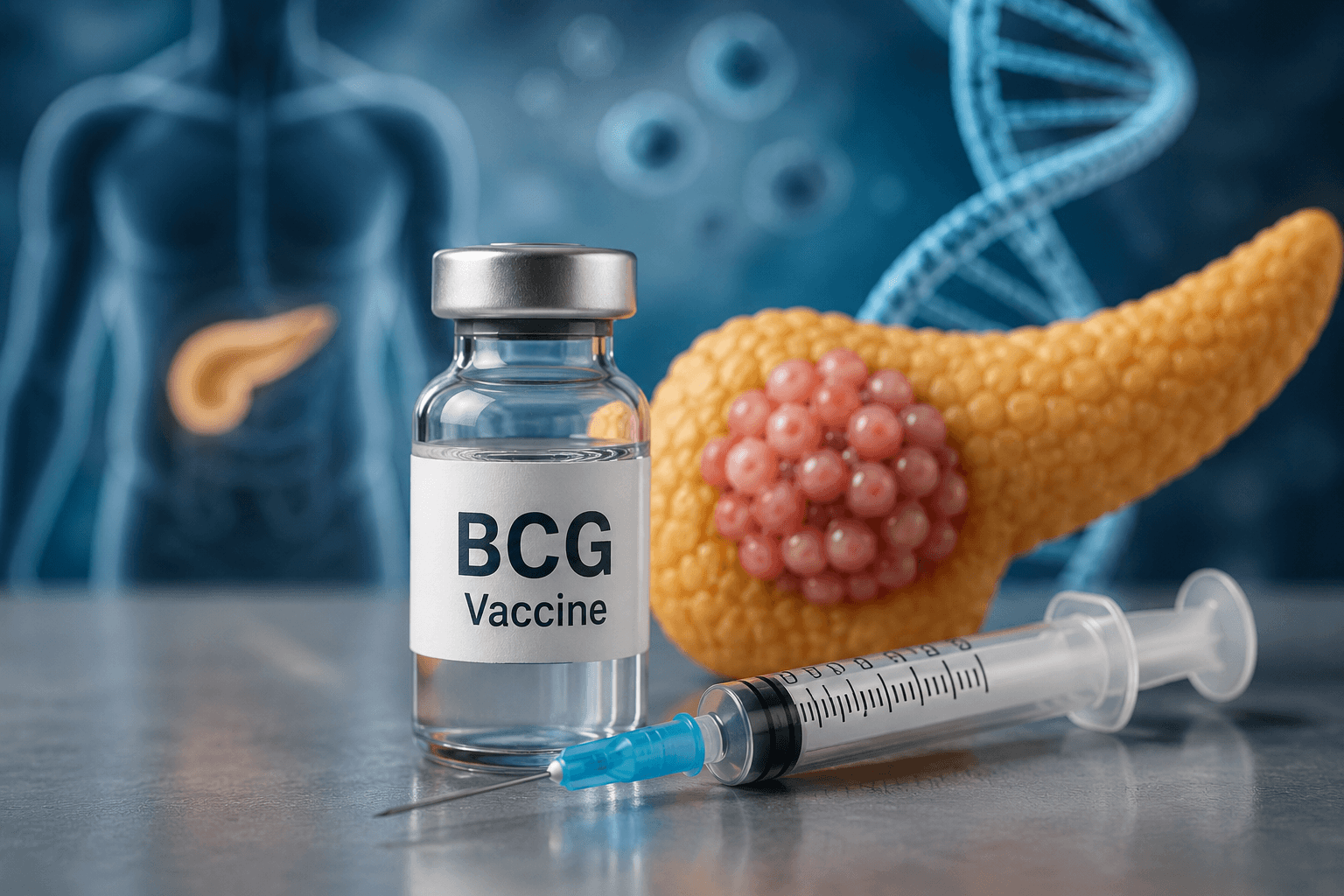
For more than 100 years, the Bacillus Calmette-Guérin (BCG) vaccine has been used worldwide to help prevent tuberculosis. However, researchers are now exploring another possible role for this familiar vaccine. Recent studies suggest that the BCG vaccine may play a role in treating type 1 diabetes by modifying the immune …
Read More »
Jul 21, 2026
Articles, Blood Glucose Control, Blood Glucose Control, Type 1 Diabetes, Type 1 Diabetes
1,190 views
Receiving a diagnosis of type 1 diabetes can feel overwhelming. Yet for many adults, the weeks or months that follow bring an unexpected twist. Blood glucose levels often become easier to control, insulin needs decrease, and some people wonder if their diabetes is actually improving. This temporary period is known …
Read More »
Jul 20, 2026
Articles, Therapies, Type 1 Diabetes, Type 1 Diabetes
1,926 views
For more than a century, insulin therapy has remained the cornerstone of treatment for type 1 diabetes. While continuous glucose monitors, insulin pumps, and automated insulin delivery systems have dramatically improved diabetes management, they still do not replace the body’s natural ability to regulate blood sugar. As a result, researchers …
Read More »
Jul 17, 2026
Articles, Blood Glucose Control, Blood Glucose Control, Diabetes, News, Therapies, Type 1 Diabetes, Type 1 Diabetes, Type 2 Diabetes, Type 2 Diabetes
3,546 views
Finding the right diabetes medication often involves trial and error. One patient may respond well to a GLP-1 receptor agonist, while another sees little benefit from the same treatment. As a result, clinicians frequently adjust medications before finding the most effective option. What if doctors could test a patient’s response …
Read More »
Jul 9, 2026
Articles, Blood Glucose Control, Blood Glucose Control, Diabetes, Type 1 Diabetes, Type 1 Diabetes, Type 2 Diabetes, Type 2 Diabetes
1,844 views
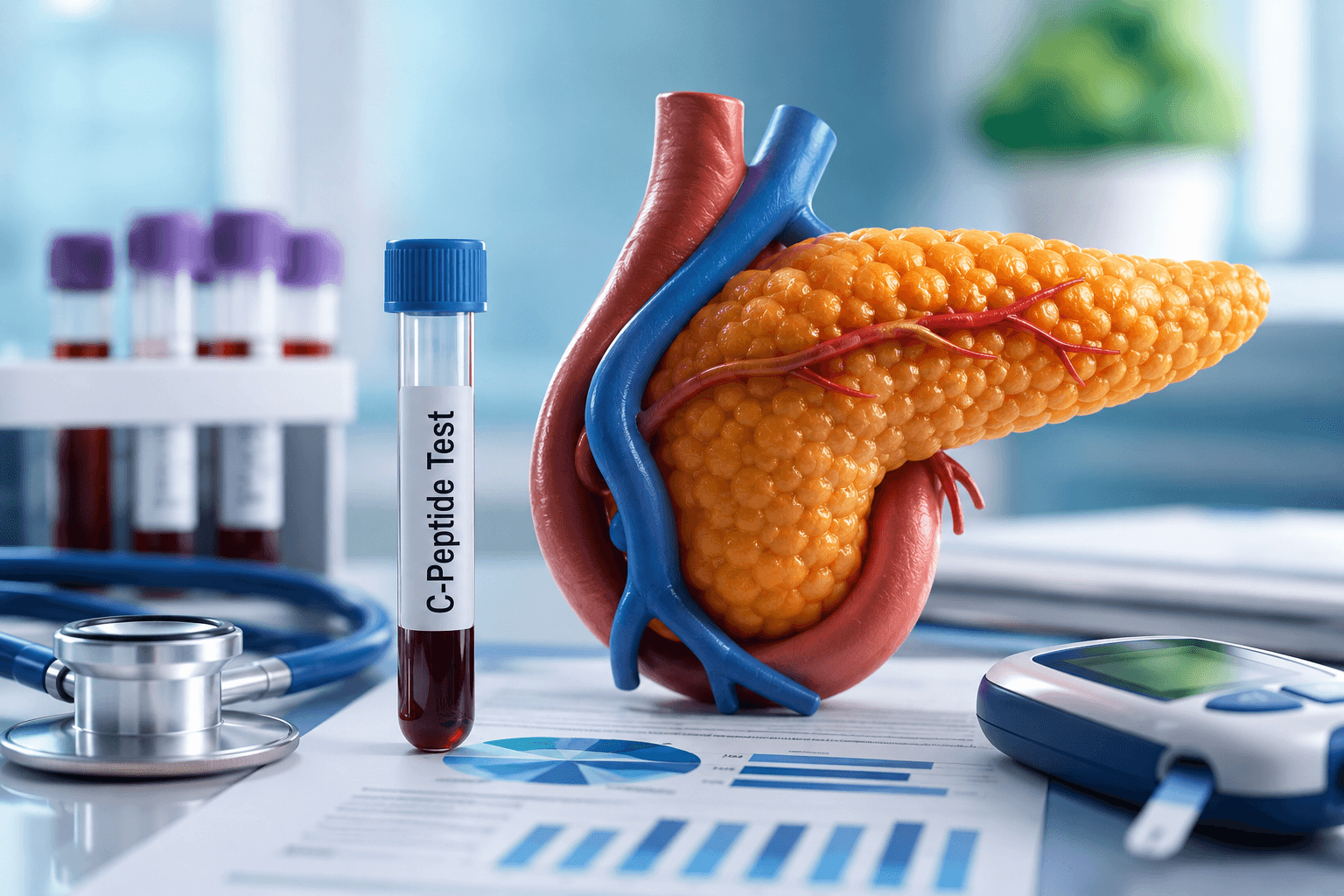
For many years, C-peptide testing was viewed as a simple tool to distinguish type 1 diabetes from type 2 diabetes. However, the story has changed. As researchers gain a better understanding of pancreatic beta-cell function, C-peptide testing in diabetes has become much more valuable than a diagnostic aid alone. Today, …
Read More »
Jun 18, 2026
Articles, Diabetes, Pediatrics, Prevention, Type 1 Diabetes, Type 1 Diabetes
2,083 views
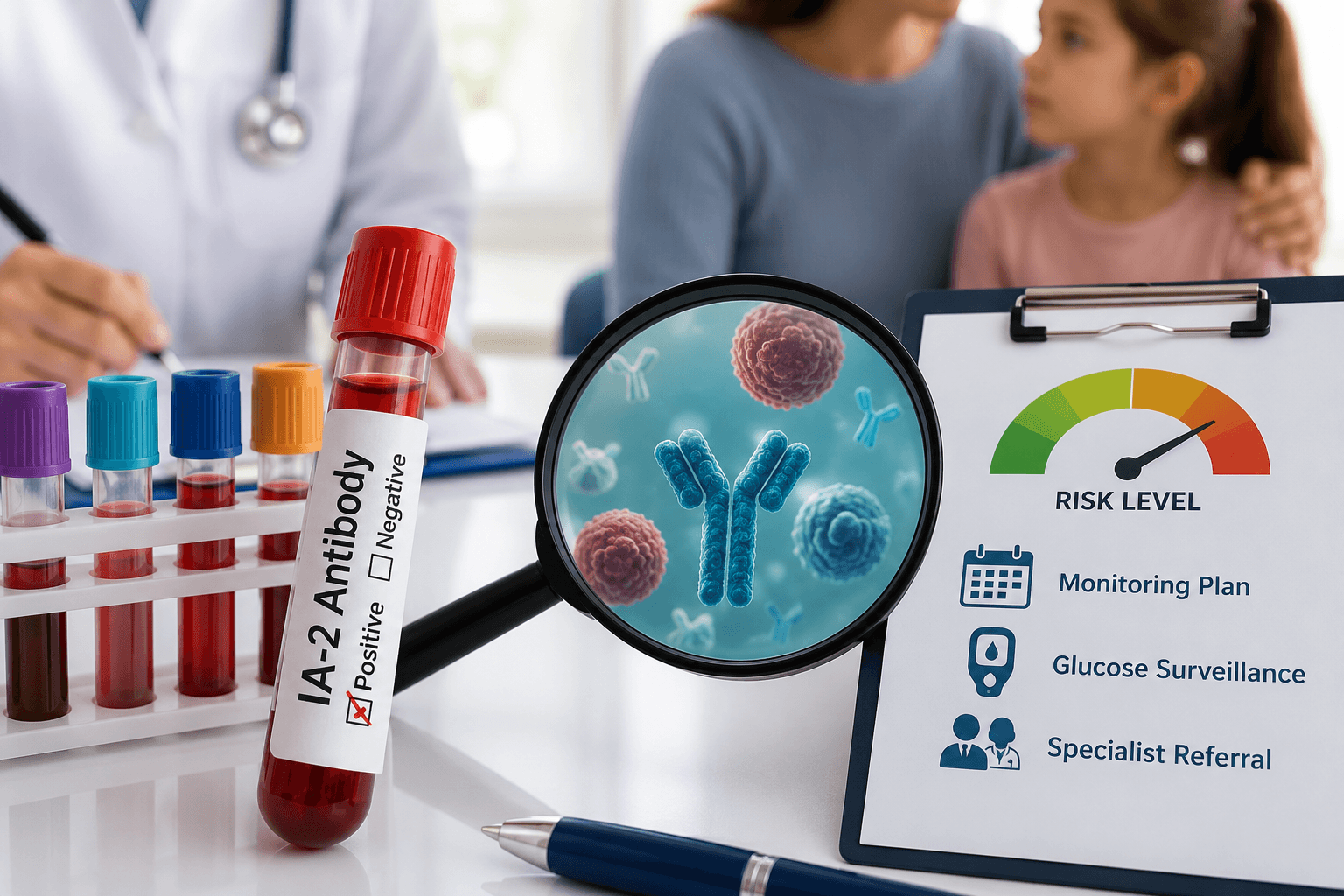
As population-based screening for type 1 diabetes (T1D) becomes more common, clinicians increasingly encounter positive islet autoantibody results in children and adults who have no symptoms. However, not all positive screening results carry the same clinical significance. A single positive autoantibody may indicate elevated risk, yet the specific antibody detected …
Read More »
 Diabetes In Control. A free weekly diabetes newsletter for Medical Professionals. News and information for Medical Professionals.