Jul 1, 2026
Articles, Blood Glucose Control, Blood Glucose Control, Devices, Diabetes, Exercise, Physical Activity
2,477 views
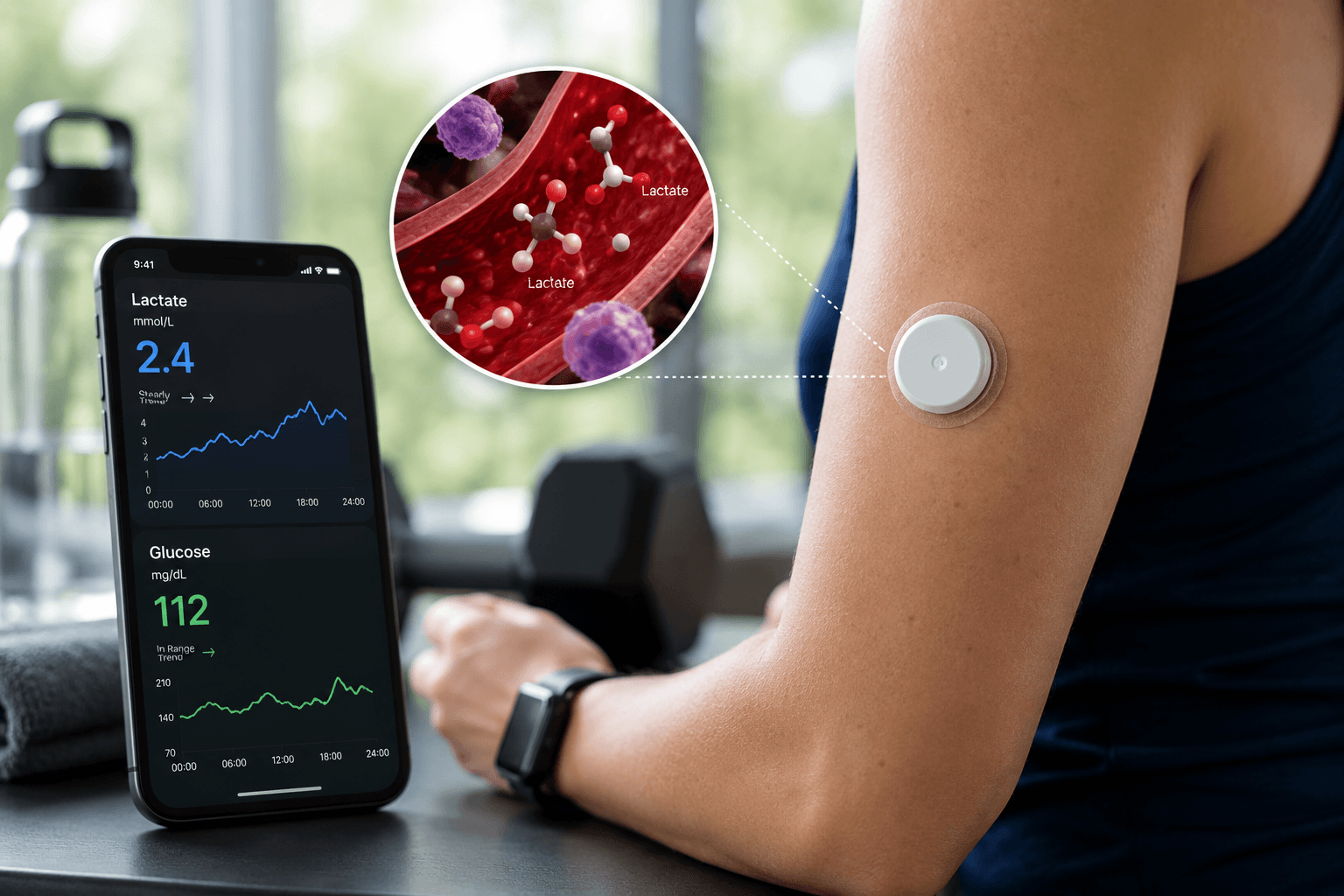
Continuous glucose monitoring (CGM) has fundamentally changed diabetes management by giving patients and clinicians access to real-time glucose data. As a result, treatment decisions have become more precise, and many people with diabetes now spend more time within their target glucose range. However, glucose represents only one part of the …
Read More »
Jul 1, 2026
Articles, Blood Glucose Control, Blood Glucose Control, Diabetes, Diet and Nutrition, Type 2 Diabetes, Type 2 Diabetes
1,309 views
For decades, diabetes management has focused on what patients eat and how much they consume. However, emerging research suggests another factor deserves attention: when they eat. The growing field of chrono-nutrition research in diabetes explores how meal timing interacts with the body’s internal clock to influence glucose metabolism, insulin sensitivity, …
Read More »
Jun 30, 2026
Articles, Blood Glucose Control, Blood Glucose Control, Diabetes, Diet & Nutrition, Exercise, Physical Activity, Prevention, Type 2 Diabetes, Type 2 Diabetes
1,314 views
For decades, A1C has served as the gold standard for assessing long-term glucose control in people with diabetes. However, it tells only part of the story. Researchers are now exploring whether metabolic flexibility could become an important biomarker in diabetes, offering a deeper understanding of metabolic health than A1C alone. …
Read More »
May 28, 2026
Articles, Blood Glucose Control, Blood Glucose Control, Diabetes, Exercise, Physical Activity, Type 2 Diabetes, Type 2 Diabetes
1,213 views
For decades, body mass index (BMI) has been the standard tool for assessing metabolic health and diabetes risk. However, many clinicians now question whether weight alone tells the full story. Some people with a “normal” BMI still develop insulin resistance and type 2 diabetes, while others with higher body weight …
Read More »
May 26, 2026
Articles, Blood Glucose Control, Blood Glucose Control, Diabetes, Obesity, Type 1 Diabetes, Type 1 Diabetes
1,649 views
More adults living with type 1 diabetes are now developing obesity, insulin resistance, hypertension, and metabolic complications once linked mainly to type 2 diabetes. This growing overlap, often called double diabetes, is becoming a major concern for clinicians and patients alike. While insulin therapy remains essential for type 1 diabetes …
Read More »
Mar 10, 2026
Exercise, GLP- 1 Agonist Therapy Center, Obesity, Obesity, Type 2 Diabetes, Type 2 Diabetes
1,728 views
Weight loss conversations often focus on a simple question: how much lean mass is preserved? However, emerging research suggests that the story is more complex. GLP-1 receptor agonists are well known for promoting weight loss and improving glycemic control, but scientists are increasingly examining how these medications influence muscle health …
Read More »
Mar 4, 2026
Articles, Blood Glucose Control, Blood Glucose Control, Diabetes, Exercise, Physical Activity, Type 2 Diabetes, Type 2 Diabetes
1,759 views
As GLP-1 receptor agonists become a mainstay in type 2 diabetes and obesity care, more patients are pairing medication with structured training programs. However, how do GLP-1 medications actually influence metabolism during exercise? Questions about fueling, endurance, fatigue, and muscle adaptation are becoming more common in clinical practice. The relationship …
Read More »
Dec 4, 2025
Articles, Diabetes, Exercise, Physical Activity, Therapies, Type 2 Diabetes, Type 2 Diabetes
1,663 views
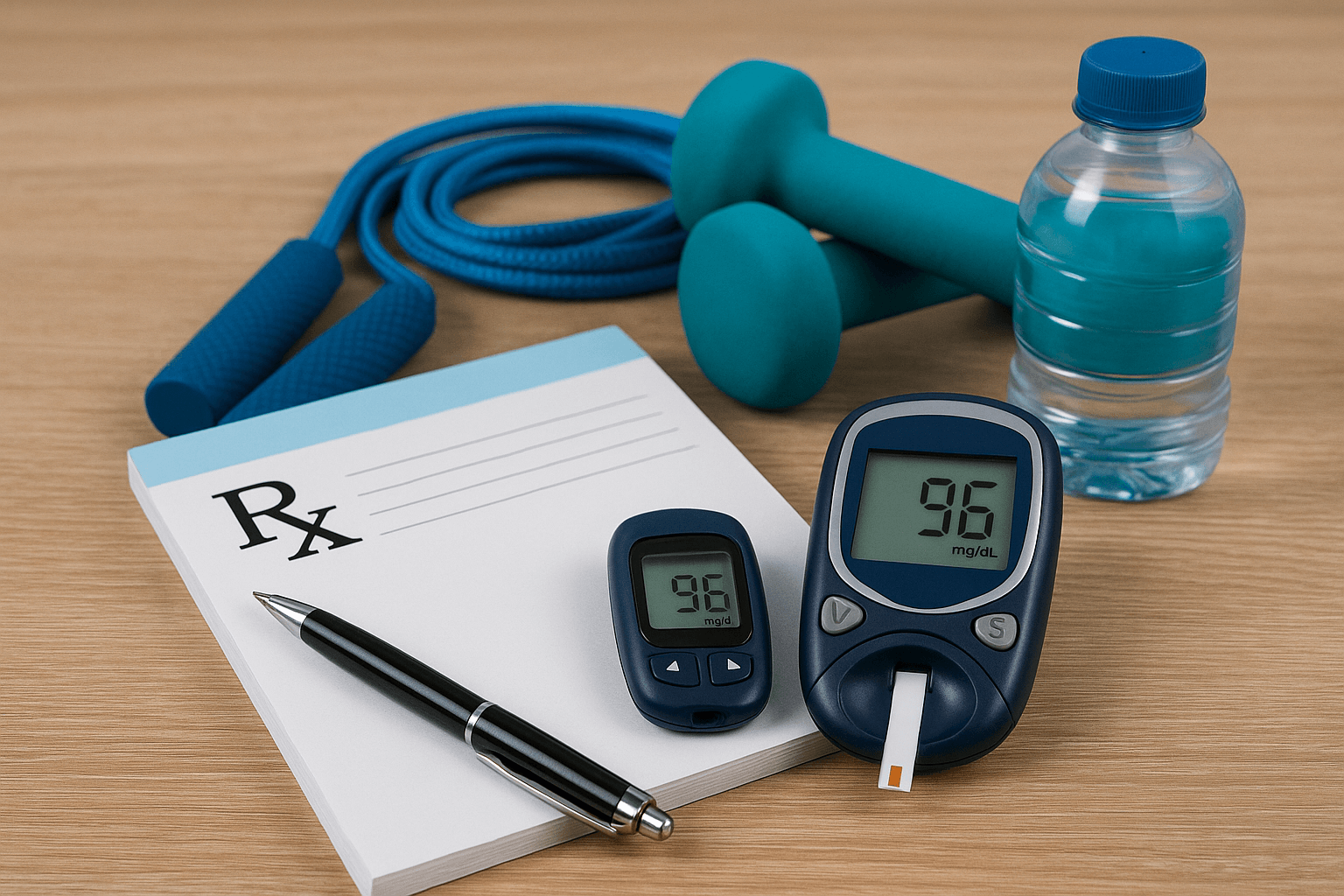
When treating patients with diabetes, lifestyle advice such as “eat healthy” and “stay active” is often routine. But what if we took that a step further and issued a formal exercise prescription — in other words, ordering physical activity like we would a drug? Recent research suggests that a structured …
Read More »
 Diabetes In Control. A free weekly diabetes newsletter for Medical Professionals. News and information for Medical Professionals.