Aug 18, 2026
Articles, Blood Glucose Control, Blood Glucose Control, Dermatology, Devices, Diabetes, Prevention, Safety
887 views
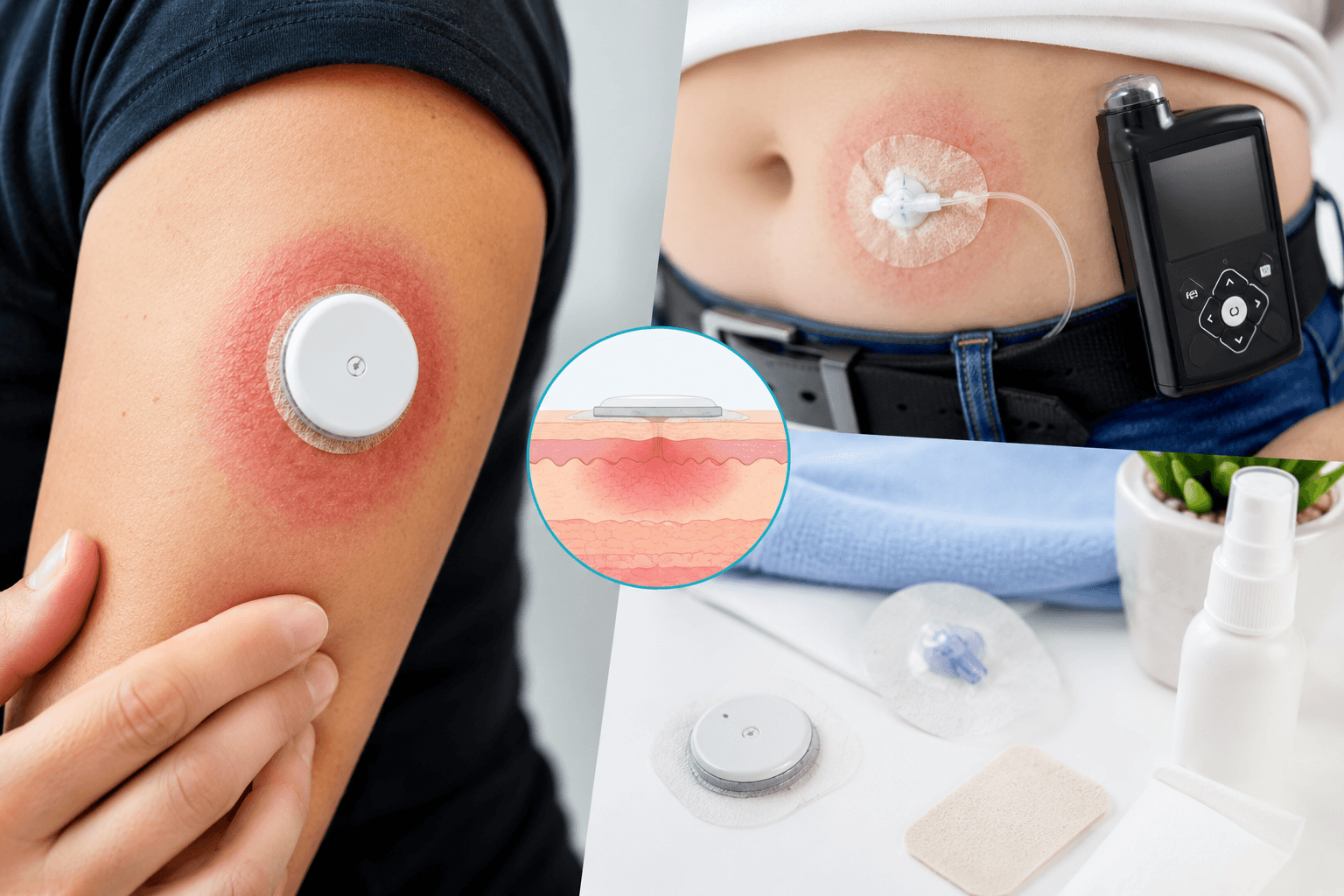
Continuous glucose monitors (CGMs) and insulin pumps can transform diabetes management, but the technology only works when patients can comfortably keep wearing it. CGM skin irritation can turn a valuable device into a daily source of itching, redness, pain, or damaged skin. In some cases, the reaction becomes severe enough …
Read More »
Aug 13, 2026
Articles, Blood Glucose Control, Blood Glucose Control, Devices, Diabetes, Insulin Therapy Center, Type 1 Diabetes, Type 1 Diabetes
1,040 views
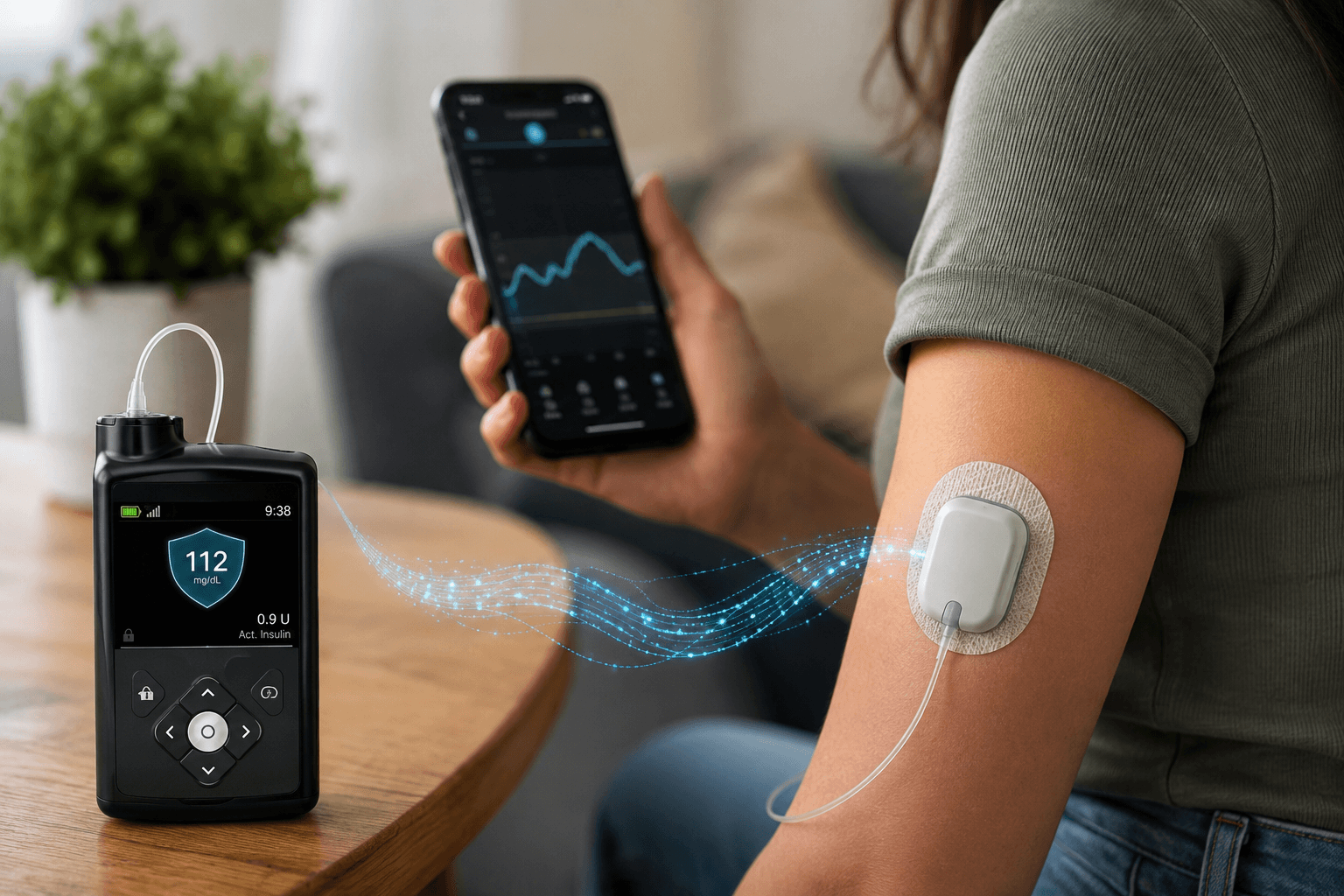
Artificial intelligence is entering diabetes care in a surprisingly quiet way. Rather than appearing as a chatbot or separate decision-support tool, increasingly sophisticated algorithms are being built into automated insulin delivery systems. Adaptive insulin pump hardware can work with continuous glucose monitor (CGM) data, recent insulin delivery, and changing glucose …
Read More »
Jul 30, 2026
Articles, Blood Glucose Control, Blood Glucose Control, Devices, Therapies, Type 1 Diabetes, Type 1 Diabetes
943 views
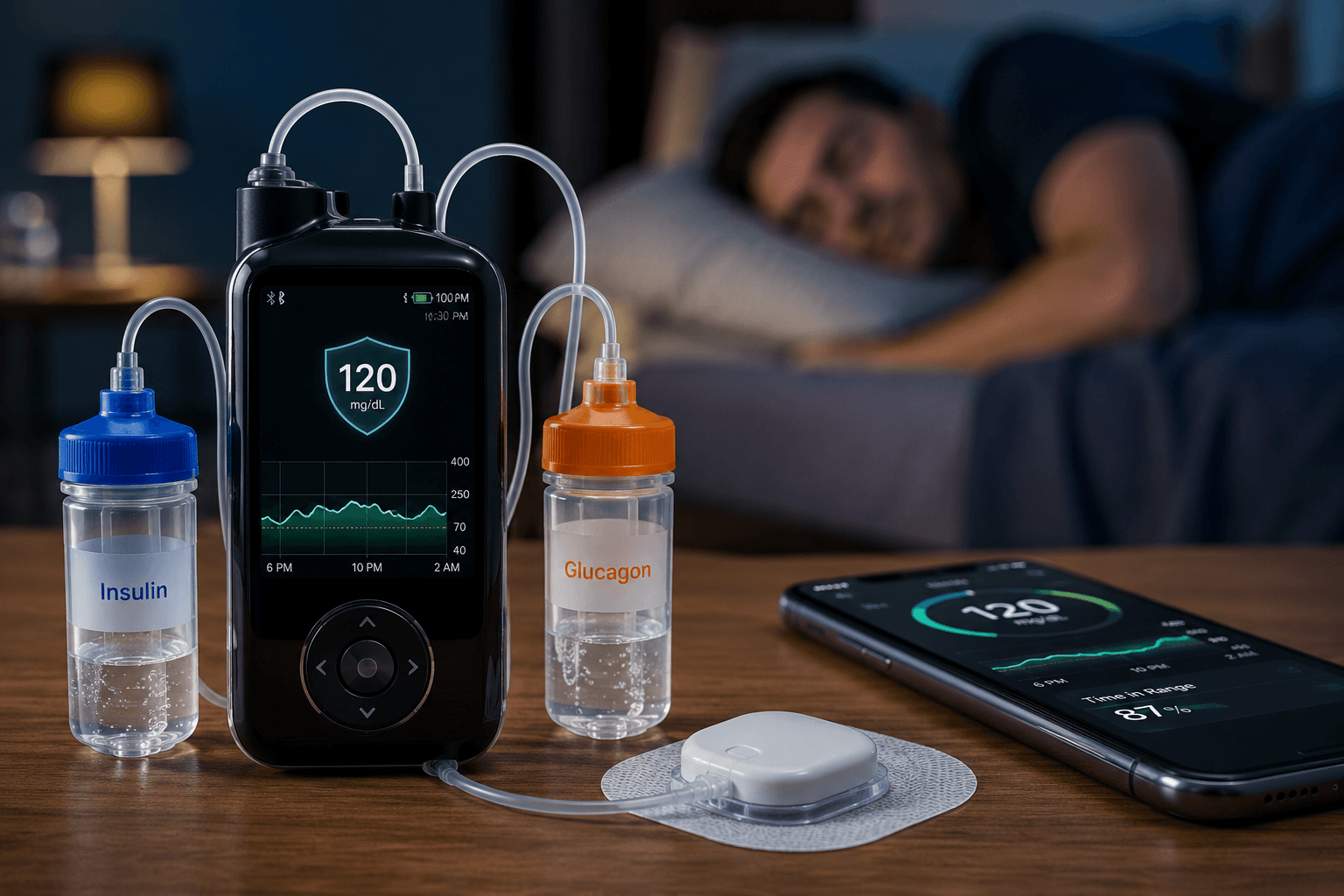
Many people with type 1 diabetes live with the constant fear of blood glucose dropping too low. Even today’s most advanced automated insulin delivery systems cannot actively raise glucose once levels begin to fall. Instead, they can only reduce or suspend insulin delivery. A dual-hormone artificial pancreas system changes that …
Read More »
Jun 16, 2026
Articles, Blood Glucose Control, Blood Glucose Control, Diabetes, Type 1 Diabetes, Type 1 Diabetes, Type 2 Diabetes, Type 2 Diabetes
2,118 views
For years, hospital admission often meant disconnecting patients from their personal diabetes devices. Continuous glucose monitors (CGMs) and insulin pumps were frequently removed, even when patients had used them successfully at home. However, the 2026 American Diabetes Association (ADA) Standards of Care introduce a significant shift in how hospitals approach …
Read More »
Sep 27, 2023
Blog, Insulin Therapy Center, Type 1 Diabetes, Type 2 Diabetes
3,203 views
Insulin pumps are an invaluable tool for diabetes management, allowing patients to better regulate their blood glucose levels. While the technology behind insulin pumps is fairly straightforward, optimizing the settings can be a challenge for clinicians. This article will provide a guide for clinicians on how to assess patients for …
Read More »
 Diabetes In Control. A free weekly diabetes newsletter for Medical Professionals. News and information for Medical Professionals.