Jul 20, 2026
Articles, Blood Glucose Control, Blood Glucose Control, Diabetes, Type 2 Diabetes, Type 2 Diabetes
1,429 views
Night-shift work keeps hospitals, factories, transportation systems, and emergency services running around the clock. However, while society benefits from overnight workers, their metabolic health often pays the price. Recent continuous glucose monitoring (CGM) studies have shown that shift work is strongly associated with greater glycemic variability in people with diabetes, …
Read More »
Jul 6, 2026
Articles, Blood Glucose Control, Blood Glucose Control, Devices, Diabetes, Women's Health
1,090 views
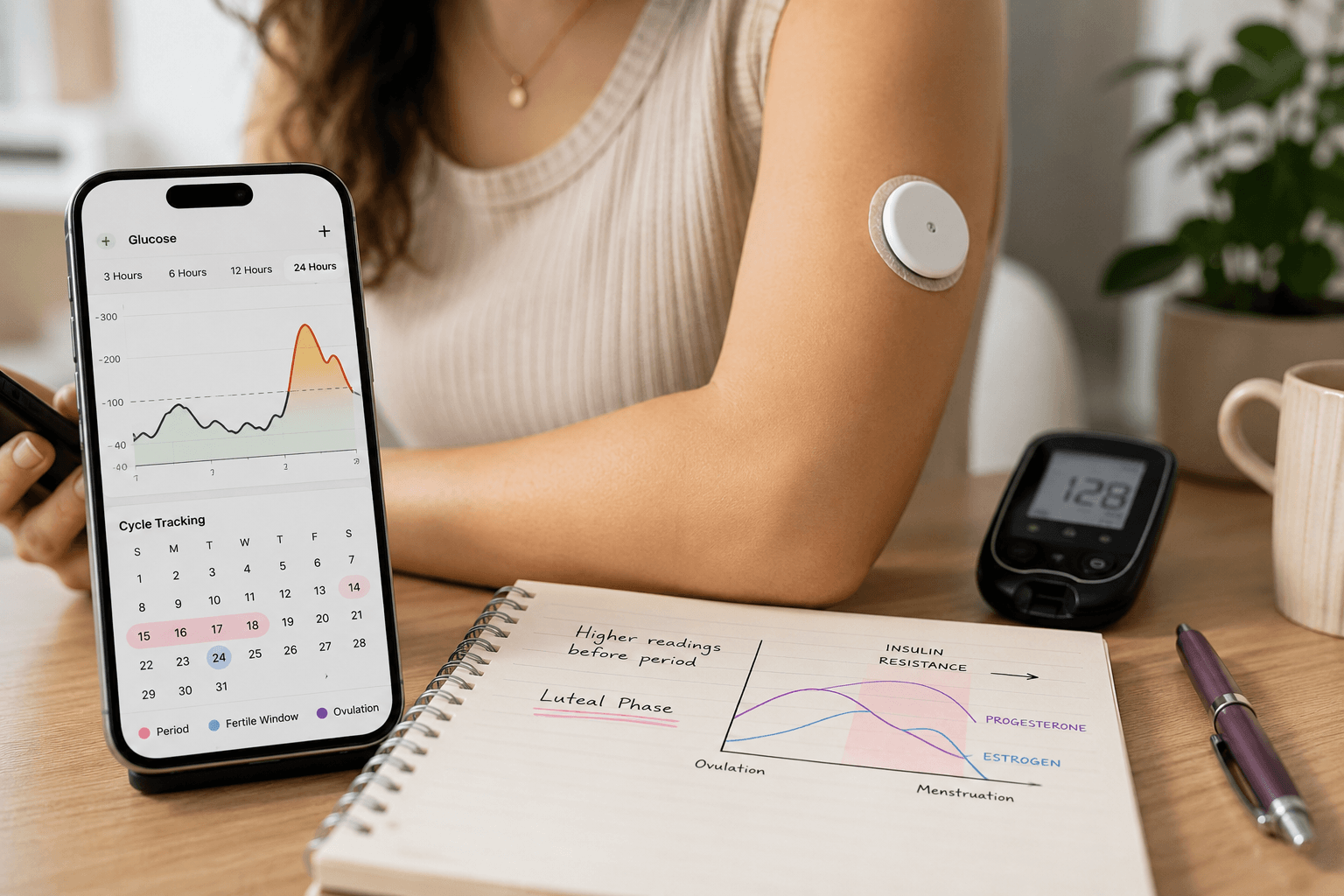
Many women with diabetes notice that blood sugar levels become harder to control during certain weeks of the month. Despite eating the same meals, taking the same insulin doses, and maintaining consistent activity levels, glucose readings may suddenly climb. This recurring pattern is often linked to luteal phase insulin resistance, …
Read More »
Jun 8, 2026
Articles, Blood Glucose Control, Blood Glucose Control, Diabetes, Type 2 Diabetes, Type 2 Diabetes
1,193 views
For decades, A1C has served as the cornerstone of diabetes management. It remains an essential marker because it reflects average blood glucose levels over approximately three months. However, many clinicians are recognizing that managing post-meal glucose levels may provide equally important insights into a patient’s metabolic health. A person can …
Read More »
May 22, 2026
Articles, Blood Glucose Control, Blood Glucose Control, Devices, Diabetes, Diet and Nutrition, Type 2 Diabetes, Type 2 Diabetes
1,267 views
A bowl of oatmeal can keep one person’s glucose stable while sending another person’s blood sugar sharply upward. The meal is identical, yet the metabolic response is completely different. That reality is pushing many clinicians to reconsider one of the most established principles in diabetes nutrition: carb counting. The growing …
Read More »
May 7, 2026
Articles, Blood Glucose Control, Blood Glucose Control, Diabetes
2,657 views
Managing post-meal glucose levels plays a critical role in diabetes care, yet it is often overlooked in favor of A1C and time in range. However, what happens after meals can significantly affect long-term outcomes. Think of it like traffic flow: even if the highway looks clear overall, sudden congestion at …
Read More »
Apr 15, 2026
Articles, Blood Glucose Control, Blood Glucose Control, Devices, Diabetes
2,747 views
When diabetes metric discordance shows up in clinical practice, it can feel like trying to read three clocks that all tell different times. A1C suggests one story, continuous glucose monitoring points to another, and patient symptoms may not match either. So how should clinicians respond when these signals conflict? Understanding …
Read More »
Mar 2, 2026
Articles, Diabetes, Neuropathy & Pain, Type 2 Diabetes, Type 2 Diabetes
2,739 views
Cardiovascular outcomes often dominate discussions about GLP-1 receptor agonists, but what about nerve health? Growing interest in GLP-1 diabetic neuropathy reflects a broader shift toward understanding microvascular complications beyond heart disease. While medications such as semaglutide (Ozempic), dulaglutide (Trulicity), and liraglutide (Victoza) have proven cardiovascular benefits, their potential influence on …
Read More »
Dec 4, 2025
Articles, Blood Glucose Control, Blood Glucose Control, Devices, Diabetes, Type 1 Diabetes, Type 1 Diabetes, Type 2 Diabetes, Type 2 Diabetes
1,770 views
For decades, clinicians have relied on A1C as the primary benchmark for diabetes control. Yet many patients and providers now wonder: does a single quarterly number truly reflect daily glucose fluctuations and risks? As continuous glucose monitoring (CGM) becomes more accessible, the metric known as Time in Range (TIR) has …
Read More »
 Diabetes In Control. A free weekly diabetes newsletter for Medical Professionals. News and information for Medical Professionals.