 Diabetes In Control. A free weekly diabetes newsletter for Medical Professionals. News and information for Medical Professionals.
Phase 2 acmopatide results in type 1 diabetes show promising weight loss and reduced insulin use. Explore A1C findings, safety, and limitations.
Read More »Less Insulin, More Weight Loss? A New Type 1 Diabetes Drug Shows Early Promise

Phase 2 acmopatide results in type 1 diabetes show promising weight loss and reduced insulin use. Explore A1C findings, safety, and limitations.
Read More »
See how retatrutide compared with Ozempic 2 mg in an 80-week Phase 3 diabetes trial, including A1C reduction, weight loss, and side effects.
Read More »
Explore why diabetes prescribing still lags behind clinical guidelines, despite growing evidence supporting SGLT2 inhibitors and GLP-1 therapies.
Read More »
Discover what 378 trials involving 113,000+ participants reveal about prediabetes treatment, lifestyle changes, metformin, and incretin therapies.
Read More »
GLP-1 receptor agonists have transformed the treatment of type 2 diabetes, but their effects on gastrointestinal motility remain an important clinical consideration. Opioids can also slow gastrointestinal function, raising an obvious question: what happens when patients need both? New research examining GLP-1 and opioid interactions suggests that opioid choice may …
Read More »
GLP-1 receptor agonists have transformed type 2 diabetes and obesity treatment, but a rare vision safety signal deserves clinicians’ attention. Emerging evidence has raised concerns about a potential NAION risk with GLP-1 therapy, particularly with semaglutide (Ozempic, Rybelsus, and Wegovy). Non-arteritic anterior ischemic optic neuropathy (NAION) can cause sudden, usually …
Read More »
Could a stool sample someday help clinicians choose a diabetes medication before writing the prescription? Emerging research into gut biomarkers in diabetes is moving that possibility closer to clinical reality. Rather than simply cataloging which bacteria live in the intestine, researchers are examining microbial genes, stool-derived metabolites, and functional signatures …
Read More »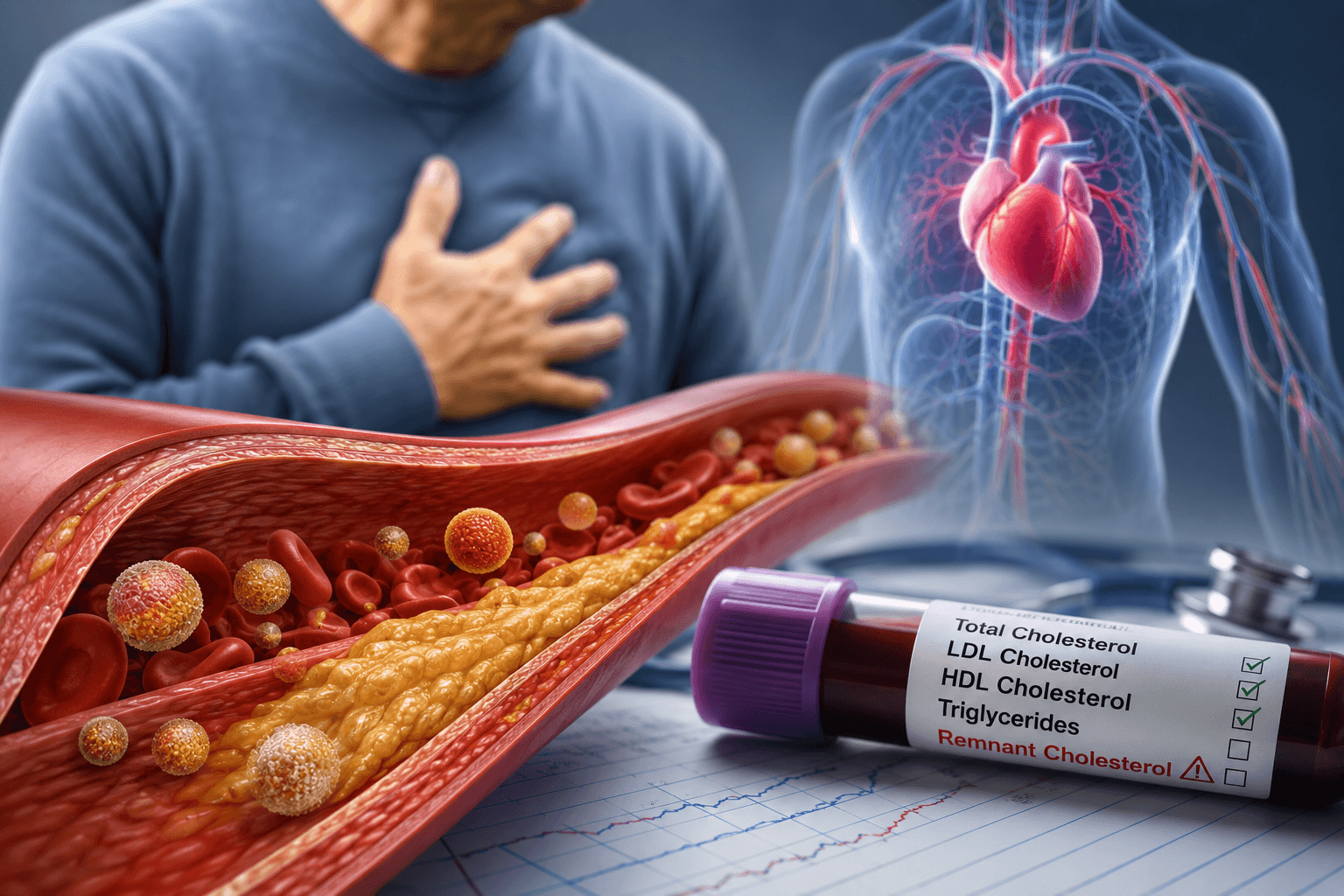
For years, lowering LDL cholesterol has been the cornerstone of preventing heart disease in people with diabetes. Statins and other cholesterol-lowering therapies have dramatically reduced cardiovascular events. Yet many patients continue to experience heart attacks, strokes, or other cardiovascular complications despite reaching recommended LDL cholesterol goals. Why does this happen? …
Read More »
Finding the right diabetes medication often involves trial and error. One patient may respond well to a GLP-1 receptor agonist, while another sees little benefit from the same treatment. As a result, clinicians frequently adjust medications before finding the most effective option. What if doctors could test a patient’s response …
Read More »
Diabetes research has advanced rapidly over the past two decades, leading to groundbreaking medications such as GLP-1 receptor agonists, SGLT2 inhibitors, and dual incretin therapies. However, one challenge remains constant: developing new treatments through traditional clinical trials is often expensive, time-consuming, and inflexible. Could there be a better way to …
Read More »