3 weeks ago
Articles, Blood Glucose Control, Blood Glucose Control, Diabetes, Pediatrics, Type 1 Diabetes, Type 1 Diabetes
1,009 views
Does being diagnosed with type 1 diabetes at age 6 carry the same long-term risks as being diagnosed at 16? Researchers have been asking that question for years. Increasingly, evidence suggests that age at type 1 diabetes onset may help explain differences in complication patterns later in life. However, age …
Read More »
Aug 6, 2026
AI-news, Articles, Diabetes, Nephrology
6,782 views
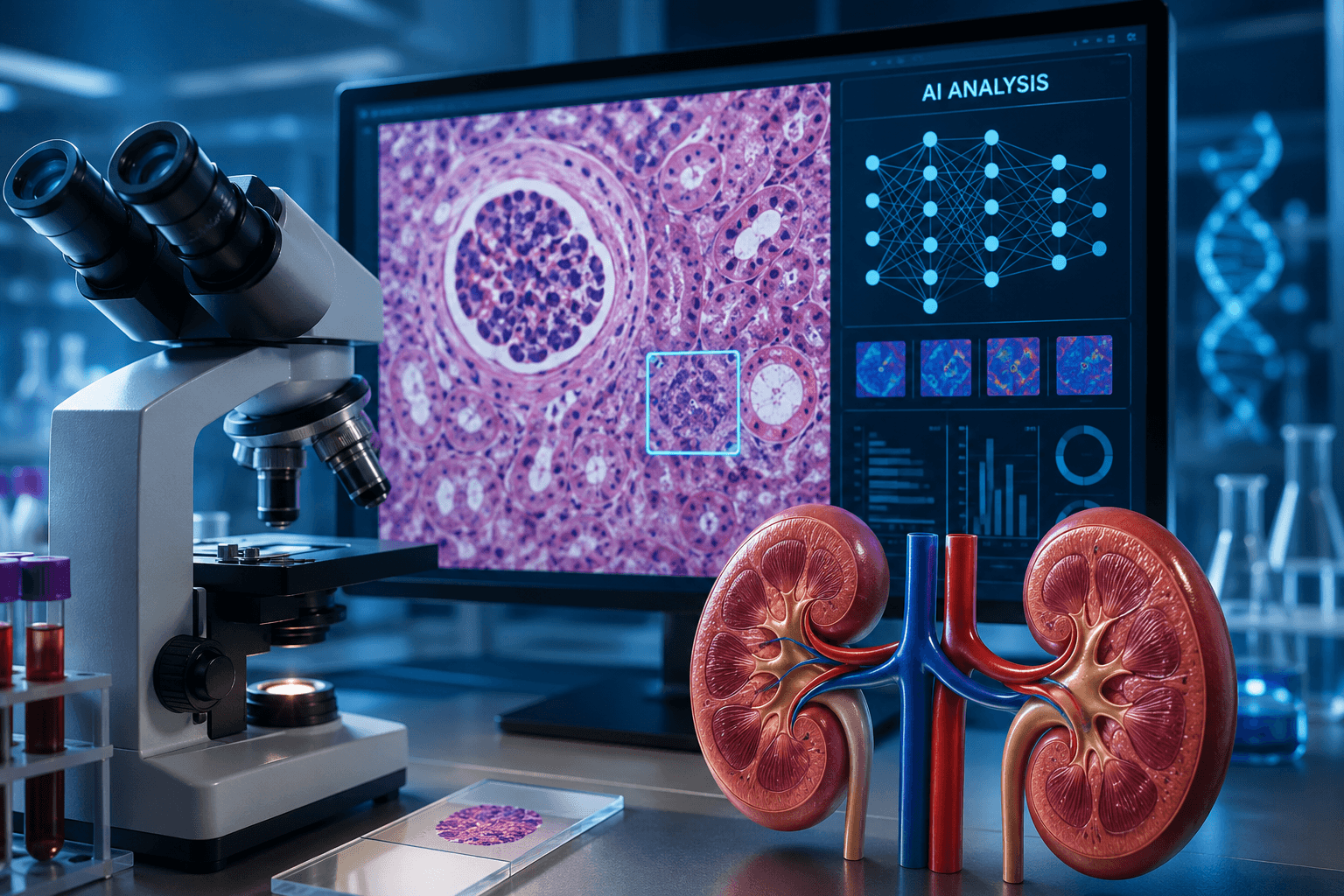
Artificial intelligence is rapidly changing how healthcare professionals diagnose disease. But can computers identify kidney damage before it becomes obvious under a microscope? Researchers believe the answer may be yes. The combination of digital pathology, artificial intelligence, and diabetic kidney disease research is opening new opportunities to identify microscopic kidney …
Read More »
Aug 6, 2026
Articles, Cardiology, Diabetes, Neuropathy & Pain, Therapies, Type 2 Diabetes, Type 2 Diabetes
1,308 views
Diabetes care has advanced dramatically over the past decade. While therapies such as GLP-1 receptor agonists and SGLT2 inhibitors have transformed glucose management and cardiovascular outcomes, many patients continue to develop long-term complications. Could an older therapeutic target finally provide the missing piece? Interest in aldose reductase inhibitors for diabetes …
Read More »
Aug 4, 2026
Articles, Blood Glucose Control, Blood Glucose Control, Diabetes, Prevention, Type 1 Diabetes, Type 1 Diabetes, Type 2 Diabetes, Type 2 Diabetes
1,937 views
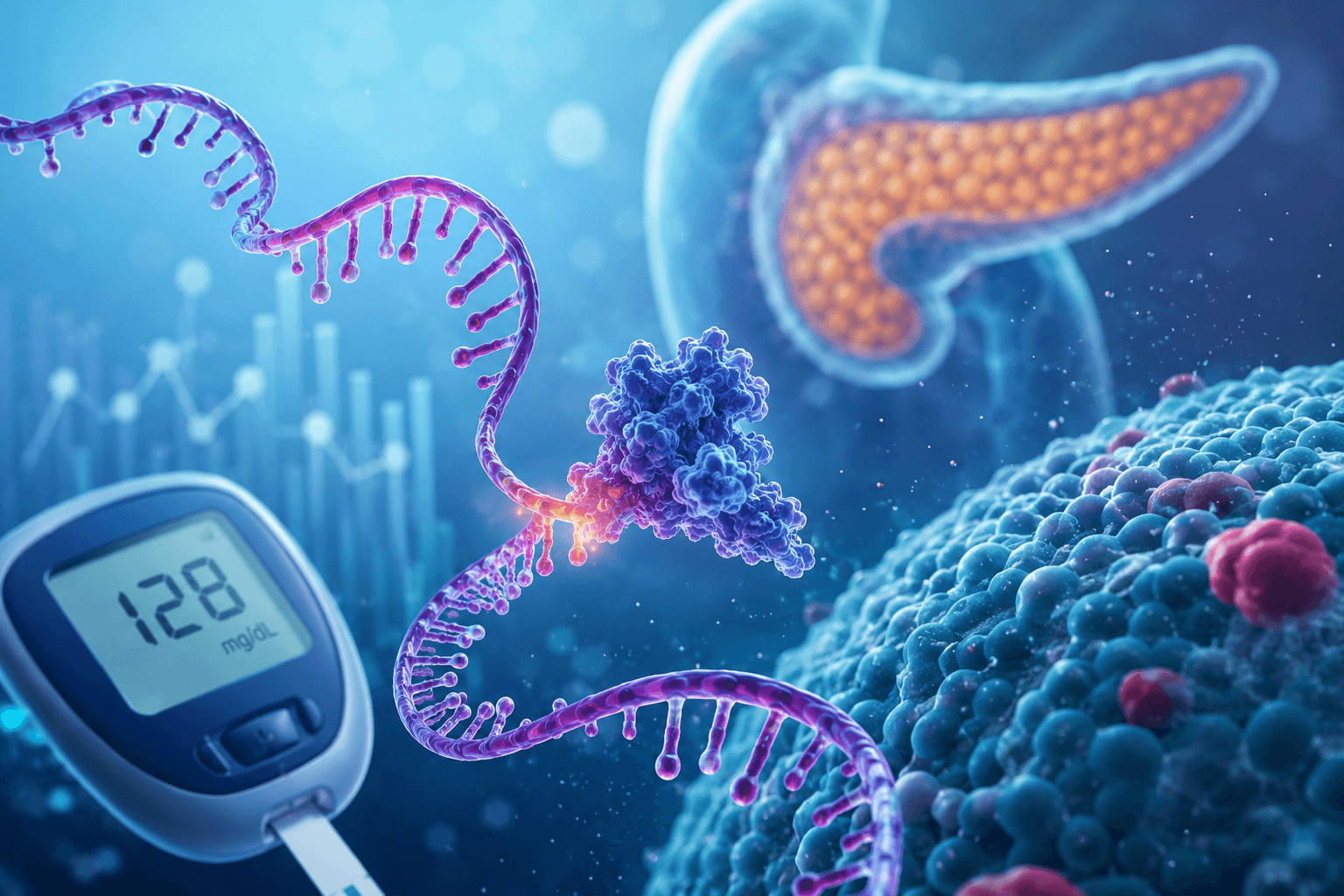
Diabetes research is moving beyond blood sugar measurements and insulin therapy into an exciting new frontier. One of the most promising areas involves microRNAs, tiny RNA molecules that quietly regulate hundreds of genes throughout the body. Although they are microscopic, their influence on insulin production, inflammation, and blood vessel health …
Read More »
Jul 29, 2026
Articles, Diabetes, Nephrology, Neuropathy & Pain, Type 2 Diabetes, Type 2 Diabetes
1,426 views
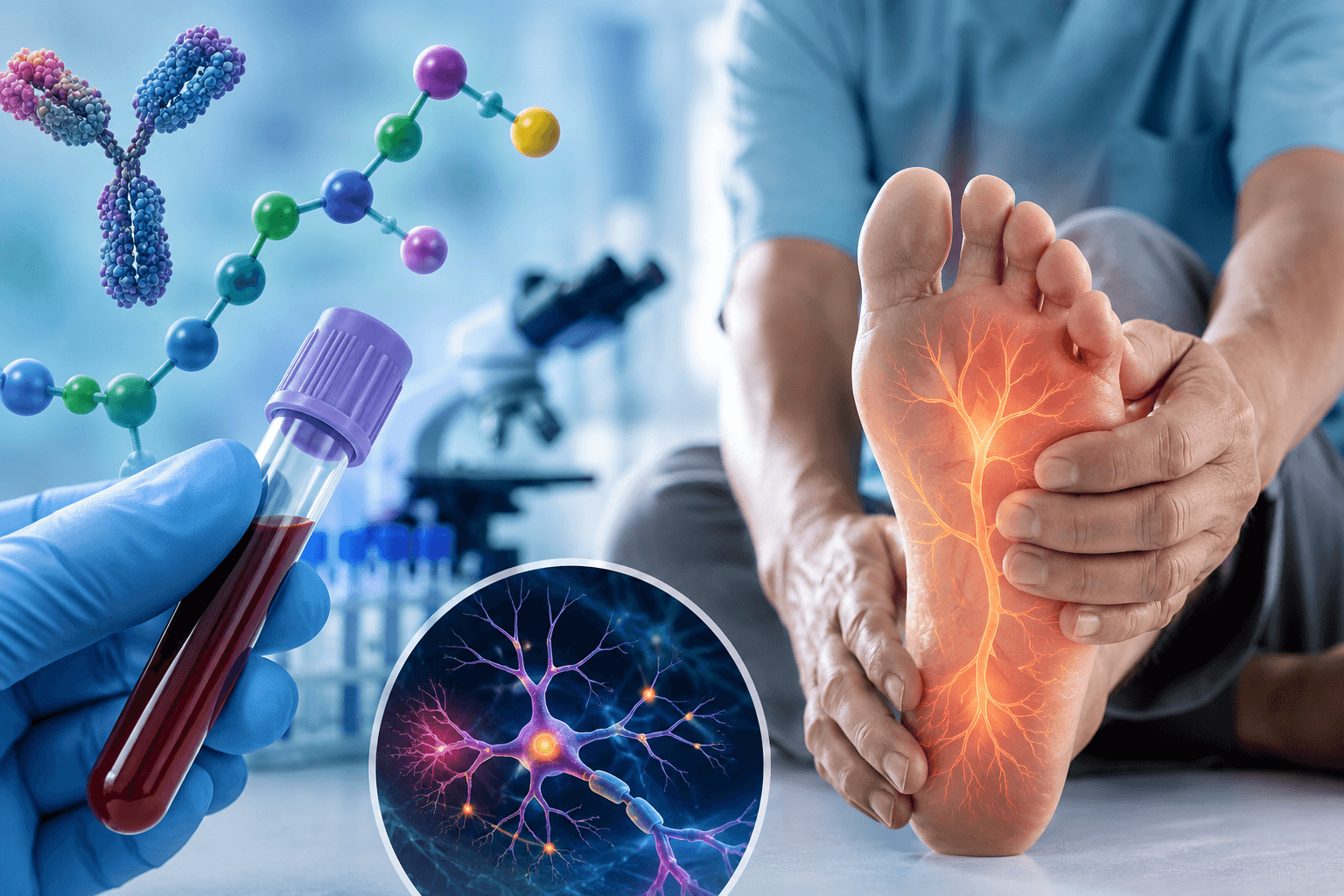
Early detection has always been one of the biggest challenges in diabetes care. What if doctors could identify patients at high risk for diabetic neuropathy or kidney disease years before symptoms developed? That possibility is driving exciting new research into IgG glycosylation in diabetes, an emerging area that examines subtle …
Read More »
Jul 27, 2026
Articles, Blood Glucose Control, Blood Glucose Control, Diabetes, Nephrology, Neurology, Ophthalmology, Prevention, Type 2 Diabetes, Type 2 Diabetes
1,377 views
Diabetes is known for raising blood sugar levels, but its long-term complications often have the greatest impact on health. Kidney disease, vision loss, nerve damage, and cardiovascular disease affect millions of people living with diabetes. For years, researchers focused on inflammation, oxidative stress, and poor circulation to explain these complications. …
Read More »
Jul 23, 2026
Articles, Diabetes, Nephrology, Type 2 Diabetes, Type 2 Diabetes
1,246 views
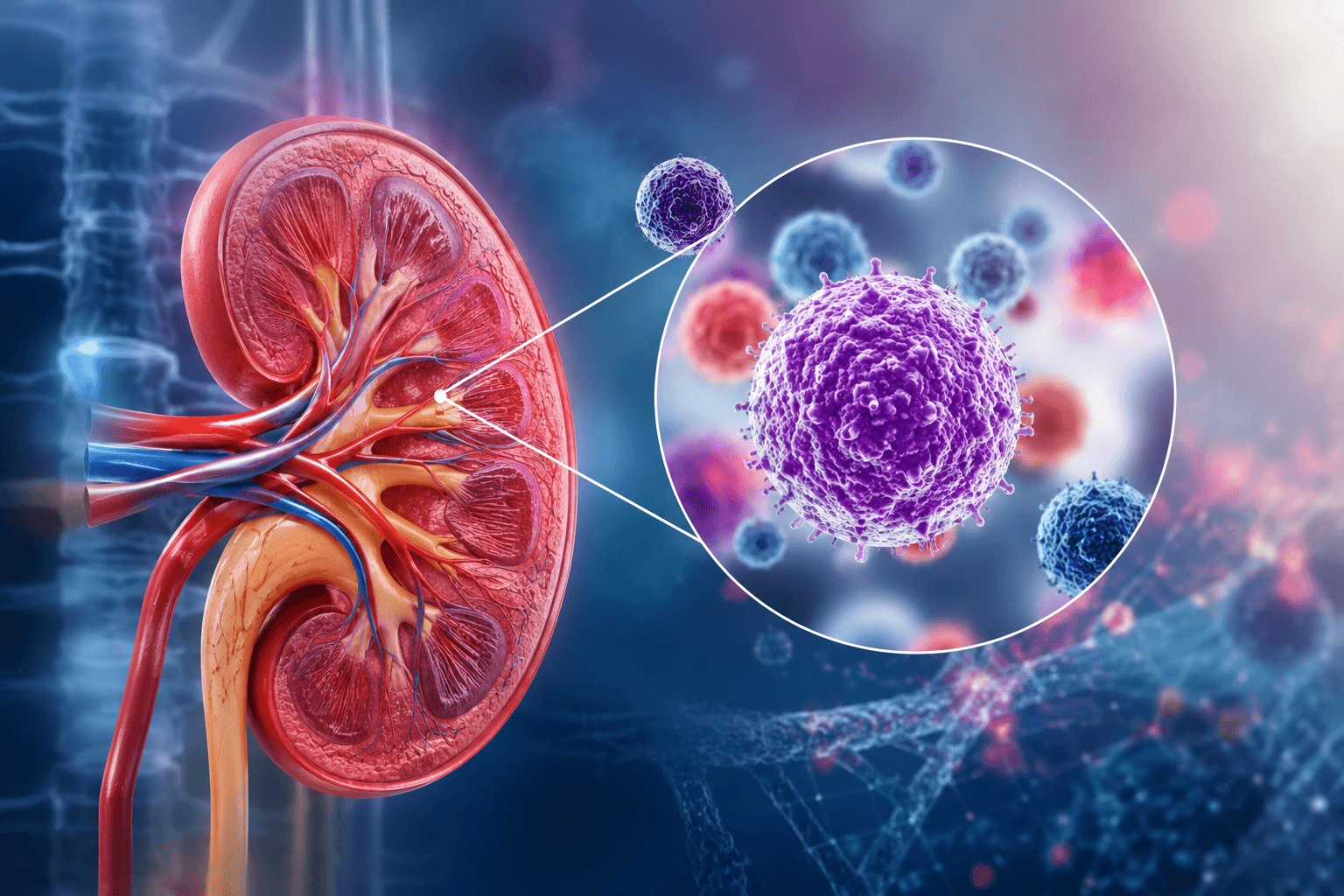
For years, diabetic kidney disease (DKD) has been viewed as a single condition that progresses in a fairly predictable way. However, new research suggests that this assumption may overlook important biological differences between patients. Scientists have now identified a previously hidden subtype of diabetic kidney disease marked by increased B-cell …
Read More »
Jul 14, 2026
Articles, Blood Glucose Control, Blood Glucose Control, Diabetes, Prediabetes, Type 2 Diabetes, Type 2 Diabetes
1,263 views
Diabetes often develops silently for years before blood sugar levels become high enough for a diagnosis. What if tiny biological packages circulating in the bloodstream could reveal those hidden changes long before symptoms appear? Researchers are increasingly studying how exosomes may serve as biomarkers for diabetes because these microscopic messengers …
Read More »
Jul 8, 2026
Articles, Diabetes, Nephrology, SGLT-2 Therapy Center, Therapies, Type 2 Diabetes, Type 2 Diabetes
1,763 views
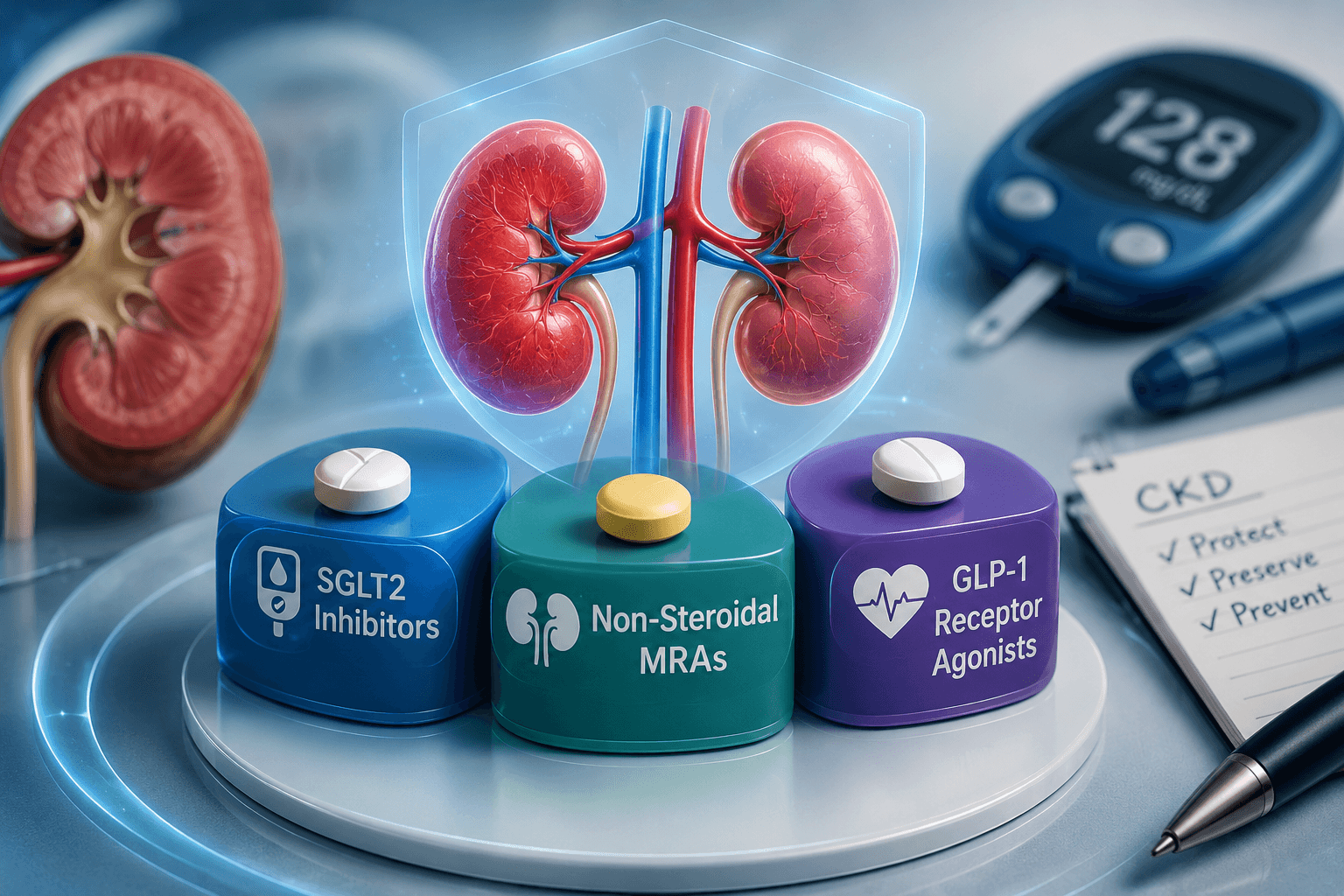
For years, the treatment of diabetic kidney disease focused primarily on glycemic control and blood pressure management. More recently, SGLT2 inhibitors and GLP-1 receptor agonists have transformed the landscape by reducing kidney disease progression and cardiovascular events. However, another therapeutic class is rapidly gaining recognition. Non-steroidal mineralocorticoid receptor antagonists (MRAs) …
Read More »
 Diabetes In Control. A free weekly diabetes newsletter for Medical Professionals. News and information for Medical Professionals.