Jul 20, 2026
Articles, Therapies, Type 1 Diabetes, Type 1 Diabetes
2,543 views
For more than a century, insulin therapy has remained the cornerstone of treatment for type 1 diabetes. While continuous glucose monitors, insulin pumps, and automated insulin delivery systems have dramatically improved diabetes management, they still do not replace the body’s natural ability to regulate blood sugar. As a result, researchers …
Read More »
Jul 17, 2026
Articles, Blood Glucose Control, Blood Glucose Control, Diabetes, News, Therapies, Type 1 Diabetes, Type 1 Diabetes, Type 2 Diabetes, Type 2 Diabetes
3,825 views
Finding the right diabetes medication often involves trial and error. One patient may respond well to a GLP-1 receptor agonist, while another sees little benefit from the same treatment. As a result, clinicians frequently adjust medications before finding the most effective option. What if doctors could test a patient’s response …
Read More »
Jul 16, 2026
Articles, Blood Glucose Control, Blood Glucose Control, Therapies, Type 2 Diabetes, Type 2 Diabetes
2,142 views
Type 2 diabetes has traditionally been viewed as a disease driven by insulin resistance and declining pancreatic beta-cell function. However, researchers are now looking much deeper into the cell itself. Increasing evidence suggests that mitochondrial dysfunction in diabetes may be a key factor linking impaired energy production, chronic inflammation, oxidative …
Read More »
Jul 14, 2026
Articles, Blood Glucose Control, Blood Glucose Control, Bone & Joint, Diabetes, Type 2 Diabetes, Type 2 Diabetes
1,611 views
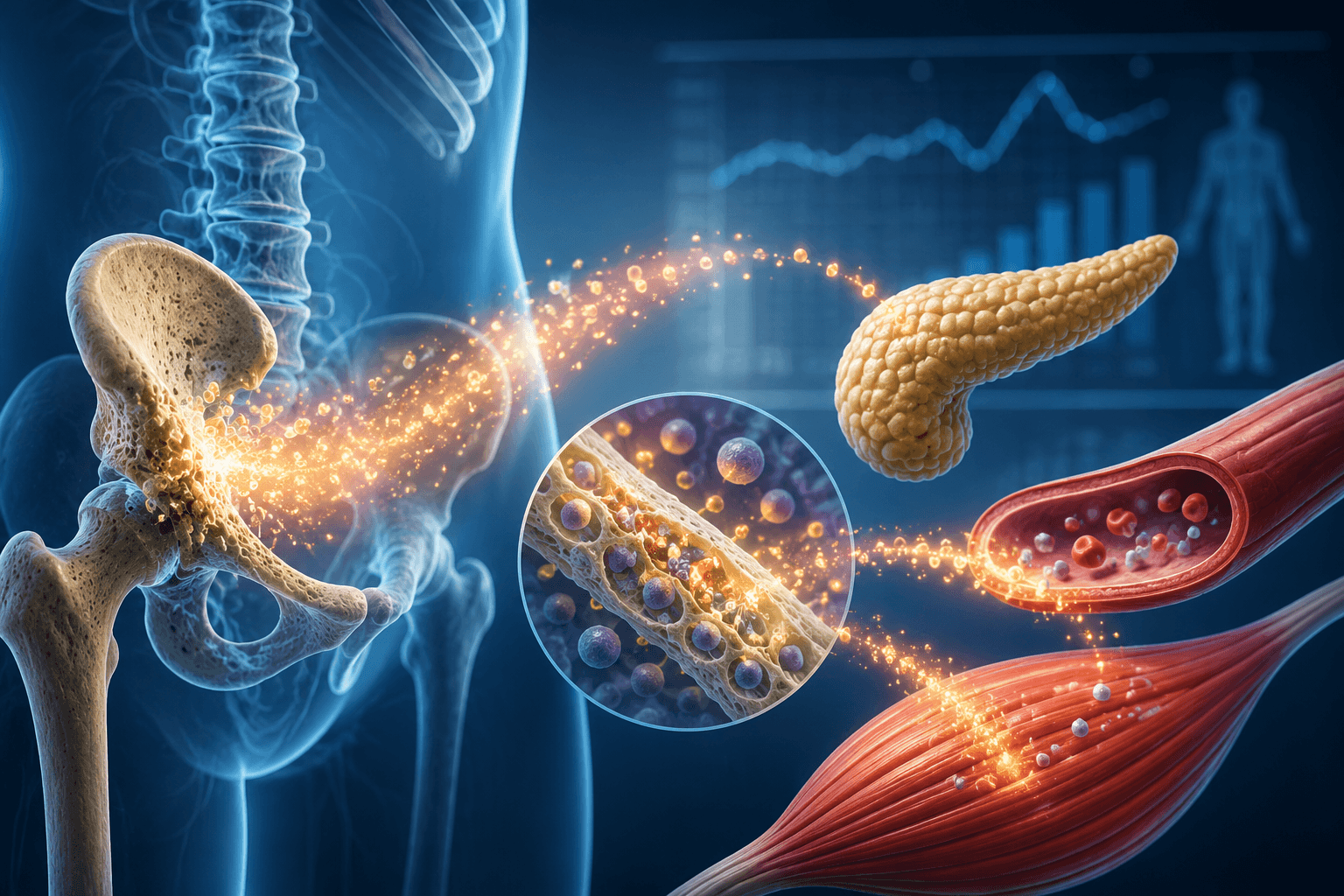
When most people think about diabetes, they picture the pancreas, insulin, or blood sugar. However, researchers are increasingly asking a different question: what if another organ has been quietly influencing glucose metabolism all along? Surprisingly, the answer may be the skeleton. For decades, bone was viewed primarily as the body’s …
Read More »
Jul 10, 2026
Articles, Diabetes, Therapies, Type 2 Diabetes, Type 2 Diabetes
3,155 views
Diabetes research has advanced rapidly over the past two decades, leading to groundbreaking medications such as GLP-1 receptor agonists, SGLT2 inhibitors, and dual incretin therapies. However, one challenge remains constant: developing new treatments through traditional clinical trials is often expensive, time-consuming, and inflexible. Could there be a better way to …
Read More »
Jul 10, 2026
Articles, Diabetes, Type 2 Diabetes, Type 2 Diabetes
1,784 views
Imagine prescribing the same diabetes medication to two patients with nearly identical A1C levels, only to see one achieve excellent glycemic control while the other experiences little benefit or troublesome side effects. This scenario is common in diabetes care and highlights an important question: could genetics explain these differences? Growing …
Read More »
Jul 9, 2026
Articles, Blood Glucose Control, Blood Glucose Control, Diabetes, Type 1 Diabetes, Type 1 Diabetes, Type 2 Diabetes, Type 2 Diabetes
2,593 views
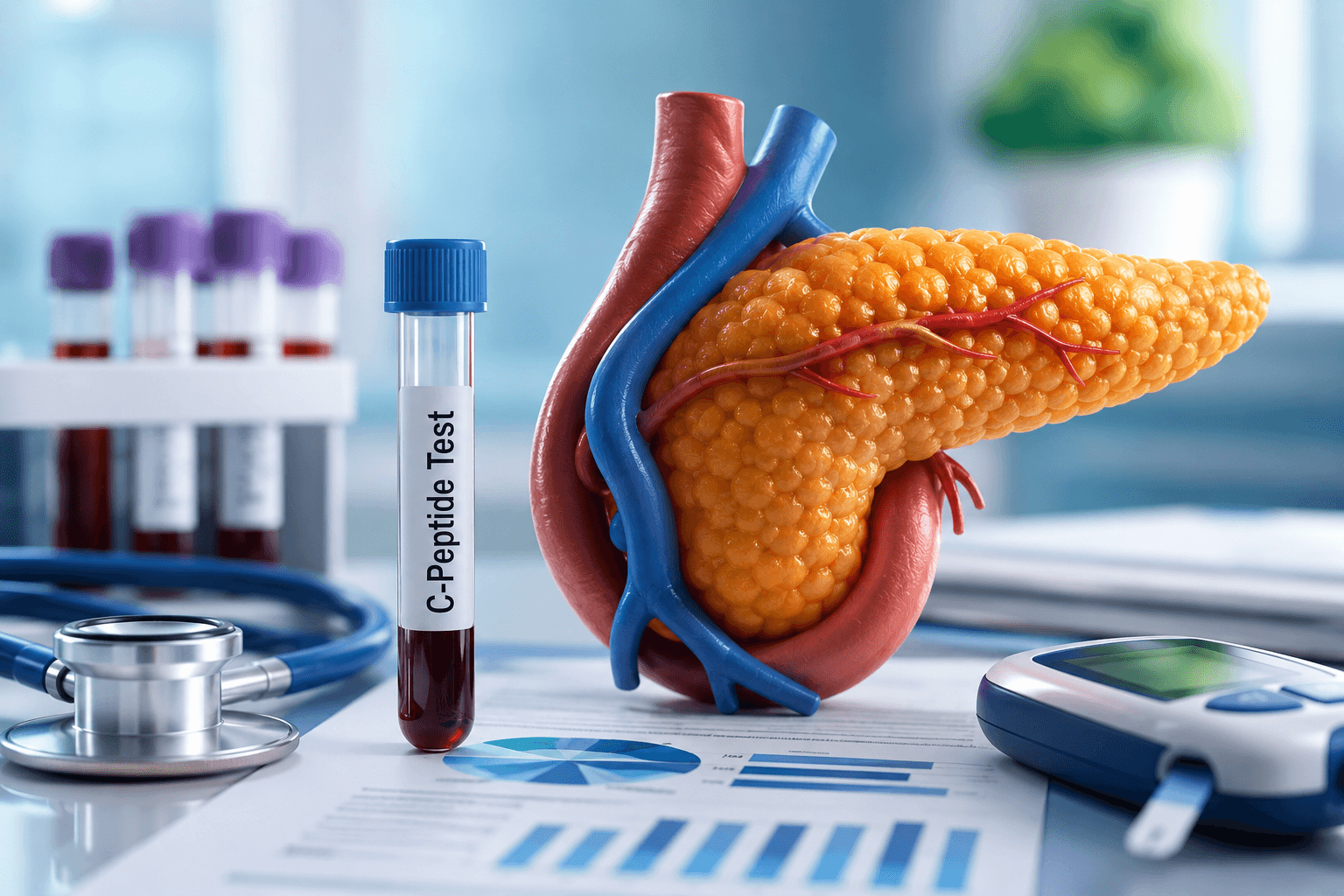
For many years, C-peptide testing was viewed as a simple tool to distinguish type 1 diabetes from type 2 diabetes. However, the story has changed. As researchers gain a better understanding of pancreatic beta-cell function, C-peptide testing in diabetes has become much more valuable than a diagnostic aid alone. Today, …
Read More »
Jul 9, 2026
Articles, Cardiology, Diabetes, Type 2 Diabetes, Type 2 Diabetes
1,932 views
Not long ago, diabetes management focused primarily on controlling blood glucose levels. Today, that approach has evolved dramatically as cardiologists and endocrinologists increasingly work together to reduce cardiovascular risk. Thanks to groundbreaking cardiovascular outcome trials (CVOTs), clinicians now understand that treating type 2 diabetes means protecting the heart, kidneys, and …
Read More »
Jul 8, 2026
Articles, Diabetes, GLP- 1 Agonist Therapy Center, Obesity, Therapies, Type 2 Diabetes, Type 2 Diabetes
3,607 views
For years, glucagon-like peptide-1 (GLP-1) receptor agonists have dominated conversations about diabetes and obesity treatment. However, another hormone is quietly returning to the spotlight. Amylin diabetes therapy is making a comeback as researchers develop a new generation of drugs designed to improve blood glucose control and support weight management. Amylin …
Read More »
Jul 3, 2026
Articles, Blood Glucose Control, Blood Glucose Control, Diabetes, Therapies, Type 2 Diabetes, Type 2 Diabetes
6,824 views
For decades, diabetes treatment has centered on medications, insulin therapy, lifestyle changes, and increasingly sophisticated medical devices. But what if a completely different approach could help regulate blood sugar without adding another drug? That intriguing question is driving research into hepatic neuromodulation for diabetes, a promising field that uses focused …
Read More »
 Diabetes In Control. A free weekly diabetes newsletter for Medical Professionals. News and information for Medical Professionals.