Jun 9, 2026
Articles, Dermatology, Diabetes, Prediabetes, Prediabetics, Prevention, Type 2 Diabetes, Type 2 Diabetes
2,943 views
The skin is often described as a window into overall health, and in patients with diabetes or prediabetes, it may provide some of the earliest visible signs of underlying metabolic dysfunction. While laboratory testing remains the cornerstone of diabetes diagnosis, clinicians who recognize key skin manifestations of diabetes can identify …
Read More »
Jun 3, 2026
Articles, Blood Glucose Control, Blood Glucose Control, Diabetes, Mental Health, Type 1 Diabetes, Type 1 Diabetes
6,369 views
Patients with type 1 diabetes already face the daily burden of balancing insulin, food intake, exercise, and glucose monitoring. However, for some individuals, insulin becomes more than a treatment tool. It becomes a method for weight control. This dangerous behavior, commonly referred to as diabulimia, involves the intentional restriction or …
Read More »
Jun 2, 2026
Articles, Blood Glucose Control, Blood Glucose Control, Diabetes, MODY/LA DA, Type 1 Diabetes, Type 1 Diabetes, Type 2 Diabetes, Type 2 Diabetes
1,534 views
Up to 10% of adults diagnosed with type 2 diabetes may actually have Latent Autoimmune Diabetes in Adults (LADA), yet many cases remain undetected for years. Because symptoms often develop slowly, LADA is frequently mistaken for traditional type 2 diabetes. However, the wrong diagnosis can delay insulin therapy, worsen glucose …
Read More »
May 14, 2026
Articles, Blood Glucose Control, Blood Glucose Control, Clinical Gems, Diabetes, Prediabetes, Prevention, Type 2 Diabetes, Type 2 Diabetes
1,262 views
Diabetes screening has improved over the last two decades, yet many patients still fall through the cracks. While clinicians often rely on traditional risk models that focus on obesity, age, family history, and sedentary lifestyle, not every patient with diabetes fits that familiar picture. As a result, many diabetes cases …
Read More »
Apr 24, 2026
Articles, Diabetes, Prevention, Therapies, Type 1 Diabetes, Type 1 Diabetes
2,075 views
Can a chronic condition like type 1 diabetes be slowed before it fully develops? Recent long-term studies suggest that preventing or delaying type 1 diabetes may be closer to reality than once believed. In fact, emerging immunotherapy data is changing how clinicians view early-stage disease and the opportunity to intervene …
Read More »
Dec 11, 2025
Articles, Blood Glucose Control, Diabetes, Obesity, Type 2 Diabetes, Type 2 Diabetes
1,333 views
In clinical practice, the link between sleep apnea diabetes screening and improved patient outcomes is becoming increasingly clear. Obstructive sleep apnea (OSA) is both a contributor to and a consequence of poor glycemic control, yet it remains under‑recognized in diabetes management. If clinicians fail to screen for sleep apnea in …
Read More »
Dec 11, 2025
Articles, Diabetes, Gastroenterology, Geriatric Medicine, Neurology, Oncology, Prevention, Type 2 Diabetes, Type 2 Diabetes
1,532 views
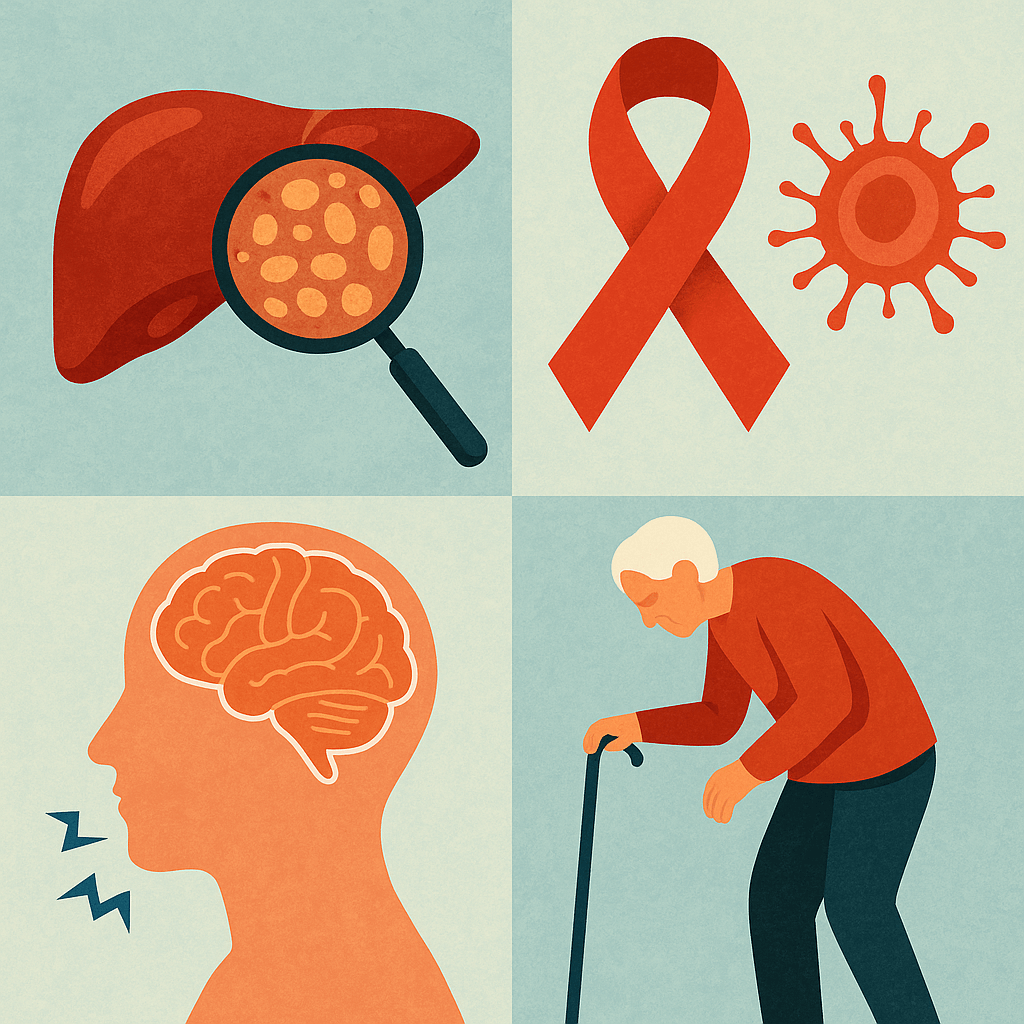
Early in training, many clinicians learn the classic “eye–kidney–foot” framework for recognizing and managing complications of diabetes. However, as science advances, the range of recognized consequences of diabetes—and opportunities for earlier intervention—continues to broaden. Today, the concept of diabetes complications screening must evolve to include conditions such as metabolic dysfunction–associated …
Read More »
 Diabetes In Control. A free weekly diabetes newsletter for Medical Professionals. News and information for Medical Professionals.