3 days ago
Articles, Blood Glucose Control, Blood Glucose Control, Cardiology, Nephrology, Safety, SGLT-2 Therapy Center, Type 1 Diabetes, Type 1 Diabetes
1,375 views
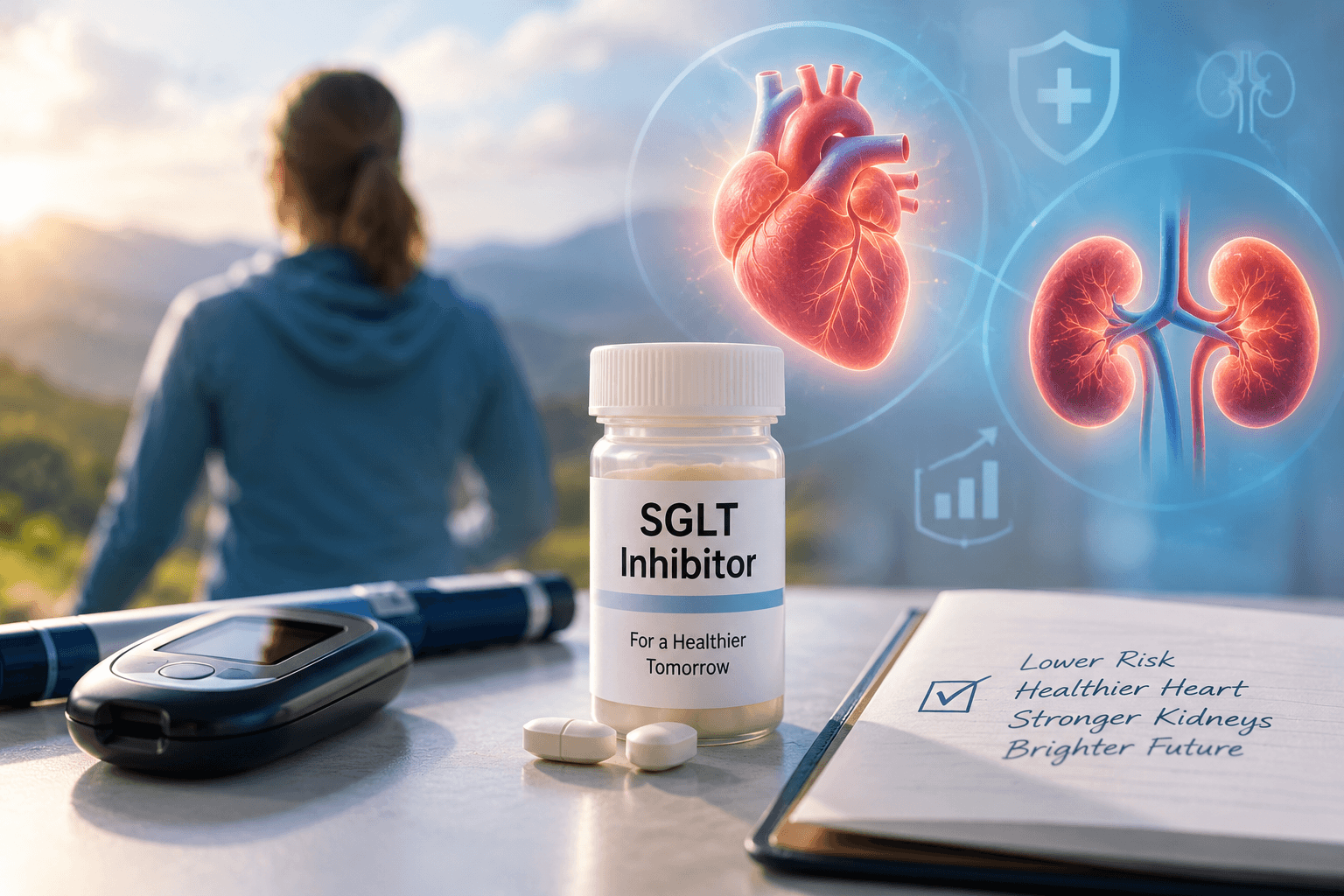
SGLT inhibitors have changed the treatment landscape for cardiovascular and kidney disease, particularly in people with type 2 diabetes, heart failure, and chronic kidney disease. That success raises an obvious question: why are SGLT inhibitors in type 1 diabetes still largely outside routine clinical practice? The answer is not a …
Read More »
4 days ago
Articles, Gastroenterology, GLP- 1 Agonist Therapy Center, GLP-1 Agonist Therapy Center, Neuropathy & Pain, Physician oriented, Safety, Type 2 Diabetes, Type 2 Diabetes
974 views
GLP-1 receptor agonists have transformed the treatment of type 2 diabetes, but their effects on gastrointestinal motility remain an important clinical consideration. Opioids can also slow gastrointestinal function, raising an obvious question: what happens when patients need both? New research examining GLP-1 and opioid interactions suggests that opioid choice may …
Read More »
2 weeks ago
Articles, Blood Glucose Control, Blood Glucose Control, DPP-4 Therapy Center, Physician oriented, SGLT-2 Therapy Center, Therapies, Type 2 Diabetes, Type 2 Diabetes
1,033 views
Precision diabetes treatment aims to answer a question clinicians and patients face every day: which diabetes drug is most likely to work best for this particular person? A new analysis from the TriMaster crossover trial offers an important clue. Researchers compared several precision-medicine strategies for predicting responses to sitagliptin, canagliflozin, …
Read More »
Aug 18, 2026
Articles, Blood Glucose Control, Blood Glucose Control, Diabetes, Safety, SGLT-2 Therapy Center
4,284 views
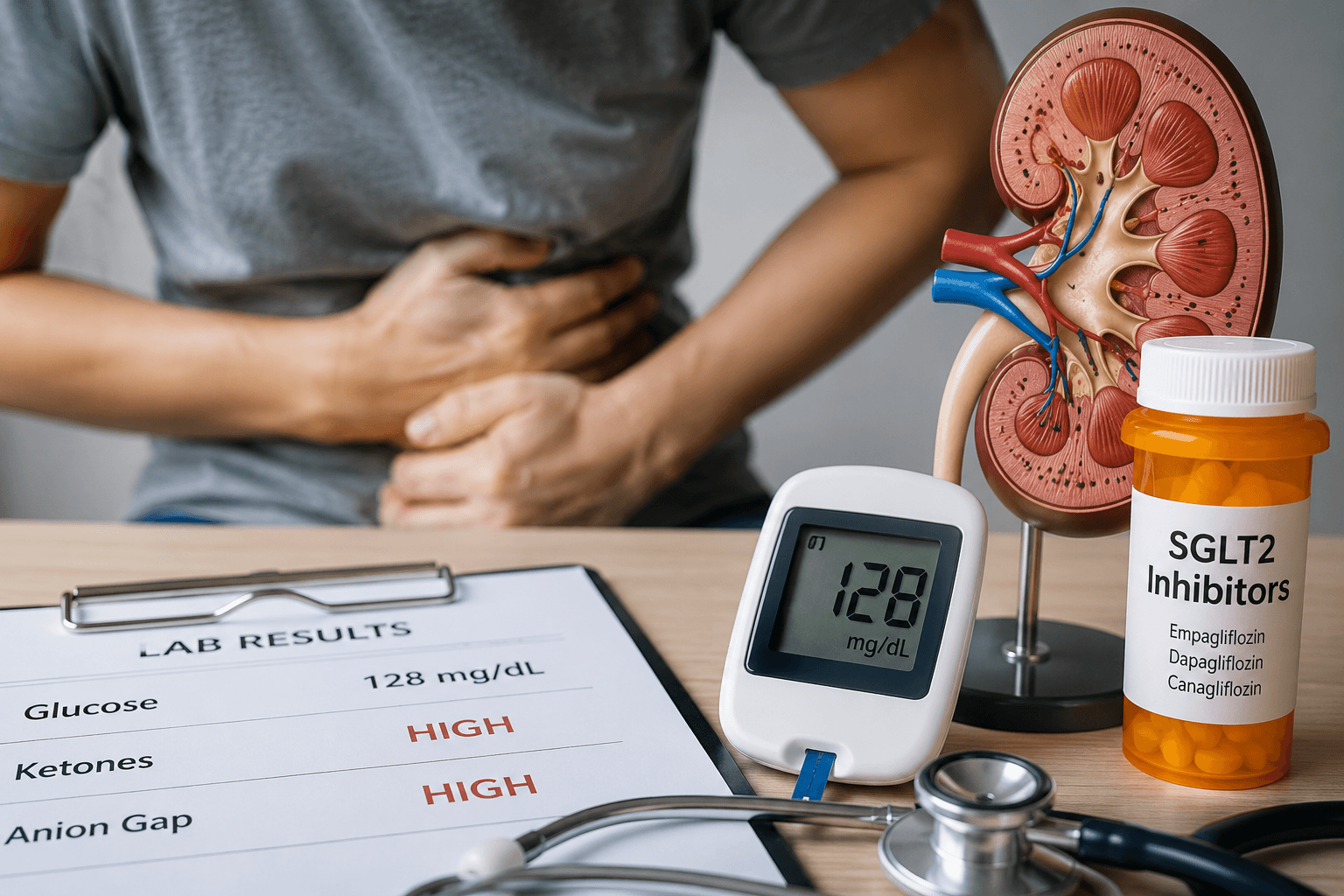
Euglycemic diabetic ketoacidosis can challenge one of the most familiar clinical shortcuts in diabetes care: DKA should come with markedly elevated glucose. In patients taking sodium-glucose cotransporter 2 (SGLT2) inhibitors, however, dangerous ketoacidosis may develop while glucose remains normal or only modestly elevated. As a result, euglycemic DKA in patients …
Read More »
Jul 30, 2026
Articles, Cardiology, Therapies, Type 2 Diabetes, Type 2 Diabetes
1,028 views
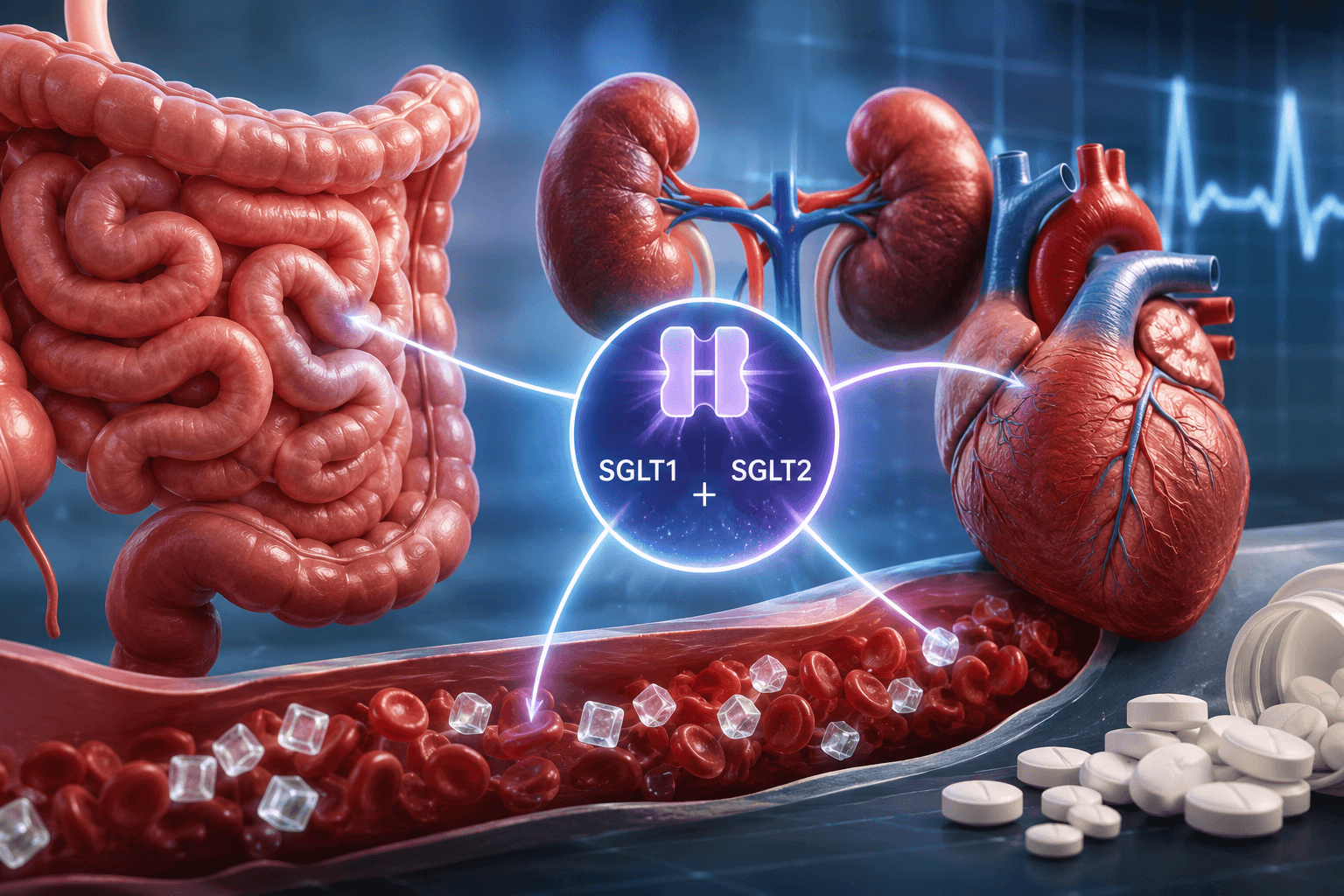
The treatment landscape for type 2 diabetes has changed dramatically over the past decade. While selective SGLT2 inhibitors have become a cornerstone of diabetes management because of their proven cardiovascular and kidney benefits, researchers are now exploring the added potential of dual SGLT1/2 inhibitor therapy for people with diabetes. By …
Read More »
Jul 17, 2026
Articles, Blood Glucose Control, Blood Glucose Control, Diabetes, News, Therapies, Type 1 Diabetes, Type 1 Diabetes, Type 2 Diabetes, Type 2 Diabetes
3,544 views
Finding the right diabetes medication often involves trial and error. One patient may respond well to a GLP-1 receptor agonist, while another sees little benefit from the same treatment. As a result, clinicians frequently adjust medications before finding the most effective option. What if doctors could test a patient’s response …
Read More »
Jul 10, 2026
Articles, Diabetes, Therapies, Type 2 Diabetes, Type 2 Diabetes
2,846 views
Diabetes research has advanced rapidly over the past two decades, leading to groundbreaking medications such as GLP-1 receptor agonists, SGLT2 inhibitors, and dual incretin therapies. However, one challenge remains constant: developing new treatments through traditional clinical trials is often expensive, time-consuming, and inflexible. Could there be a better way to …
Read More »
Jul 10, 2026
Articles, Diabetes, Type 2 Diabetes, Type 2 Diabetes
1,324 views
Imagine prescribing the same diabetes medication to two patients with nearly identical A1C levels, only to see one achieve excellent glycemic control while the other experiences little benefit or troublesome side effects. This scenario is common in diabetes care and highlights an important question: could genetics explain these differences? Growing …
Read More »
Jul 9, 2026
Articles, Cardiology, Diabetes, Type 2 Diabetes, Type 2 Diabetes
1,147 views
Not long ago, diabetes management focused primarily on controlling blood glucose levels. Today, that approach has evolved dramatically as cardiologists and endocrinologists increasingly work together to reduce cardiovascular risk. Thanks to groundbreaking cardiovascular outcome trials (CVOTs), clinicians now understand that treating type 2 diabetes means protecting the heart, kidneys, and …
Read More »
Jul 8, 2026
Articles, Diabetes, GLP- 1 Agonist Therapy Center, Obesity, Therapies, Type 2 Diabetes, Type 2 Diabetes
2,424 views
For years, glucagon-like peptide-1 (GLP-1) receptor agonists have dominated conversations about diabetes and obesity treatment. However, another hormone is quietly returning to the spotlight. Amylin diabetes therapy is making a comeback as researchers develop a new generation of drugs designed to improve blood glucose control and support weight management. Amylin …
Read More »
 Diabetes In Control. A free weekly diabetes newsletter for Medical Professionals. News and information for Medical Professionals.