4 weeks ago
Articles, Blood Glucose Control, Blood Glucose Control, Devices, Diabetes, Insulin Therapy Center
887 views
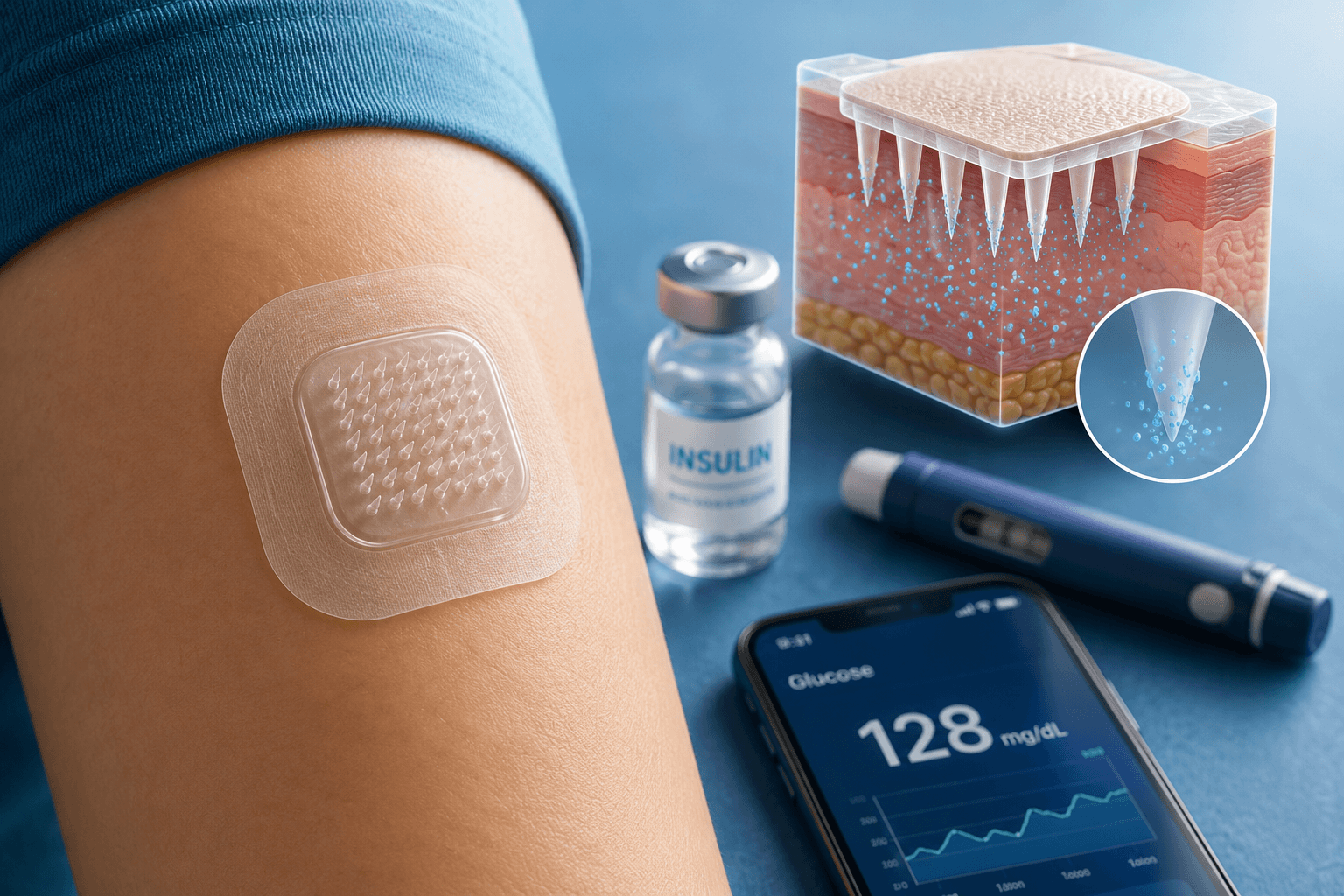
For millions of people who use injectable diabetes medications, treatment can mean living with needles every day. What if a small skin patch could eventually deliver insulin or other therapies with far less discomfort? Researchers studying microneedle patches for diabetes hope to make that possibility practical. These experimental patches use …
Read More »
Aug 18, 2026
Articles, Blood Glucose Control, Blood Glucose Control, Dermatology, Devices, Diabetes, Prevention, Safety
884 views
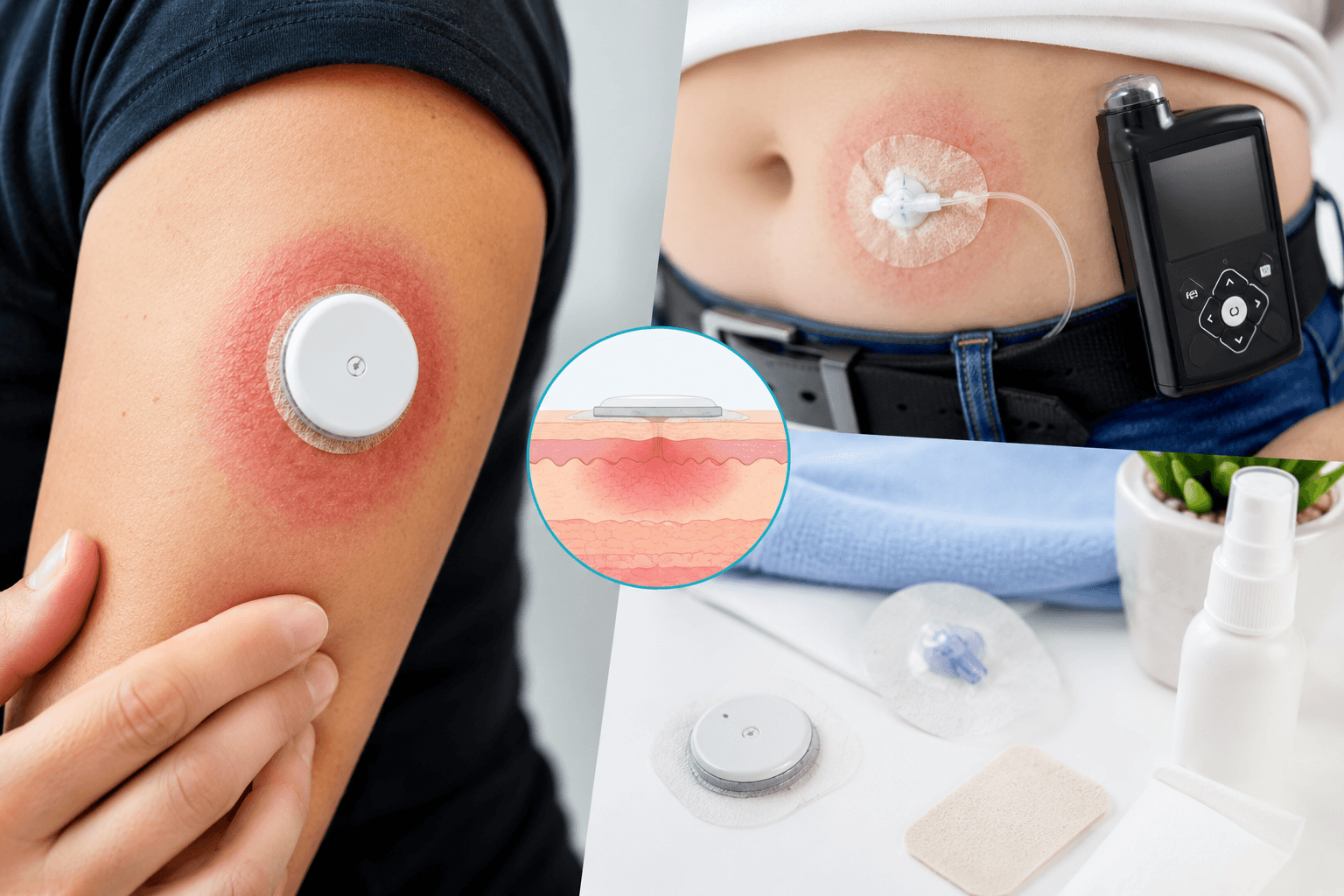
Continuous glucose monitors (CGMs) and insulin pumps can transform diabetes management, but the technology only works when patients can comfortably keep wearing it. CGM skin irritation can turn a valuable device into a daily source of itching, redness, pain, or damaged skin. In some cases, the reaction becomes severe enough …
Read More »
Aug 13, 2026
Articles, Blood Glucose Control, Blood Glucose Control, Devices, Diabetes, Insulin Therapy Center, Type 1 Diabetes, Type 1 Diabetes
1,039 views
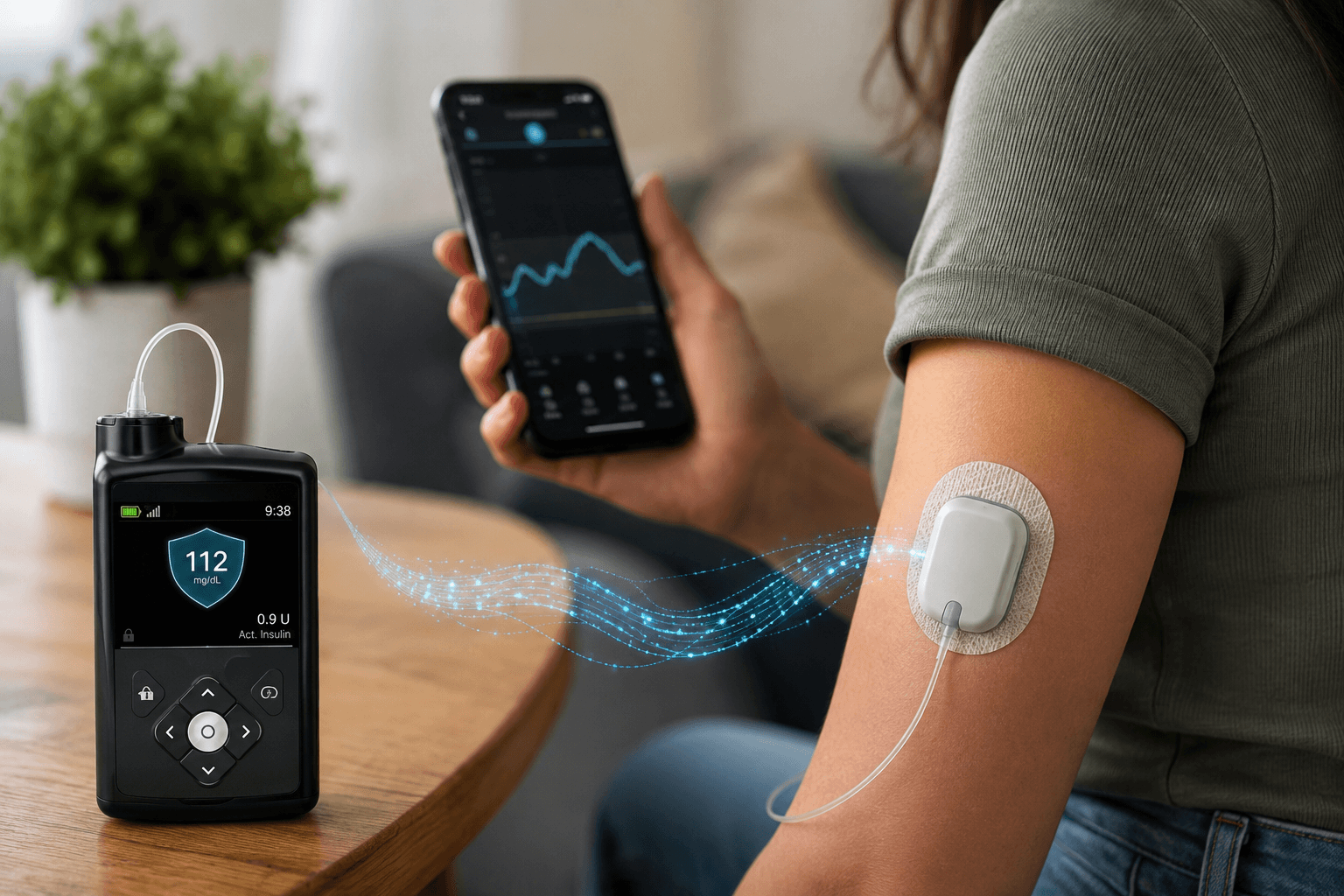
Artificial intelligence is entering diabetes care in a surprisingly quiet way. Rather than appearing as a chatbot or separate decision-support tool, increasingly sophisticated algorithms are being built into automated insulin delivery systems. Adaptive insulin pump hardware can work with continuous glucose monitor (CGM) data, recent insulin delivery, and changing glucose …
Read More »
Jul 30, 2026
Articles, Blood Glucose Control, Blood Glucose Control, Devices, Therapies, Type 1 Diabetes, Type 1 Diabetes
940 views
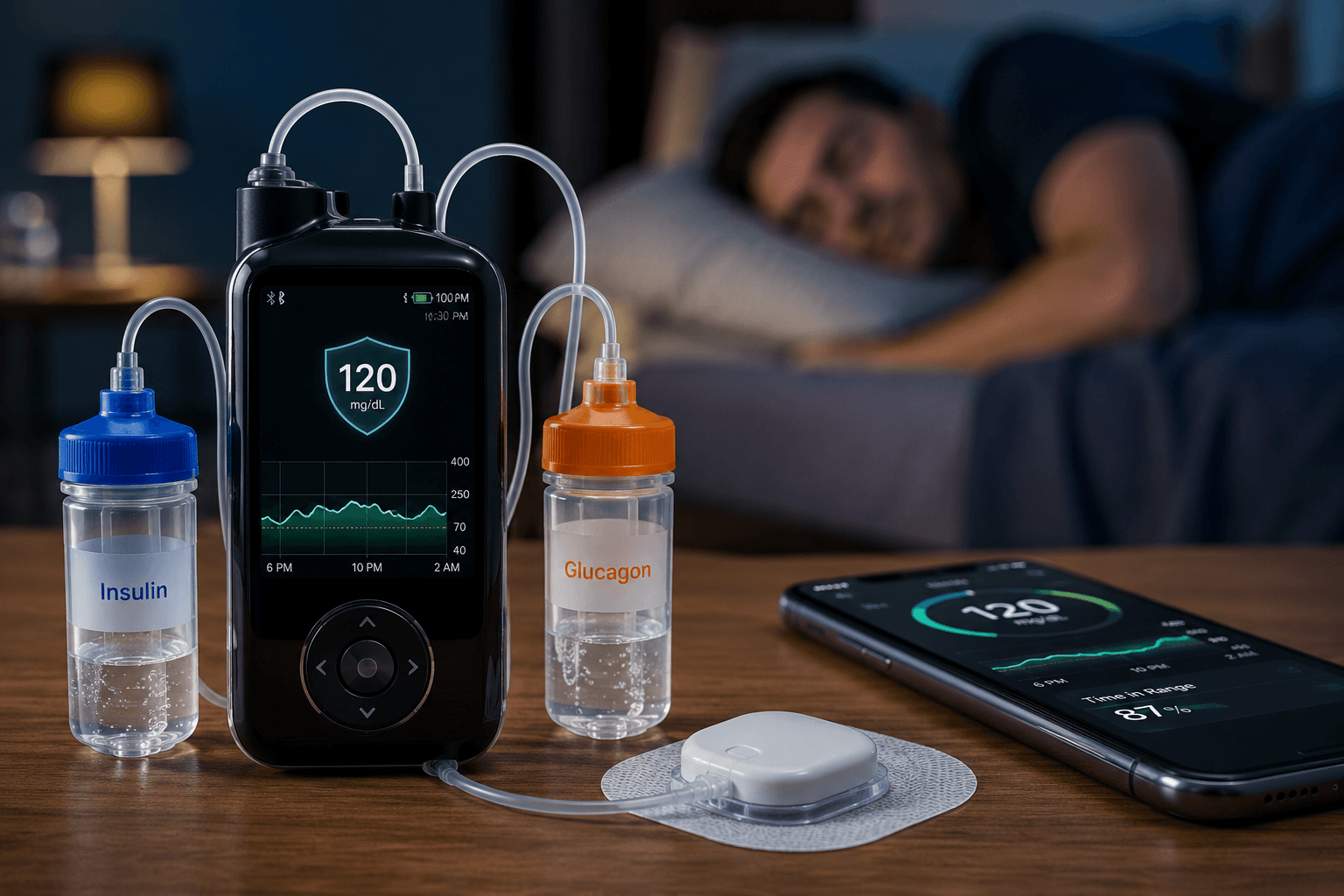
Many people with type 1 diabetes live with the constant fear of blood glucose dropping too low. Even today’s most advanced automated insulin delivery systems cannot actively raise glucose once levels begin to fall. Instead, they can only reduce or suspend insulin delivery. A dual-hormone artificial pancreas system changes that …
Read More »
Jul 15, 2026
Articles, Blood Glucose Control, Blood Glucose Control, Devices, Diabetes
1,442 views
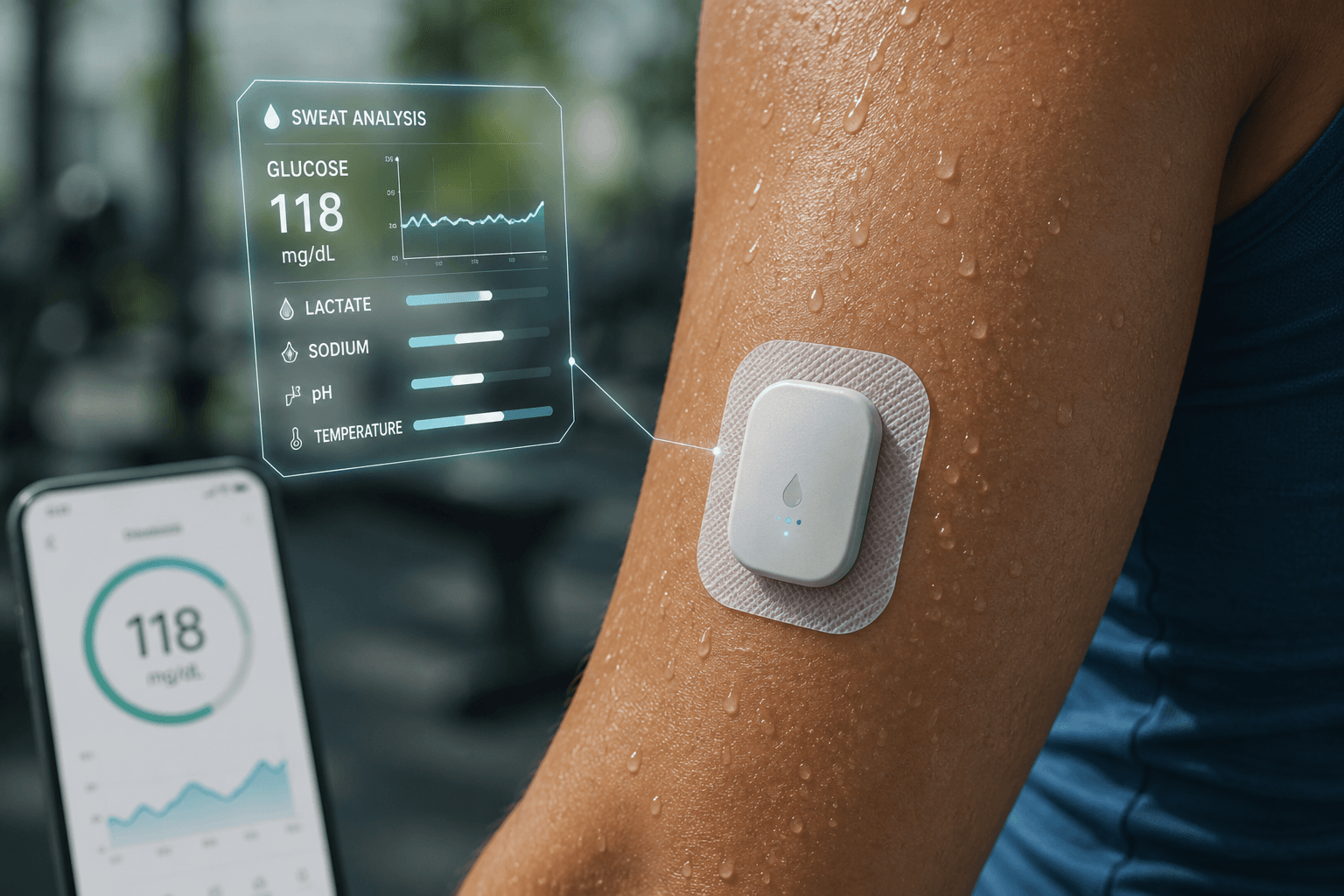
For millions of people living with diabetes, checking blood sugar remains a daily routine that often involves fingersticks or wearing a continuous glucose monitor (CGM) with a tiny sensor inserted beneath the skin. Although CGMs have dramatically improved diabetes management, many people still hope for a truly needle-free alternative. That …
Read More »
Jul 2, 2026
Articles, Devices, Diabetes, Prediabetes, Prevention, Type 2 Diabetes, Type 2 Diabetes
1,022 views
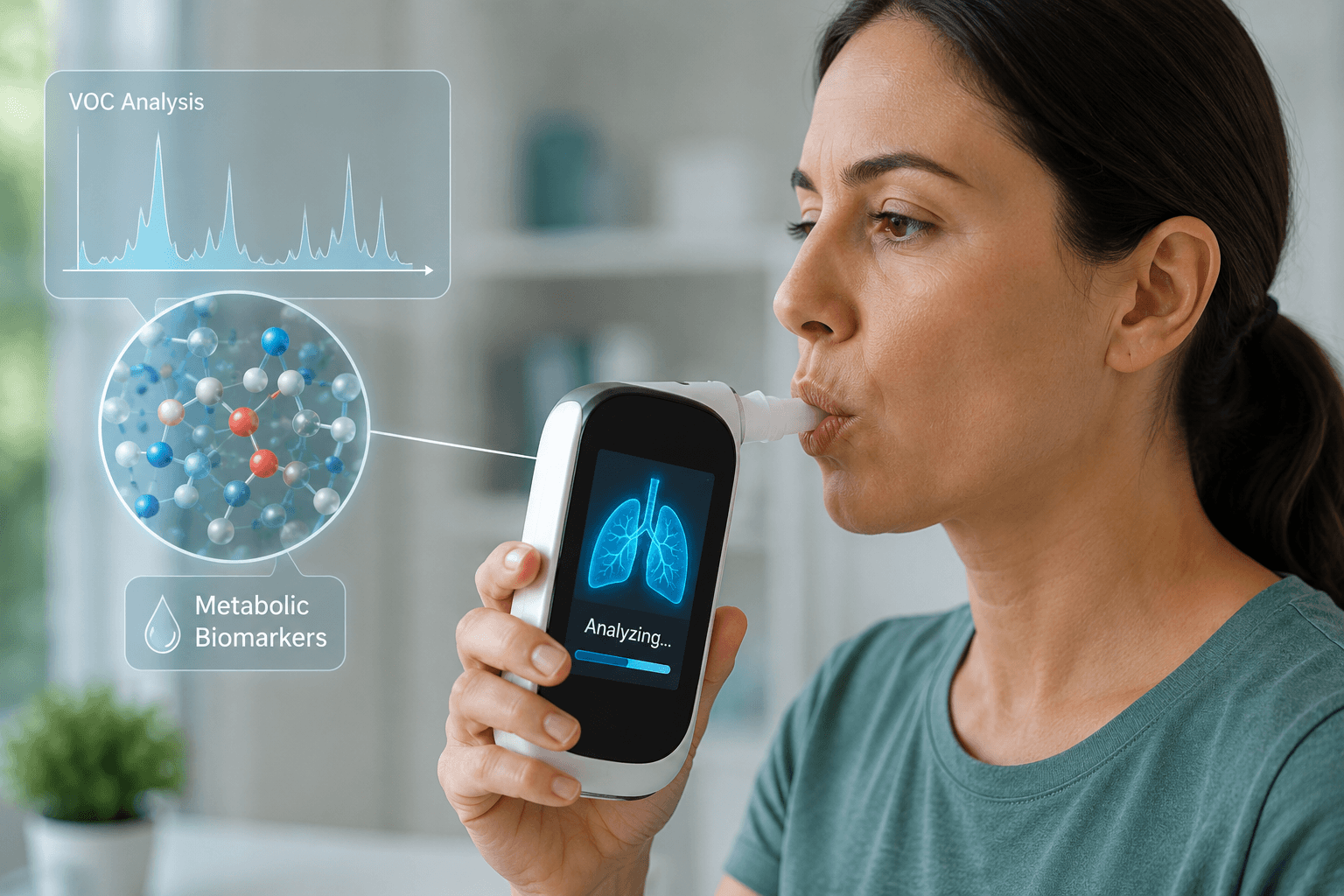
Imagine screening for diabetes as easily as breathing into a handheld device. That idea is rapidly moving from research laboratories toward clinical reality. Scientists are developing breath tests for diabetes that analyze tiny molecules in exhaled air to identify early metabolic changes long before traditional symptoms develop. Although blood glucose …
Read More »
Jul 1, 2026
Articles, Blood Glucose Control, Blood Glucose Control, Devices, Diabetes, Exercise, Physical Activity
2,477 views
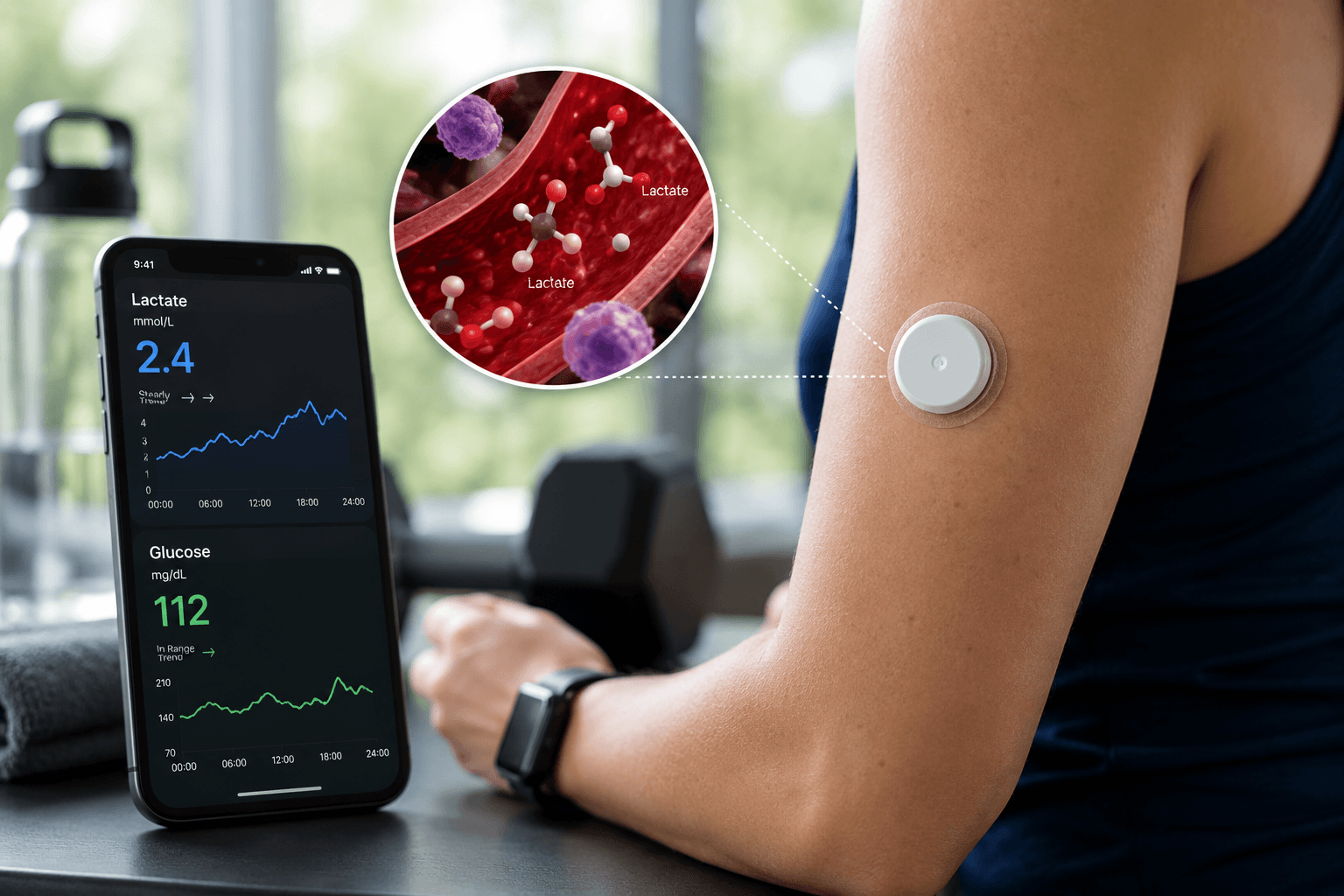
Continuous glucose monitoring (CGM) has fundamentally changed diabetes management by giving patients and clinicians access to real-time glucose data. As a result, treatment decisions have become more precise, and many people with diabetes now spend more time within their target glucose range. However, glucose represents only one part of the …
Read More »
Jun 19, 2026
Articles, Blood Glucose Control, Blood Glucose Control, Devices, Diabetes, Type 1 Diabetes, Type 1 Diabetes, Type 2 Diabetes, Type 2 Diabetes
1,042 views
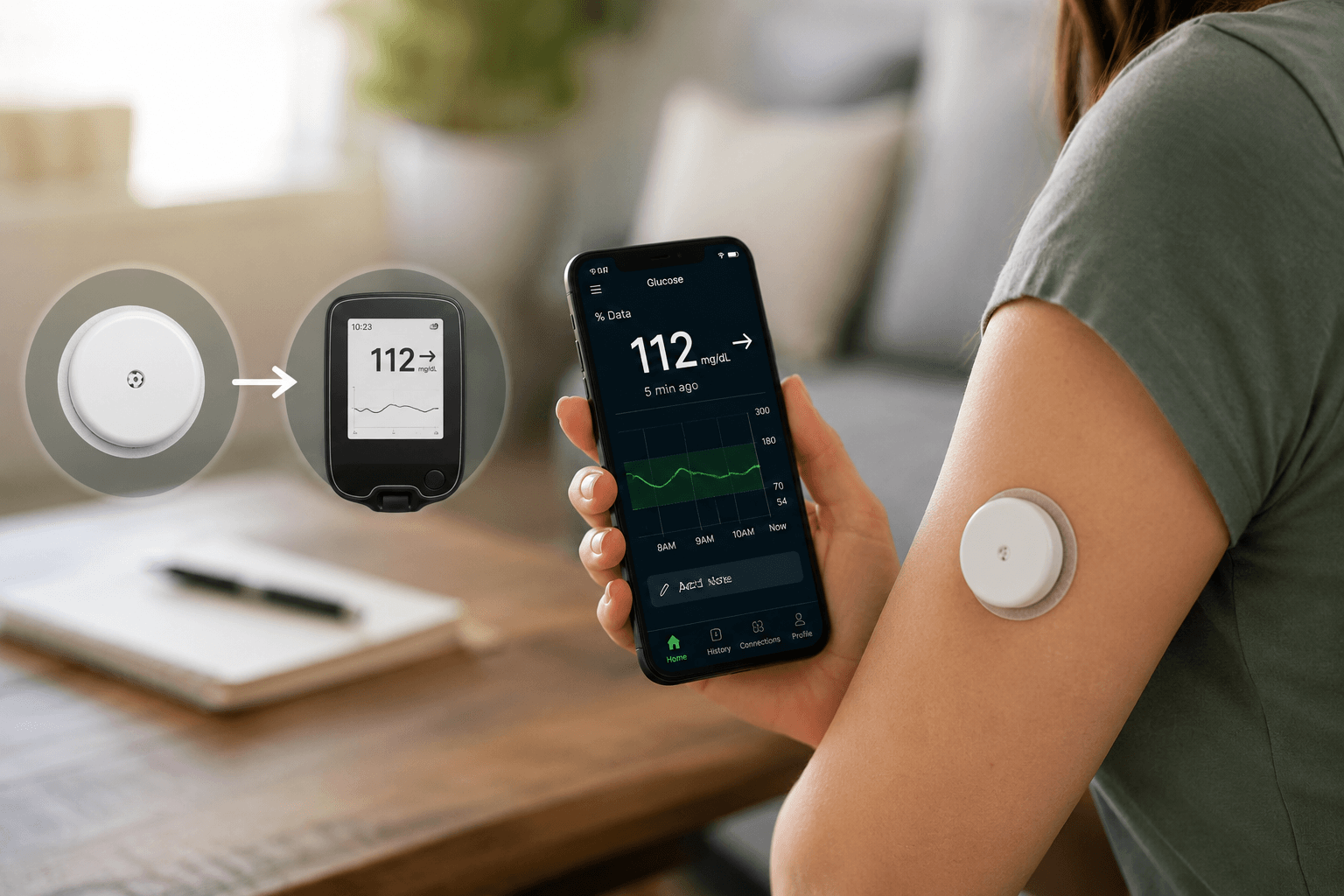
As diabetes technology continues to evolve, clinicians are increasingly faced with an important question: should patients still be using flash continuous glucose monitoring (CGM), or is it time to switch to real-time CGM? While flash CGM systems have significantly improved glucose monitoring and patient engagement over traditional fingerstick testing, real-time …
Read More »
Jun 17, 2026
Articles, Diabetes, Insulin Therapy Center, Type 1 Diabetes, Type 1 Diabetes
1,739 views
For many people living with diabetes, gaining access to an automated insulin delivery (AID) system can be life-changing. These technologies help improve glycemic outcomes, reduce hypoglycemia risk, and ease the daily burden of diabetes management. Yet despite their proven benefits, many patients continue to face lengthy delays before gaining access. …
Read More »
Jun 16, 2026
Articles, Blood Glucose Control, Blood Glucose Control, Diabetes, Type 1 Diabetes, Type 1 Diabetes, Type 2 Diabetes, Type 2 Diabetes
2,114 views
For years, hospital admission often meant disconnecting patients from their personal diabetes devices. Continuous glucose monitors (CGMs) and insulin pumps were frequently removed, even when patients had used them successfully at home. However, the 2026 American Diabetes Association (ADA) Standards of Care introduce a significant shift in how hospitals approach …
Read More »
 Diabetes In Control. A free weekly diabetes newsletter for Medical Professionals. News and information for Medical Professionals.