 Diabetes In Control. A free weekly diabetes newsletter for Medical Professionals. News and information for Medical Professionals.
What can the QBSafe trial teach us about person-centered diabetes care? Explore its findings on A1C, medication adherence, and patient priorities.
Read More »Start With the Patient, Not the A1C: What Happens When Visits Ask “What Matters Most?”

What can the QBSafe trial teach us about person-centered diabetes care? Explore its findings on A1C, medication adherence, and patient priorities.
Read More »
Discontinuation of GLP-1 therapy is becoming a growing concern in diabetes care, even though these treatments show strong clinical benefits. Why do patients stop a therapy that clearly works? In many cases, the answer lies in a mix of side effects, cost, and patient expectations. This article explores early warning …
Read More »
The risk of side effects with GLP-1 therapies varies widely among patients, yet treatment decisions often overlook this variability. Why do some patients tolerate GLP-1 receptor agonists with ease while others discontinue early? Much like how individuals respond differently to diet or exercise, medication tolerance is influenced by a mix …
Read More »
Interest in diabetes remission is growing in 2026, but is it realistic for everyone? As research evolves, clinicians are rethinking how and when to pursue remission as a treatment goal. While the idea of reversing type 2 diabetes is appealing, not every patient will benefit equally. This article explores the …
Read More »
Staying consistent with GLP-1 therapy remains one of the biggest challenges in diabetes management today. While these therapies offer strong glycemic control, meaningful weight loss, and even cardiovascular benefits, many patients stop treatment earlier than expected. Why does that happen, and what can clinicians do differently? In many ways, GLP-1 …
Read More »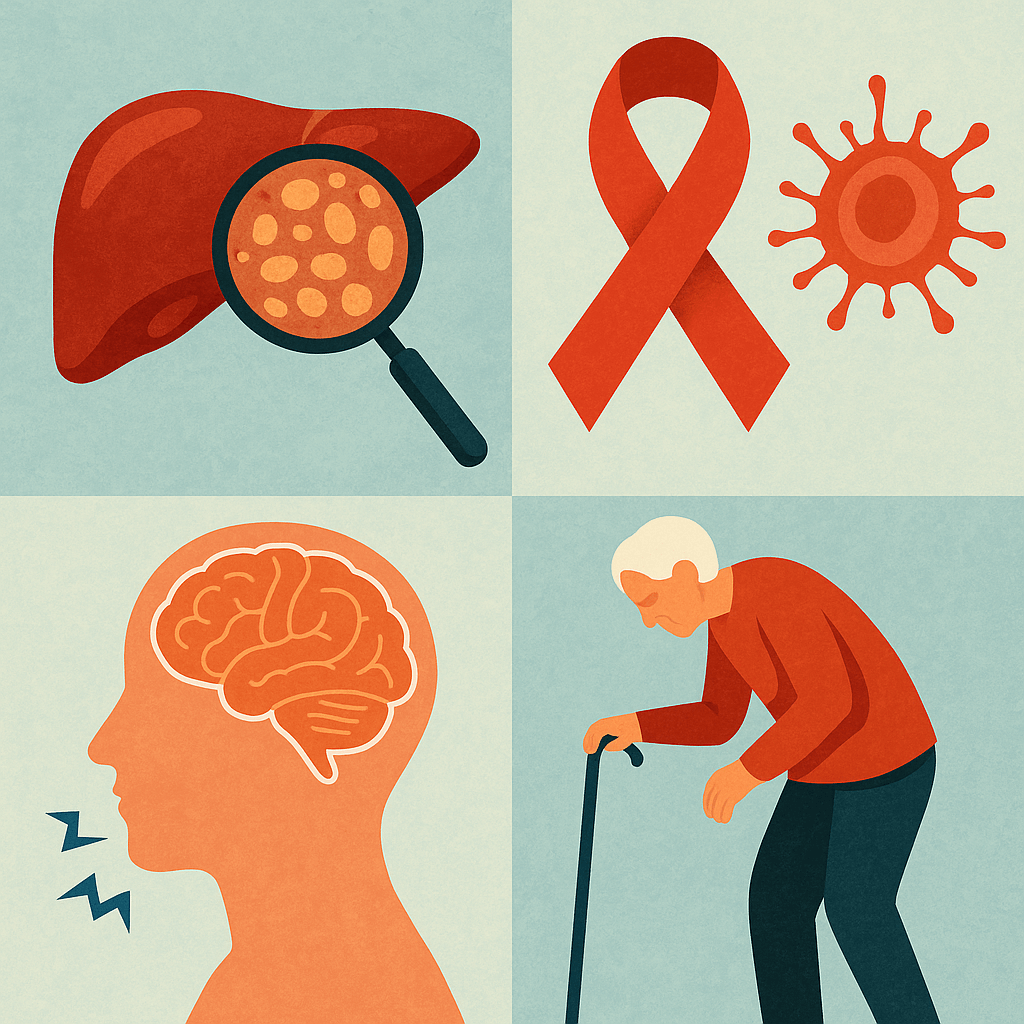
Early in training, many clinicians learn the classic “eye–kidney–foot” framework for recognizing and managing complications of diabetes. However, as science advances, the range of recognized consequences of diabetes—and opportunities for earlier intervention—continues to broaden. Today, the concept of diabetes complications screening must evolve to include conditions such as metabolic dysfunction–associated …
Read More »